
Ruto Signals Possible Double Bonus for Sugarcane Farmers in 2027
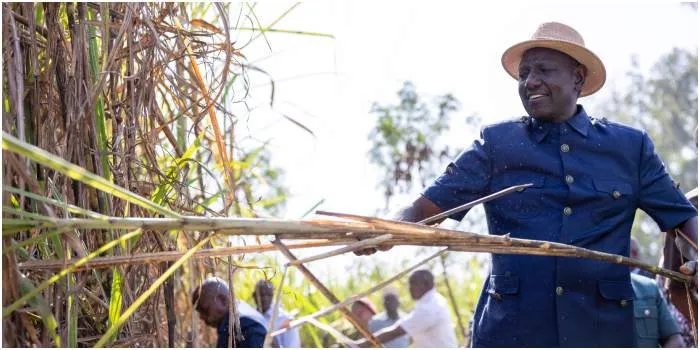
President William Ruto has suggested that sugarcane farmers could receive twice the usual bonus next year, provided current improvements in the sector continue, according to Kenyans.co.ke.
The President made the remarks on November 23, 2026, while rolling out bonus payments to sugarcane farmers in Western Kenya. The payouts follow his earlier announcement of a Ksh1.2 billion national sugar bonus package.
"Come next year, if things go as planned, there might be a double bonus for all sugarcane farmers," Ruto said.
He attributed the possibility to several factors, including better-performing factories, expected growth in output from nucleus estates and plans to cut fertiliser costs further.
Who stands to benefit
Industry estimates cited by Kenyans.co.ke put the number of smallholder sugarcane growers at about 250,000. The wider sugar sector is said to support roughly six million livelihoods.
The current bonus rollout covers farmers supplying five public factories: Nzoia, Chemelil, Muhoroni, Sony and Mumias.
Four of these, Nzoia, Chemelil, Muhoroni and Sony, had been struggling before they were leased to private operators. The leasing was part of reforms intended to revive production capacity and make the mills more efficient.
Production on the rise
Government reports indicate that all 17 operational sugar factories in the country have posted improvements. Domestic sugar production has climbed by 56.7 per cent to 690,521 tonnes, according to the figures.
The President's optimism about a larger payout next year rests largely on these gains being sustained.
Fertiliser costs
On inputs, the government has lowered the price of subsidised fertiliser from Ksh2,500 to Ksh2,000 per 50kg bag.
Commercial prices remain considerably higher and vary by type and brand. Commercial NPK fertiliser sells for between Ksh5,350 and Ksh6,700 per 50kg bag, while organic fertiliser costs between Ksh2,600 and Ksh3,500 depending on the supplier.
Push to diversify
Beyond sugarcane, Ruto urged farmers in Western Kenya to take up coffee and dairy farming to widen their income sources and reduce dependence on a single crop.
He named Kakamega, Bungoma, Busia and Trans Nzoia as counties suitable for coffee growing. The government, he said, would distribute coffee seedlings and strengthen cooperatives in the coming days.
To make the case for coffee, the President pointed to improved returns in the sub-sector. He said coffee cherry prices had risen from Ksh69 to Ksh130 per kilogram, while export earnings had doubled from Ksh26 billion to Ksh52 billion.
Sugarcane has long been the dominant cash crop in much of Western Kenya, and the sector's fortunes have a direct bearing on household incomes across the region.
The President did not give a figure for the potential double bonus, and he made clear that it depended on plans going as expected.
This story was prepared by the Hamasta Newsdesk with AI assistance, based on reporting by Kenyans.co.ke. Read the original report. Photo: Kenyans.co.ke.
Every moment, captured beautifully.
Events, corporate portraits, products and editorial shoots by our newsroom photographers.





More in Business
See all
Ruto pledges Sh1.2bn sugar bonus, 20,000 teacher jobs on Western Kenya tour
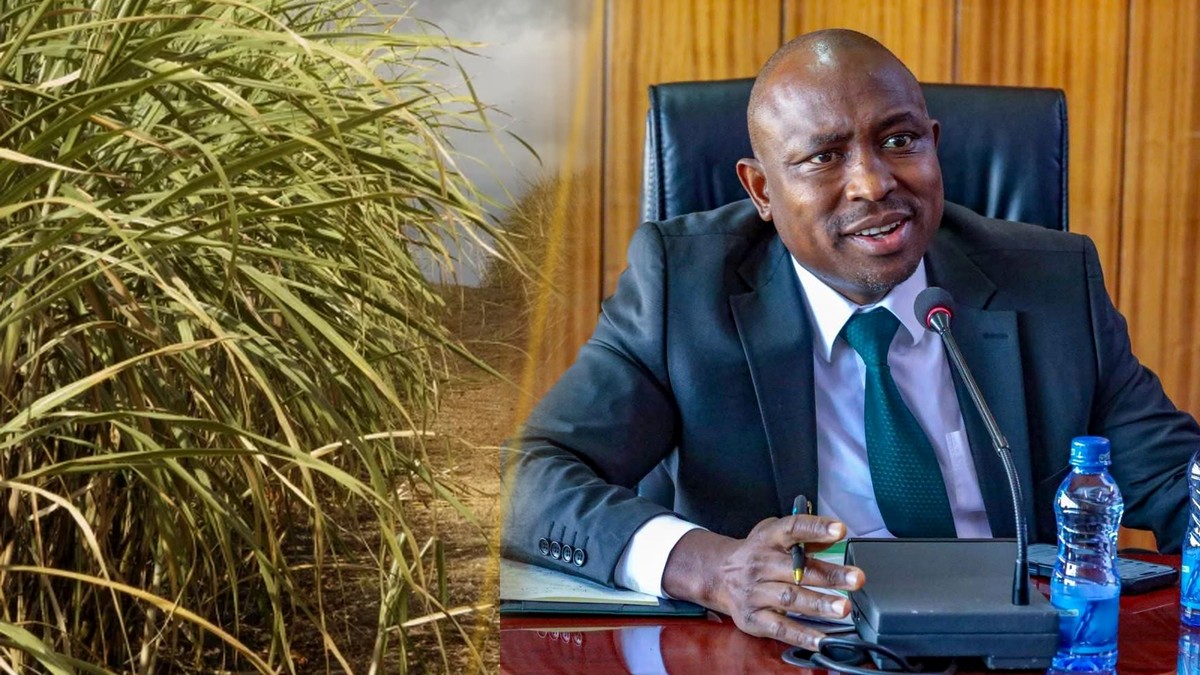
Sugarcane farmers to elect Kenya Sugar Board representatives on November 24 as final voter register is published

Ruto Resumes Western Kenya Tour in Bungoma with Nzoia Sugar Bonus Payouts

Sugarcane Farmers Threaten August 12 Protests, Demand Government Action Against Cartels
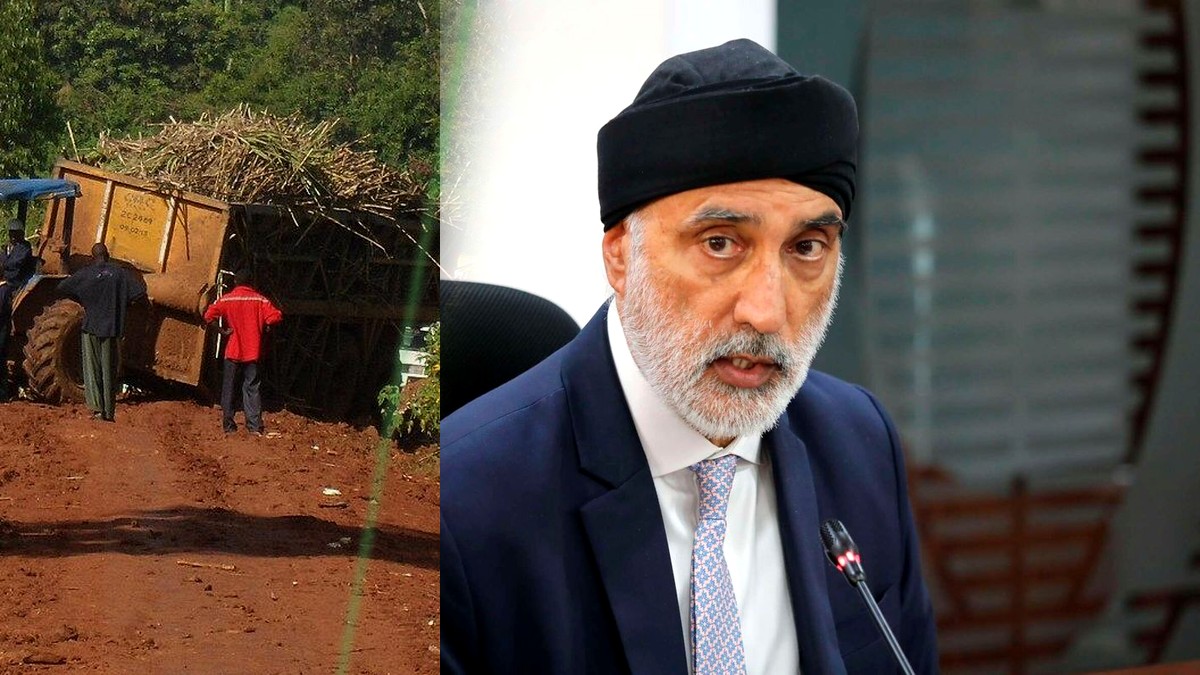
Rai's West Kenya Sugar plans Sh4.2bn factory in Nandi as North Rift becomes new cane frontier
Global Community Remarks
0