
Tajikistan begins ICC exit as US campaign against the court gathers pace
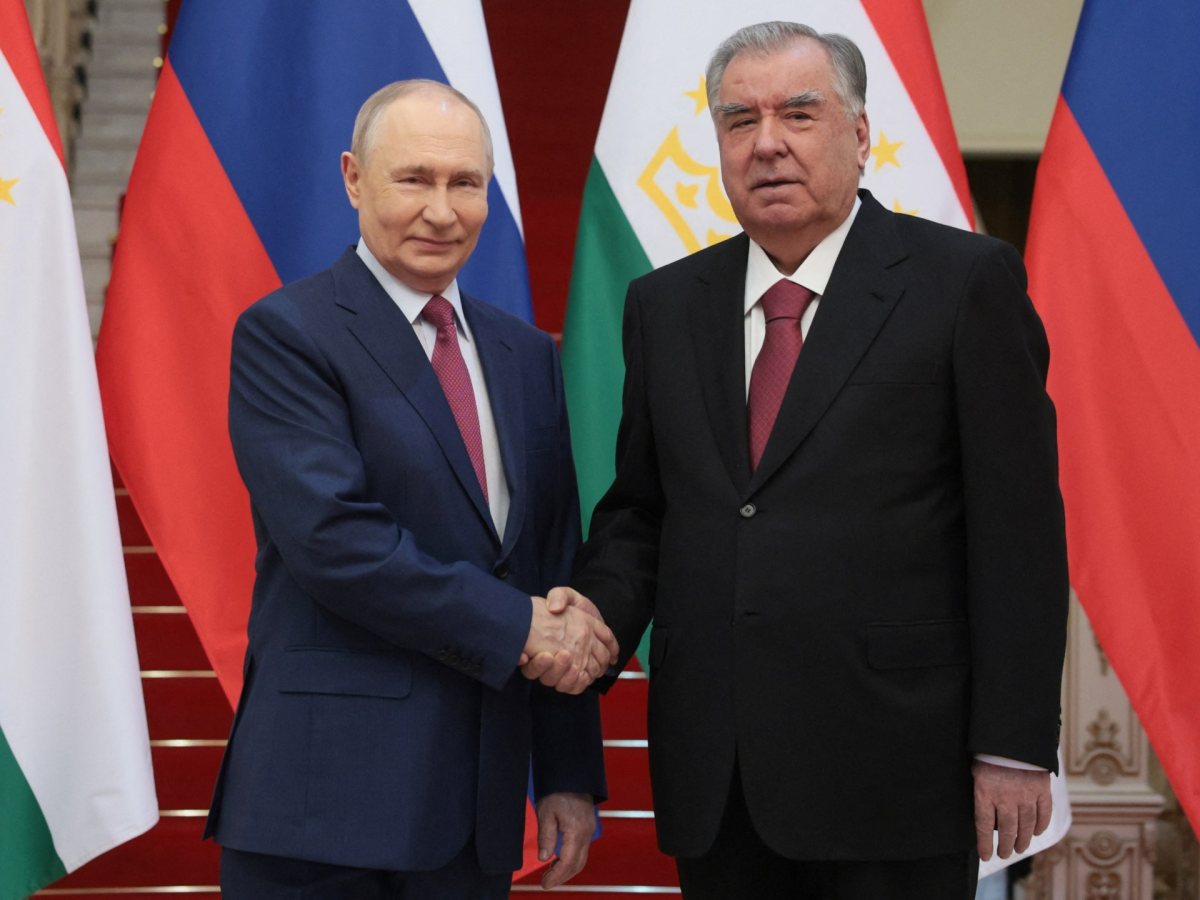
Tajikistan has formally told the United Nations that it intends to withdraw from the International Criminal Court (ICC), prompting concern from the tribunal's governing body, according to Al Jazeera.
The move makes the Central Asian state the fourth country to begin the exit process since the United States called on governments in July to abandon the court. Its departure from the Rome Statute, the founding treaty of the ICC, is scheduled to take effect on November 20, 2027.
Tajikistan follows Venezuela, Chad and the Pacific island nation of Naoero, formerly known as Nauru, in starting the withdrawal procedure since Washington's appeal.
Putin arrest dispute
The decision comes months after the court ruled against Dushanbe. In March, the ICC found that Tajikistan had not complied with its request to arrest Russian President Vladimir Putin when he visited the country in 2025, Al Jazeera reported.
Putin is wanted by the court over alleged war crimes in Ukraine. As a member state, Tajikistan was obliged to cooperate with the court's warrants.
Washington's pressure
The administration of US President Donald Trump has imposed sanctions on ICC judges and prosecutors. The measures are part of its opposition to the court's arrest warrants for Israeli officials and to an earlier ICC investigation into the conduct of American forces in Afghanistan.
In 2024, the court issued warrants for Israeli Prime Minister Benjamin Netanyahu and former Defence Minister Yoav Gallant over alleged war crimes and crimes against humanity in Gaza. Those warrants remain outstanding.
In July, the US State Department said it would seek to disable the court's operations. It described the tribunal as an enforcement arm of a "globalist bureaucracy" and accused it of threatening American sovereignty.
The United States is not a member of the ICC. Russia, China, Israel and India are also among the countries that have never joined.
Sahel states already on their way out
Separately, three West African countries, Burkina Faso, Mali and Niger, announced in 2025 that they would leave the court, branding it an instrument of "neocolonial repression". The three military-led governments formally notified the UN in June, before the US launched its campaign, with the withdrawal forming part of a joint declaration.
Including Chad, four of the seven countries with pending withdrawals are African.
What it means for the court
The ICC prosecutes individuals accused of genocide, crimes against humanity, war crimes and the crime of aggression in situations where national courts are unwilling or unable to act.
For now, the court still counts 125 member states, a figure that includes all seven countries whose withdrawals have yet to take effect, according to Al Jazeera.
Kenya, an ICC member, has long had a complicated relationship with the court following cases linked to the 2007-08 post-election violence, which later collapsed. The latest wave of withdrawals is likely to renew debate across Africa about the tribunal's role and reach.
This story was prepared by the Hamasta Newsdesk with AI assistance, based on reporting by Al Jazeera. Read the original report. Photo: Al Jazeera.





Show the impact of your work.
Impact stories, campaign videos and community engagement for NGOs and programmes.

More in International
See all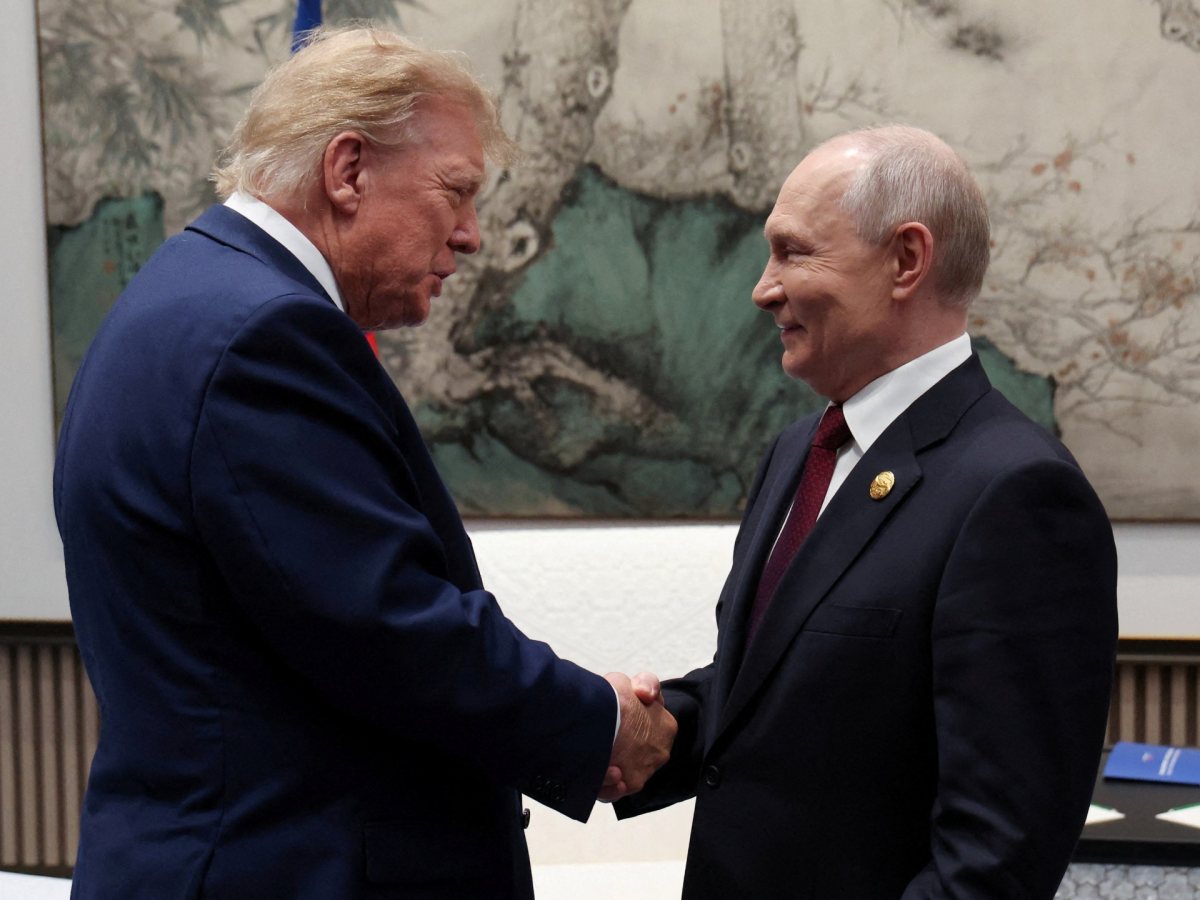
US intelligence chief defends Trump calling Putin his 'friend' after Shenzhen summit
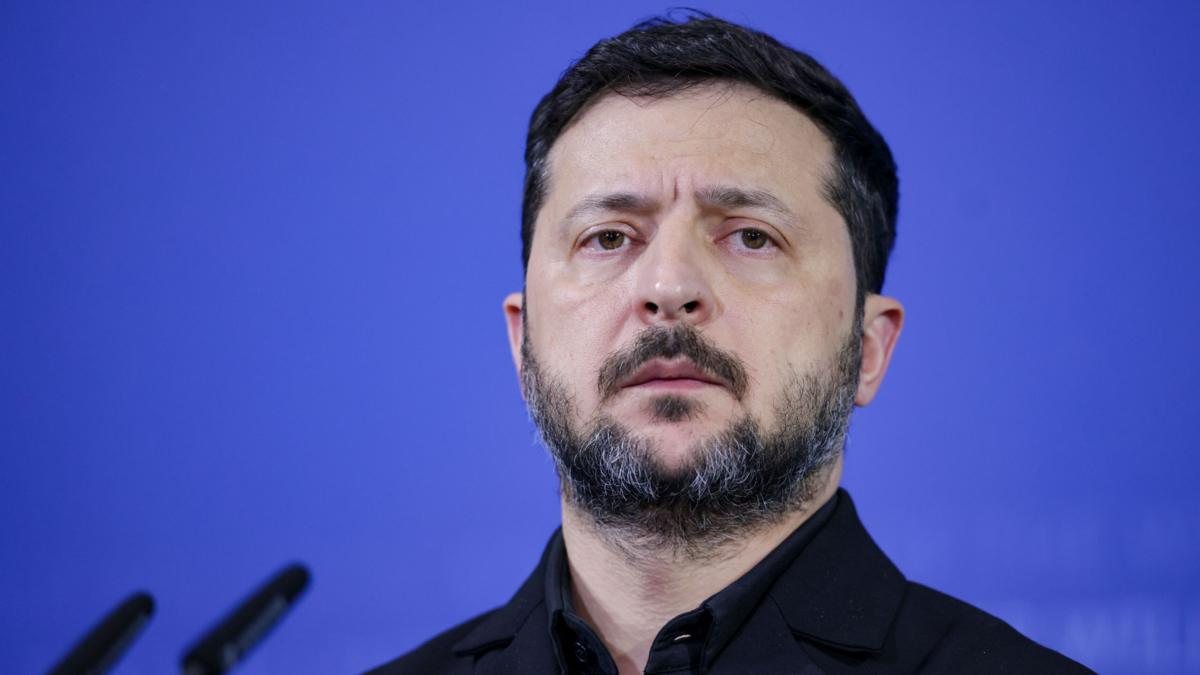
Zelensky calls Putin a 'killer' after Trump describes Russian leader as a friend
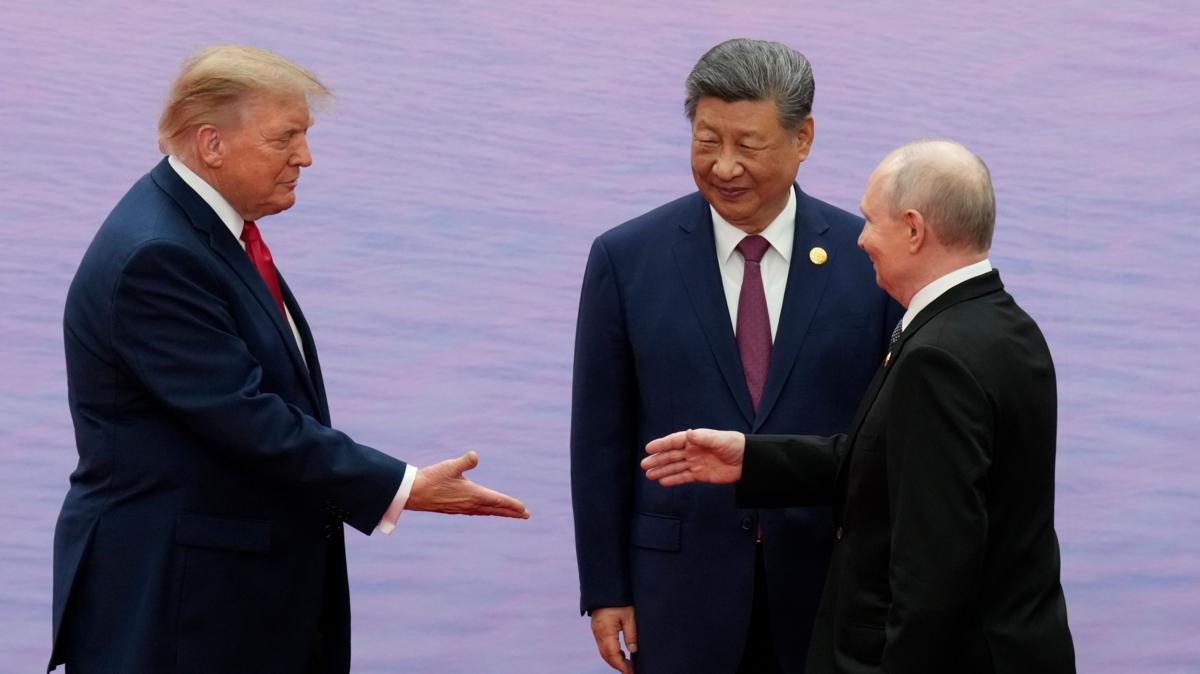
Trump, Putin and Xi issue joint peace declaration after first three-way talks
Trump greets Putin and Xi in Shenzhen ahead of first three-way summit
Putin tells African leaders Russia is no 'neo-colonial' power as Moscow summit opens, Ruto among guests

Global Community Remarks
0