
IEBC: Impeached leaders with pending appeals may still contest in 2027

Politicians facing possible disqualification because of impeachment or past convictions may still be cleared to run in the 2027 General Election if they are actively challenging those decisions, the Independent Electoral and Boundaries Commission (IEBC) has indicated.
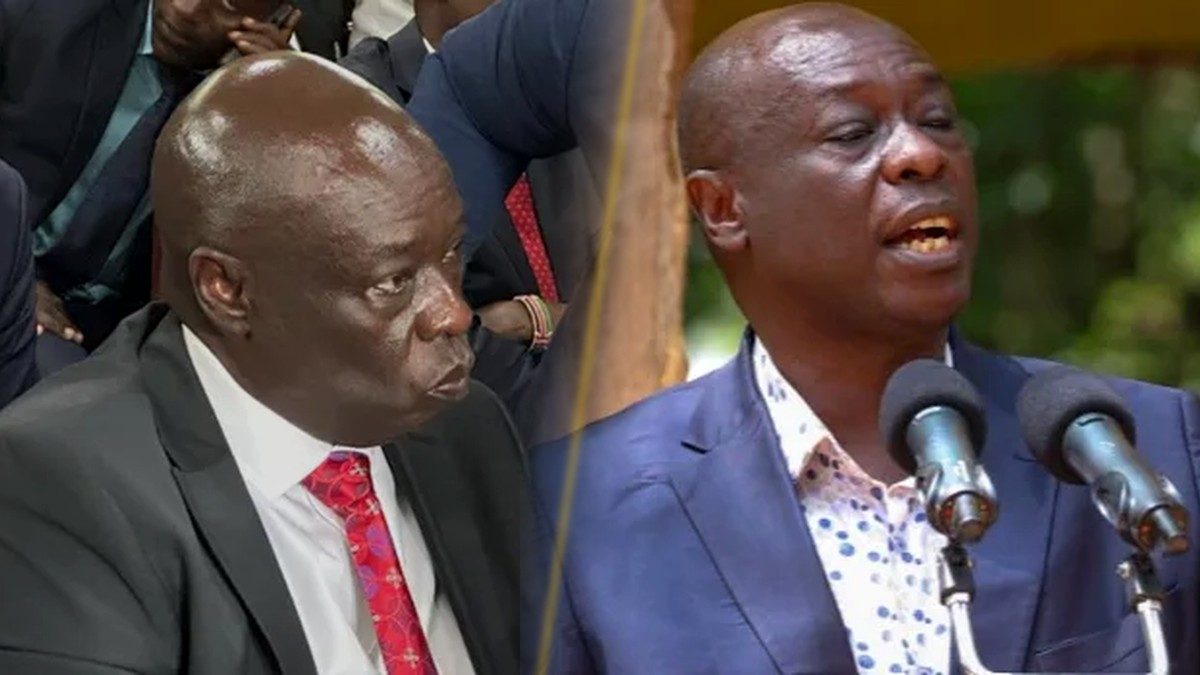
The clarification is likely to be closely watched by supporters of former Deputy President Rigathi Gachagua, whose eligibility to seek the presidency has been questioned since his removal from office in 2024.
Appeals keep the door open
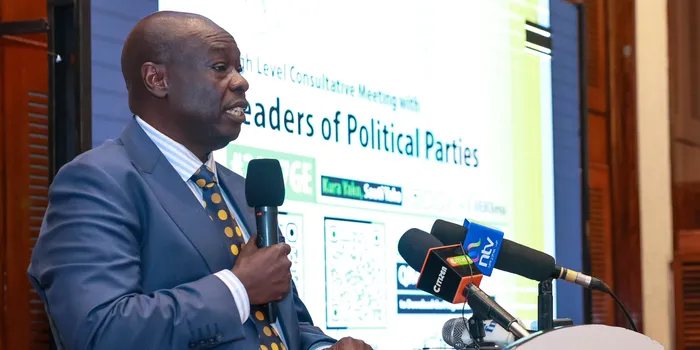
According to Tuko, IEBC Director of Legal Affairs Chrispine Owiye addressed the matter during a roundtable meeting with political journalists.
Owiye said candidates should not be automatically shut out of an election while they are contesting rulings that could affect whether they qualify to stand.
He explained that a person who has been convicted could still be eligible to run if they show that they are pursuing an appeal or seeking a review of the decision against them.
Owiye did not name Gachagua or any other politician in his remarks, Tuko reported.
Gachagua's impeachment
Questions over Gachagua's political future have persisted since October 17, 2024, when the Senate voted to remove him from office. Senators upheld five of the 11 charges brought against him during the impeachment trial.
The charges included gross violation of the Constitution, undermining devolution and misconduct.
His removal came after a bitter fallout with President William Ruto. Gachagua has since declared that he will challenge his former boss in the 2027 presidential race.
The former deputy president has launched the Democracy for Citizens Party (DCP) and has been working to build a political movement ahead of the polls. He has consistently argued that his impeachment does not bar him from running for the country's top seat.
Gachagua has also called on opposition leaders to rally behind a single presidential candidate, positioning himself as the best-placed figure to take on Ruto. He has cited his experience, his mobilisation networks and his knowledge of how government works.
The Sonko precedent
The commission's position could revive debate over other politicians who have previously been blocked from elections after being impeached.
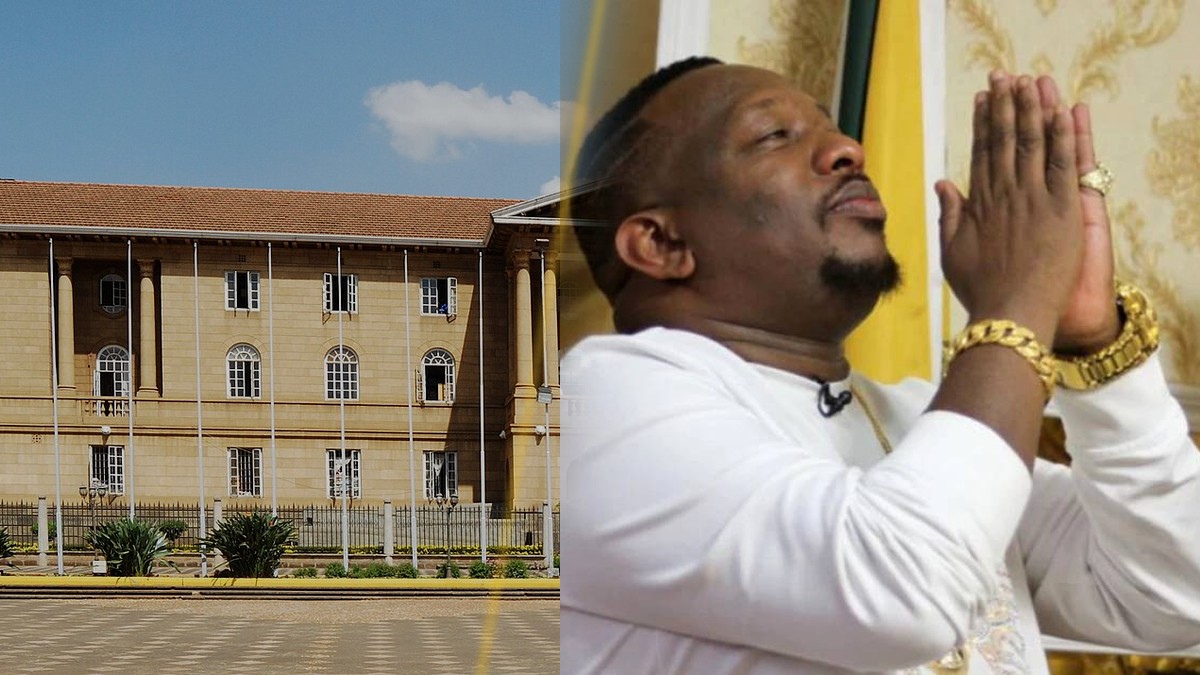
Former Nairobi Governor Mike Sonko offers a notable example. He was impeached in December 2020 and later sought to run for Mombasa governor in the 2022 General Election.
A court initially allowed his candidacy to proceed while his appeal against the impeachment was still pending. However, the Supreme Court dismissed his appeal on July 15, 2022, upholding his removal from office and effectively ending his bid.
The Sonko case illustrates that while a pending appeal may allow a candidate to proceed for a time, the final outcome of the legal process can still determine whether they ultimately appear on the ballot.
What it means for 2027
The IEBC's stance suggests that the status of any ongoing legal challenges will be central to determining who qualifies to run in 2027.
For impeached or convicted politicians seeking a return to office, keeping appeals or review applications active could prove decisive when the commission vets nominations ahead of the polls.
This story was prepared by the Hamasta Newsdesk with AI assistance, based on reporting by Tuko. Read the original report. Photo: Tuko.


Take your event live to thousands.
Multi-camera live streams, panel discussions and digital broadcasts with professional crews.




More in Politics
See all
Gachagua warns IEBC of mass protests over 2027 election, cites ID and registration gaps
'Overtaken by time': Gachagua drops High Court fight against his impeachment and bets on the Court of Appeal
Gachagua gives IEBC January deadline, threatens to mobilise Kenyans to its offices

Ruto allies give Registrar 14 days to rule on whether impeached Gachagua can hold DCP party office

Gachagua tells UN official IEBC has lost public trust ahead of 2027 polls
Global Community Remarks
0