
Asian stocks plunge as doubts over AI boom trigger tech sell-off
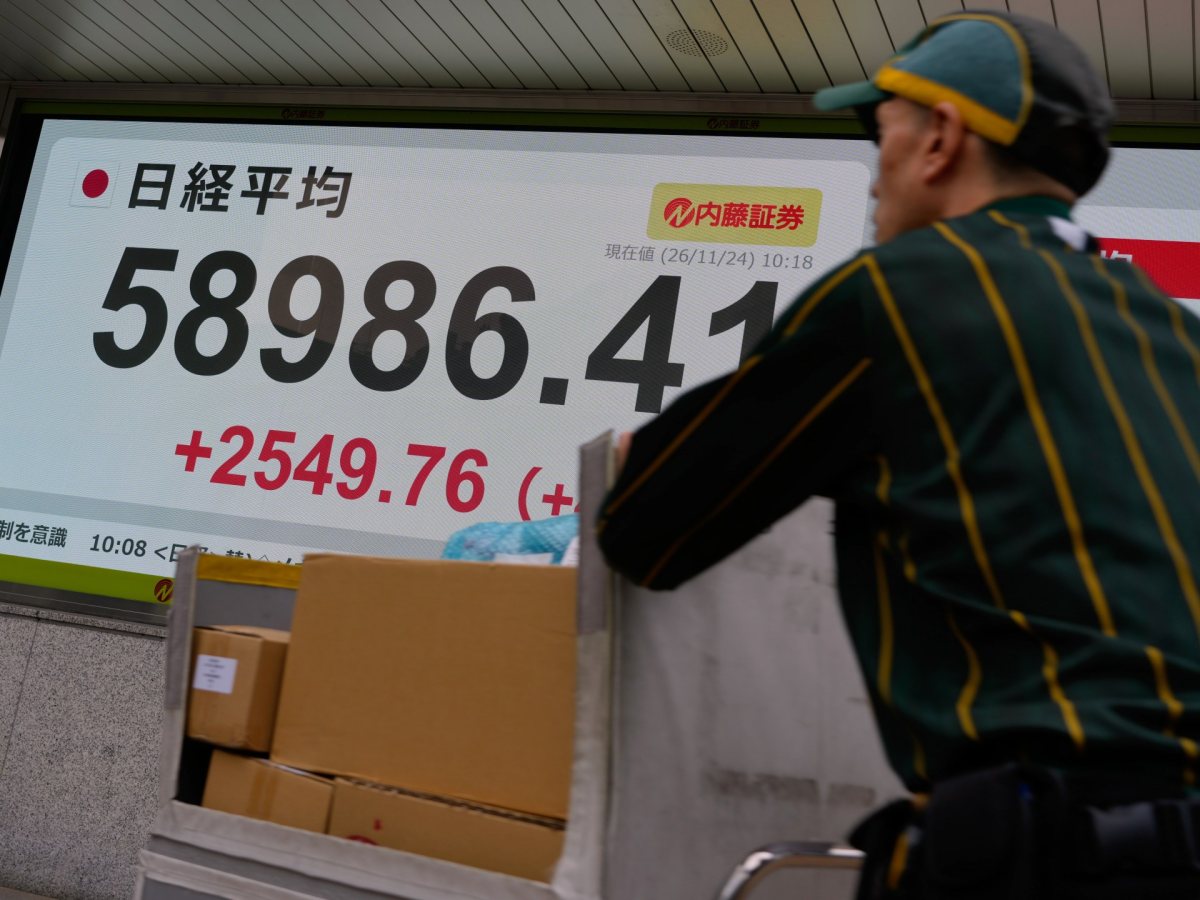
Stock markets across Asia fell sharply as investors sold off technology shares amid growing doubts over the artificial intelligence boom, according to Al Jazeera.
The losses reversed a rally that followed Jensen Huang's return as chief executive of US chip giant Nvidia, with markets in Taiwan, South Korea and Japan bearing the brunt of the latest tech-led retreat.
Taiwan leads the slide
Taiwan's benchmark Taiex index led the decline, dropping as much as 7.9 percent during morning trading. South Korea's Kospi shed more than 6 percent, while Japan's Nikkei 225 lost 3.6 percent.
Hong Kong was the exception in the region. Its Hang Seng Index moved against the trend, climbing as much as 1.3 percent.
Chipmakers hit hardest
Companies tied to the AI trade recorded some of the heaviest losses, Al Jazeera reported.
- In Japan, semiconductor equipment maker Tokyo Electron fell 13.5 percent, while chip testing equipment producer Advantest dropped 14.5 percent.
- In South Korea, Samsung Electronics and SK Hynix, the world's two largest memory chip makers, lost 9.1 percent and 9.9 percent respectively.
- In Taiwan, TSMC, the biggest contract chipmaker in the world, and Apple supplier Foxconn each fell by more than 9 percent.
Rally fades after Nvidia drama
The sell-off came a day after Asian markets surged on Tuesday on news of Huang's unexpected reinstatement at Nvidia, which Al Jazeera said followed an intervention by US President Donald Trump.
Huang had stepped down amid claims that he was romantically involved with a woman suspected of working with Chinese intelligence, according to the report. His reappointment on Monday sent Nvidia's New York-listed shares up 31.5 percent, which Al Jazeera described as the largest single-day gain in US stock market history.
The enthusiasm did not last on Wall Street either. After Monday's buying spree, the S&P 500 slipped 0.5 percent on Tuesday and the Nasdaq Composite fell 1.5 percent.
Regulation fears and bubble worries
Markets have swung wildly over the past month, driven by the Nvidia scandal and expectations that Democrats will push for tighter regulation of AI after their sweeping wins in the US midterm elections, Al Jazeera reported.
These pressures have deepened existing concerns over whether technology companies can keep up the multi-trillion-dollar spending that underpins the AI boom.
Big Tech's heavy, debt-funded investment in AI has sparked fierce debate over whether the sector is building a future gold mine or inflating a huge stock market bubble.
Technology research firm Gartner forecasts that global AI-related investment will reach $2.7 trillion this year and rise to $3.6 trillion in 2027, according to the report.
For investors far from Asia's trading floors, the swings in chip stocks are a reminder of how closely global markets now track sentiment around AI, with a handful of companies capable of moving entire indices in a single session.
This story was prepared by the Hamasta Newsdesk with AI assistance, based on reporting by Al Jazeera. Read the original report. Photo: Al Jazeera.





Show the impact of your work.
Impact stories, campaign videos and community engagement for NGOs and programmes.

More in Business
See all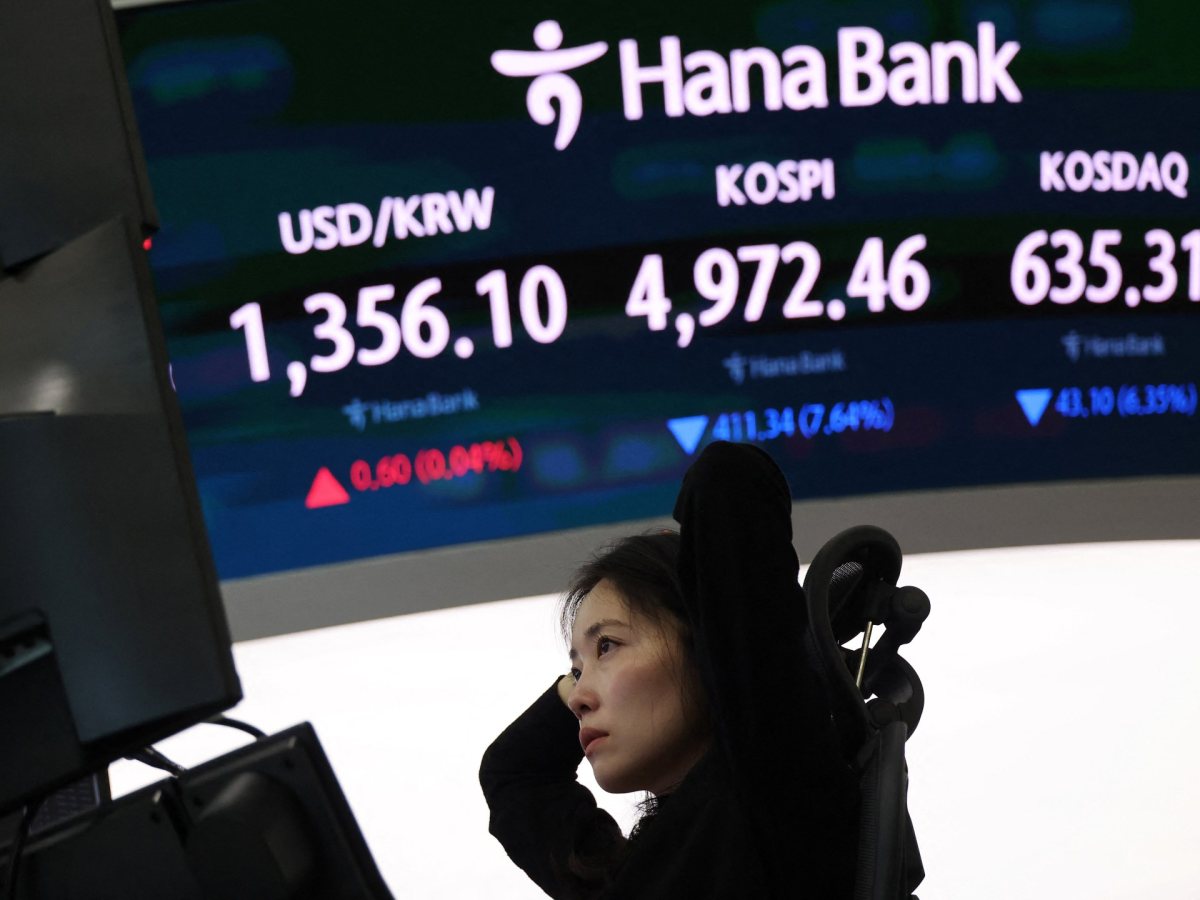
South Korea's Kospi slides at open as AI bubble fears rattle Asian markets

Asian stocks tumble as Anthropic's record debut fails to calm AI bubble fears
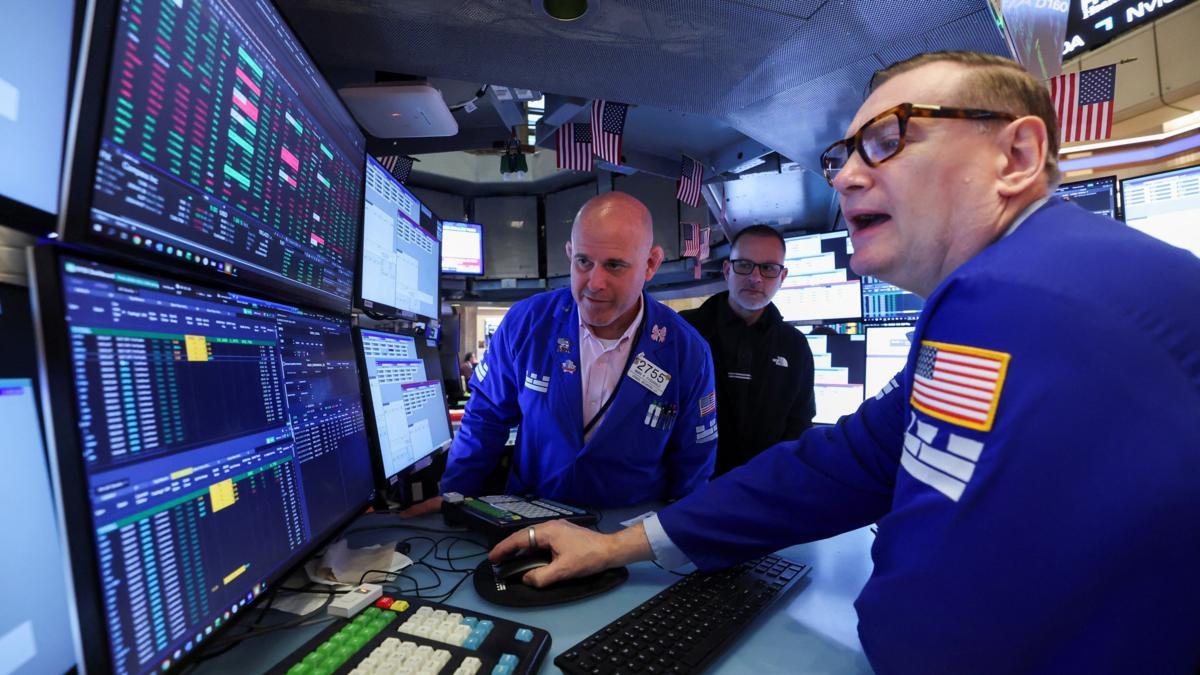
Nvidia shares jump 30% as Jensen Huang returns as chief executive
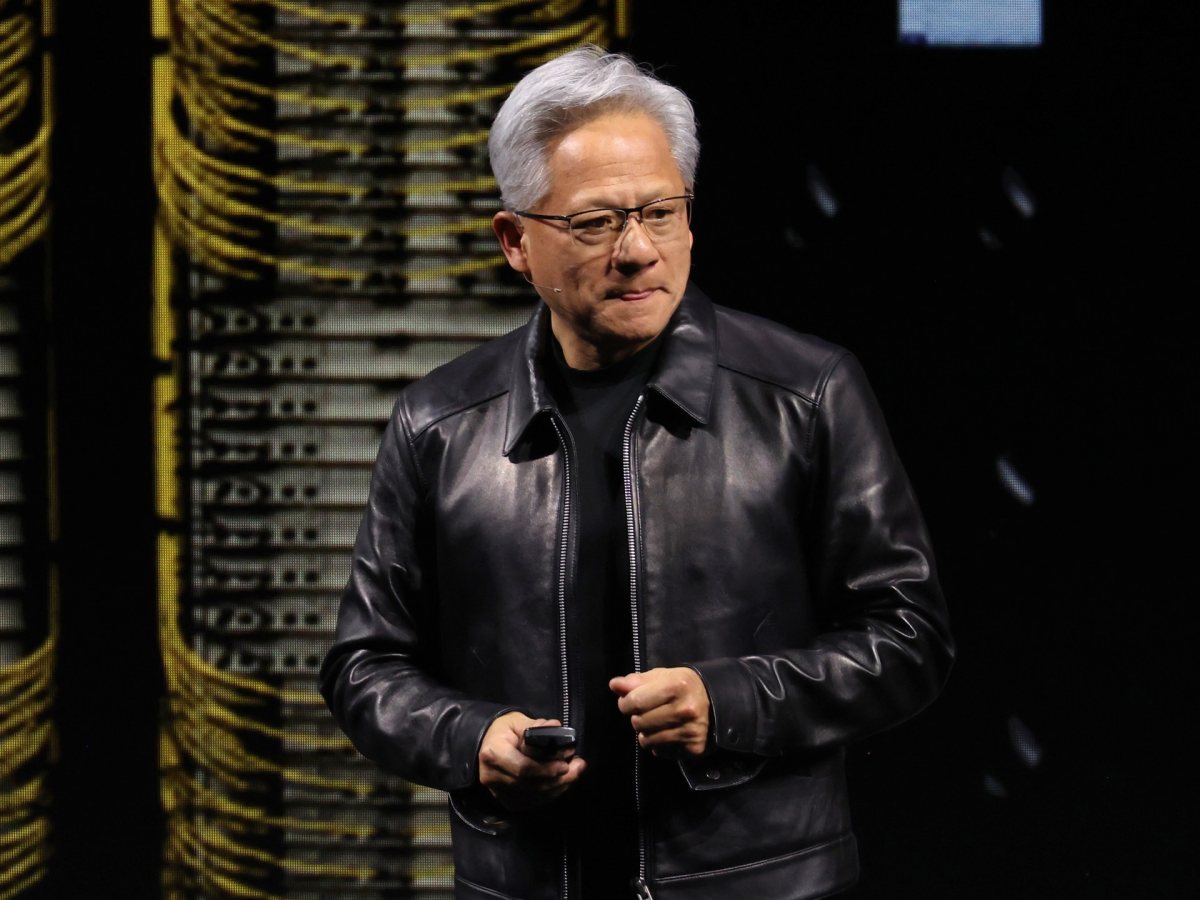
Musk and Silicon Valley insiders push Nvidia to bring back Jensen Huang as CEO

Anthropic shares slide a day after record IPO as US tech sell-off deepens

Global Community Remarks
0