
Two-thirds of Kenyans blame police and security agencies for abductions, survey finds
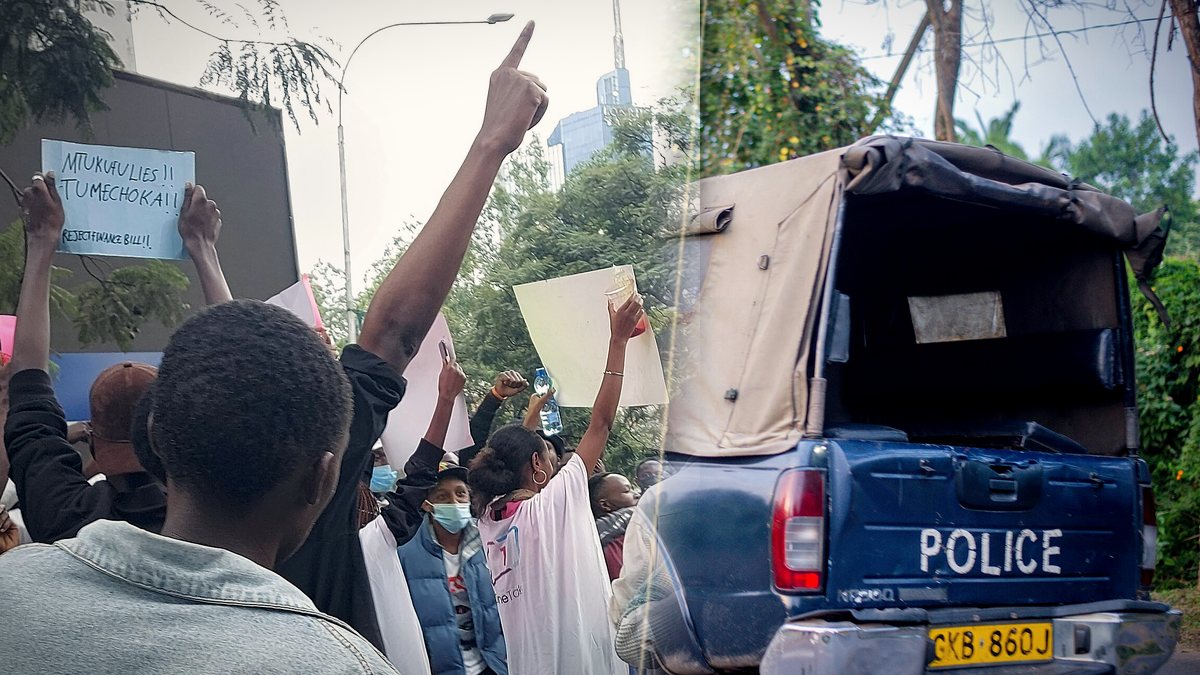
Two in every three Kenyans believe police or other state security agencies are behind the abductions reported across the country, according to a new Afrobarometer survey reported by Nation Kenya.
The study found that 66 per cent of respondents pointed to the police or other security organs. Another 26 per cent blamed criminal gangs, 7 per cent said they did not know, and 1 per cent said the abductions were staged or that nobody was responsible.
The results suggest widespread distrust of the state's security apparatus at a time of continuing public concern over human rights abuses, extrajudicial killings and a lack of accountability.
Strong demand for government action
An overwhelming 92 per cent of Kenyans said the government should do more to investigate and prevent abductions and extrajudicial killings. Of these, 68 per cent want it to do a lot more, while 24 per cent want somewhat more action.
Prof Paul Kamau, Director of Research at the Institute for Development Studies (IDS) at the University of Nairobi, said the findings captured Kenyans' worries about their security, human rights and accountability.
"The public expectation is that the government should take these incidents seriously," Prof Kamau said while releasing the findings.
He added that citizens expect reported abductions to be investigated and those responsible to be held to account.
The survey's release comes amid public attention on the case of Nairobi lawyer Abshir Abdi, whose colleagues and relatives demonstrated on Harambee Avenue in Nairobi on November 11, 2026, demanding his release by his abductors, according to Nation Kenya.
Doubts over rights and justice
More than half of respondents (54 per cent) said the government was not very committed or not at all committed to protecting human rights, compared with 42 per cent who considered it somewhat or very committed.
Confidence in the courts was also low. Only 34 per cent believed victims of extrajudicial killings and their families could obtain justice through the courts, while 65 per cent said they were not very or not at all confident.
On police conduct, 56 per cent said officers often or always use excessive force against suspects in custody, and a further 36 per cent said this happens sometimes.
Gap between speech and protest
The survey found that while 65 per cent of Kenyans feel free to say what they think, only 42 per cent feel free to join protests without fear of intimidation, arrest or violence.
A majority, 63 per cent, said the government takes concerns raised through demonstrations not at all or only a little seriously, raising questions about whether protests remain an effective way for citizens to influence decisions.
Democracy satisfaction declines
Satisfaction with democracy has dropped. Some 46 per cent said they were fairly or very satisfied with how democracy works in Kenya, down from 59 per cent in 2019.
The share of citizens who regard Kenya as a full democracy or a democracy with minor problems has fallen to 54 per cent, from a peak of 68 per cent in 2019.
About the survey
The nationally representative survey was carried out between September 1 and 20, 2026, through face-to-face interviews with 2,400 Kenyan adults aged 18 and above, conducted in the language of each respondent's choice.
It was led by Afrobarometer's Kenya team at the IDS, University of Nairobi, and has a margin of error of plus or minus two percentage points. The study examined public experiences and perceptions of democracy, governance, human rights and quality of life.
This story was prepared by the Hamasta Newsdesk with AI assistance, based on reporting by Nation Kenya. Read the original report.
Photos: Egotieno / Wikimedia Commons (CC0); Kaizenify / Wikimedia Commons (CC BY-SA 4.0)





Show the impact of your work.
Impact stories, campaign videos and community engagement for NGOs and programmes.

More in Crime & Justice
See all
Six riders flee as detectives seize 100kg of bhang on Nambale-Busia Road

Nairobi County Launches 16 Days of Activism Against Gender-Based Violence

Nigeria arrests five Mexicans and local businessman over $227m meth laboratory
Judiciary begins training magistrates on election disputes ahead of 2027 polls

Hungary embassy warns Kenyans of fraudsters selling fake Latvia work visa deals

Global Community Remarks
0