
Judiciary begins training magistrates on election disputes ahead of 2027 polls
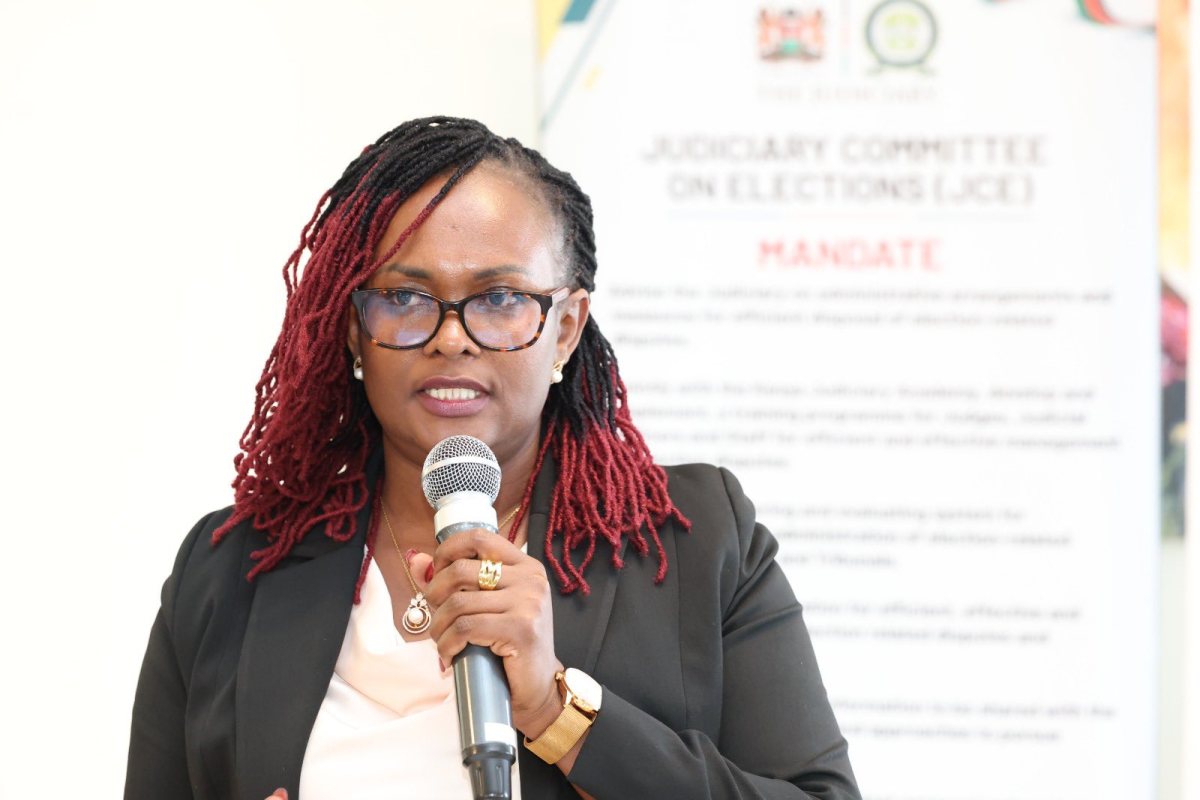
The Judiciary has started training magistrates in all 47 counties on how to resolve electoral disputes, an early step in its preparations for the 2027 General Election, according to KBC.
The nationwide programme aims to make sure courts are ready to hear and determine election petitions within the strict timelines set by the Constitution. The Judiciary plans to train more than 400 judicial officers and staff before Kenyans go to the polls.
What the training covers
The exercise is being run in three cohorts. Participants will be taken through:
- Electoral law
- Statutory timelines for election cases
- Scrutiny and recounts
- Electoral technology
- Digital evidence
- Judgment writing
Call for speed and seriousness
High Court Principal Judge Eric Ogola, who sits on the Judiciary Committee on Elections, said election petitions carry weighty constitutional implications.
He asked judicial officers to treat electoral disputes with seriousness and to deal with them quickly. Justice Ogola also cautioned against frivolous proceedings, warning that they could erode public confidence in the electoral process.
High Court Judge Emily Ominde, speaking on behalf of the committee's chairperson, Justice Mohamed Warsame, described the preparations as deliberate and necessary.
She said the groundwork was meant to protect the right to fair elections and to ensure that disputes arising before, during and after the 2027 polls are resolved fairly.
Magistrates' key role
Registrar of Magistrates' Courts Caroline Kabucho said magistrates would play a central part in the coming election cycle, handling election-related offences as well as petitions involving County Assembly seats.
Kabucho urged judicial officers to put the experience of court users first. She warned that delays in election matters could have serious consequences because of the tight timelines that govern how such cases are determined.
"Kenyans don't judge us by neat spreadsheets," she said, adding that the public instead judges the courts by how people are treated when they walk in.
She stressed that the courts must be fully prepared before any disputes emerge, pointing out that the constitutional clock begins ticking the moment an election petition is filed.
Early preparations
The training signals the Judiciary's intention to build capacity well ahead of the next General Election, rather than waiting for petitions to land in court.
By reaching magistrates in every county, the programme seeks to ensure that courts at the grassroots level, where many County Assembly disputes and election offences are handled, are equipped with the same knowledge of electoral law, technology and evidence as the higher courts.
The focus on electoral technology and digital evidence reflects the growing role of technology in the conduct of elections and in the cases that follow them.
The Judiciary has not indicated when all three cohorts will complete the programme, but officials say the goal is to have the more than 400 officers and staff trained before the 2027 polls.
This story was prepared by the Hamasta Newsdesk with AI assistance, based on reporting by KBC. Read the original report. Photo: KBC.

Tell your story on screen.
Commercials, documentaries, interviews and social video, from script to final cut.





More in Crime & Justice
See all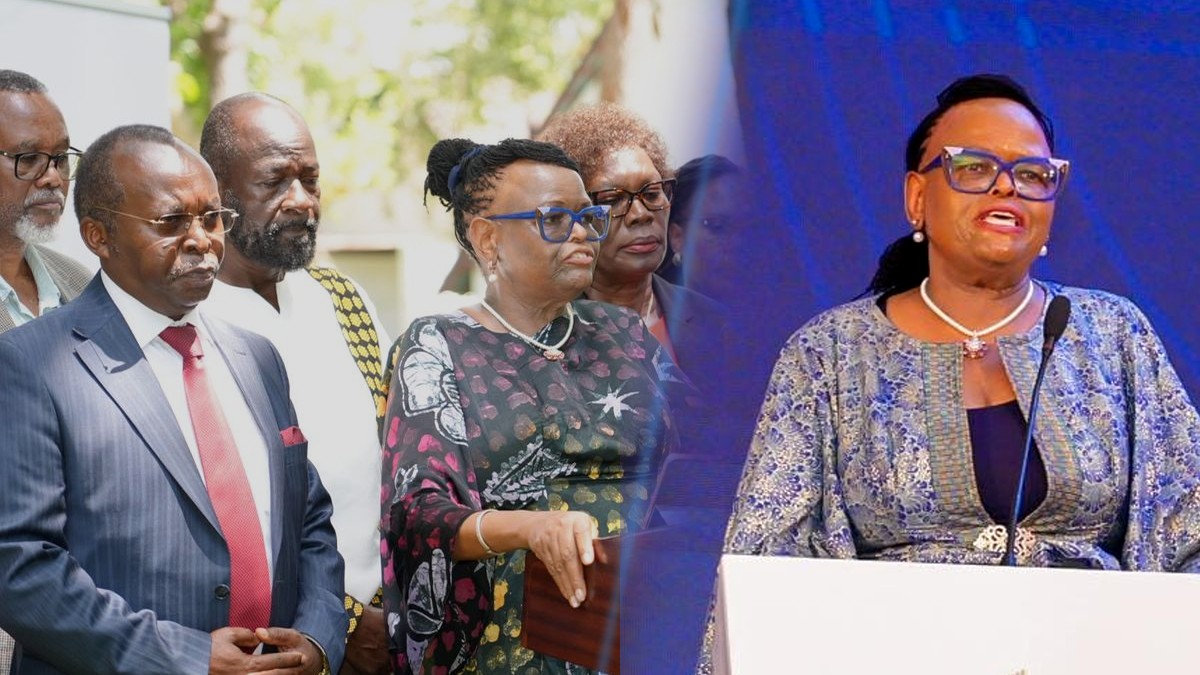
Judiciary begins training 400 judges and officers for 2027 election disputes, seeks extra Sh20.4bn
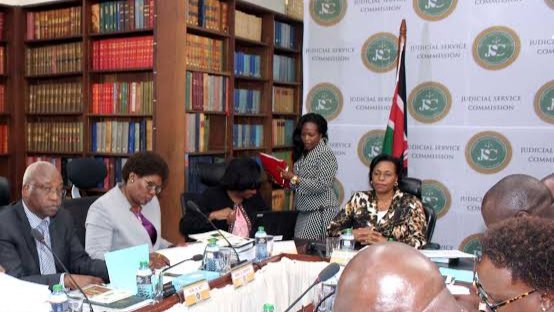
JSC handles 259 petitions against judges as 127 new complaints filed in a year
.jpeg)
Judiciary names top-performing judges in first output data, warns it is not a ranking
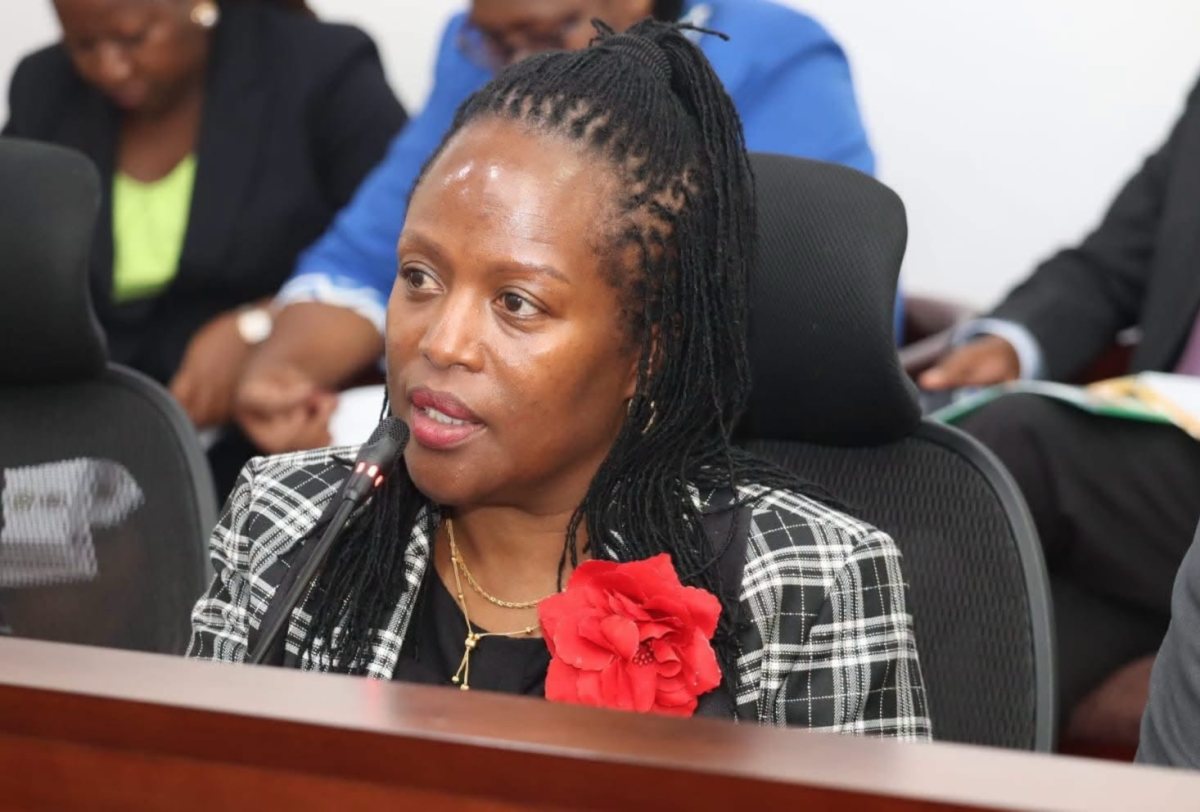
Judiciary seeks Ksh50.76bn for 2027/28, flags Ksh20.35bn funding gap
Kindiki vows to shield judicial independence as Judiciary budget hits Sh30.4bn
Global Community Remarks
0