
Kindiki vows to shield judicial independence as Judiciary budget hits Sh30.4bn
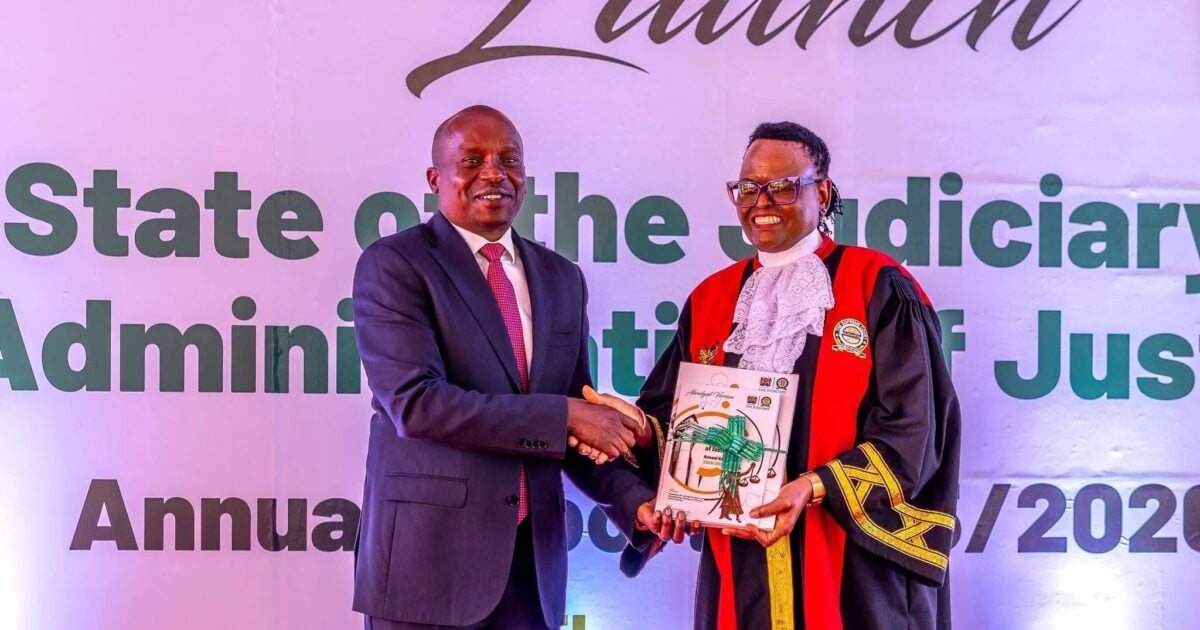
Deputy President Kithure Kindiki has said the government remains committed to safeguarding the independence of the Judiciary, pointing to a rise in the institution's budget to Sh30.4 billion and the hiring of 53 additional judges as evidence of that support.
Speaking in Nairobi on Friday at the launch of the State of the Judiciary and the Administration of Justice Annual Report for the 2025/2026 financial year, Kindiki described an independent and effective court system as essential to constitutional democracy, economic growth and social progress, according to Capital FM Kenya.
Budget and staffing boost
The Deputy President said the Judiciary's allocation for the 2026/2027 financial year stands at Sh30.4 billion, up from Sh27.15 billion the year before. He linked the increase to reforms undertaken since President William Ruto took office in 2022.
He said the recruitment of 53 more judges was intended to expand the courts' capacity, tackle case backlogs and speed up the delivery of justice.
Kindiki also highlighted the Judges' Retirement Benefits Act, 2026, saying the law had resolved long-running concerns about the welfare of retired judges and reinforced the institution's independence.
Title deeds for Supreme Court land
According to Kindiki, the President has acted on several requests from the Judicial Service Commission, including better retirement benefits for judges and faster processing of title deeds for court land.
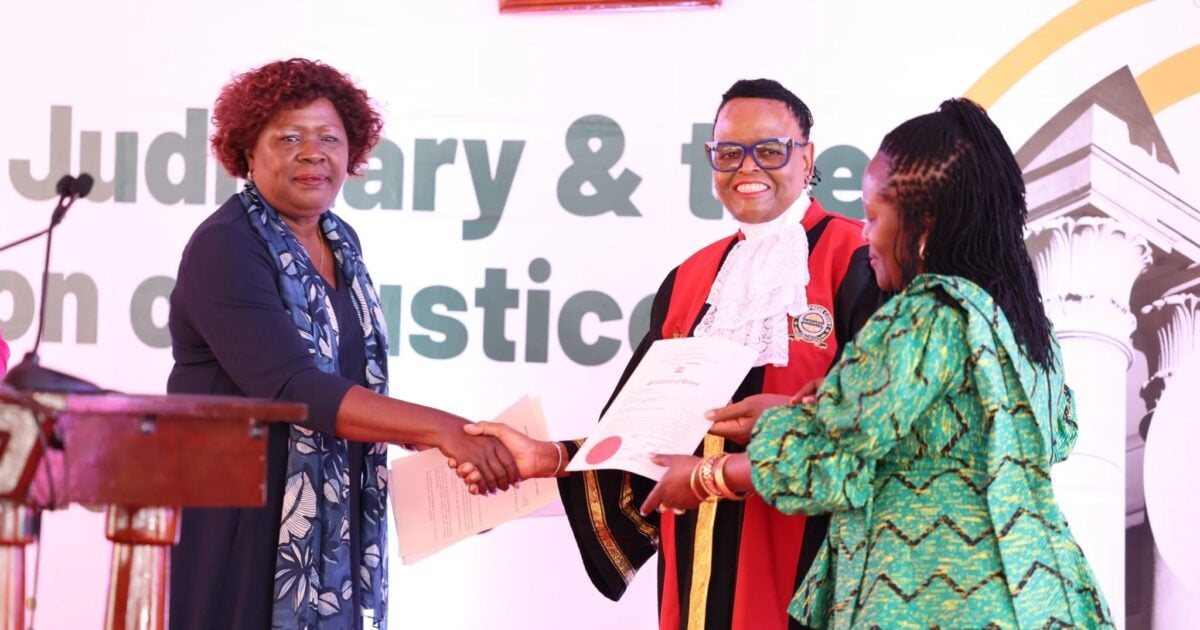
At the same event, Lands Cabinet Secretary Alice Wahome handed over two title deeds for the Supreme Court precincts and its parking area, settling years of uncertainty over who owns the land on which the country's highest court sits. She also presented a title deed for a planned court in Kapsabet town.
Courts clear more cases than filed
Kindiki noted that for a second financial year running, the courts had concluded more cases than were brought before them.
The annual report shows the Judiciary resolved 576,702 cases against 561,580 new filings, giving a case clearance rate of 103 per cent. Among the concluded matters, 190,779 had been in the system for more than a year, and 37,757 of those had been pending for over five years.
Despite the progress, the Deputy President urged the Judiciary to step up efforts to dispose of more than 341,000 cases that have been pending for over a year. He warned that slow justice erodes public trust and weighs on economic activity, and called on the courts to cut delays and strengthen the resolution of commercial disputes.
Sh26bn infrastructure programme
Kindiki reported progress on the Judicial Performance Improvement Project Phase II, a Sh26 billion infrastructure programme approved by Cabinet in June and undertaken with the World Bank.
The project aims to modernise the Supreme Court and the Court of Appeal, bring together infrastructure for tribunals and Judiciary administration, and provide a permanent home for the Kenya Judiciary Academy. Kindiki said the investment would close infrastructure gaps, improve working conditions and build the Judiciary's institutional capacity.
Pending legislation
He further said several legislative proposals were being fast-tracked, among them the Tribunals Bill, the Kenya Judiciary Academy Bill and a review of the Small Claims Court Act.
The Deputy President argued that spending on the justice system deserves the same priority as investment in roads, energy and digital connectivity, since an efficient court system offers the legal certainty businesses and investors need.
Kenya, he said, must build "a justice system that provides legal certainty, protects rights and facilitates investment and enterprise."
This story was prepared by the Hamasta Newsdesk with AI assistance, based on reporting by Capital FM Kenya. Read the original report. Photo: Capital FM Kenya.


Take your event live to thousands.
Multi-camera live streams, panel discussions and digital broadcasts with professional crews.




More in Crime & Justice
See all
Court Halts KeNHA, Chinese Firm's Ksh29.6M Auction Bid Against Firm in Land Row

Court Orders Deportation of Somali National Convicted Over Fake Kenyan IDs
Supreme Court finally gets title deeds for its land, a year after Kindiki's directive
High Court Lifts Order Blocking CJ Koome and JSC From Publishing Judges' Performance Data

Court clears extradition of Brian Kiplagat to UK over death of Kenyan woman
Global Community Remarks
0