
Isaboke urges editors not to amplify ethnic incitement ahead of 2027 polls
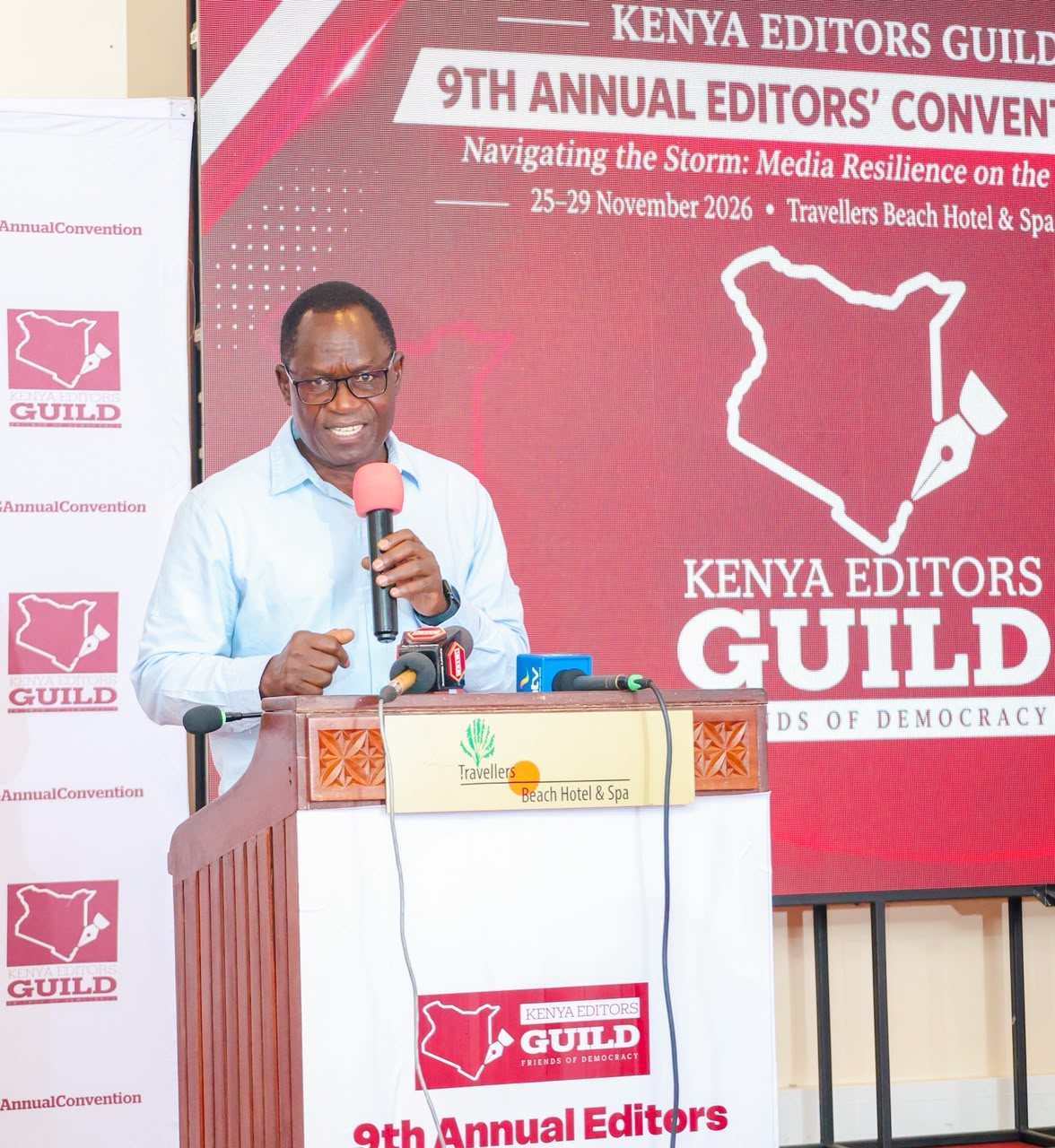
Broadcasting and Telecommunications Principal Secretary Stephen Isaboke has called on Kenyan editors to apply careful professional judgement when politicians make inflammatory statements, stir ethnic hostility or threaten communities with violence as the country moves towards the 2027 General Election.
The PS made the appeal at the official opening of the 9th Annual Editors' Convention in Mombasa, an event organised by the Kenya Editors' Guild, according to KBC.
Reporting versus amplifying
At the centre of his message was a distinction he described as fundamental. Covering incitement because the public has a right to know about it, he argued, is not the same as handing those who incite a platform to spread their message further.
Isaboke cautioned that commercial pressures in the newsroom should not override ethical responsibilities. "The pursuit of headlines, ratings and digital traffic must never supersede professional integrity," he said, according to KBC.
He added that public safety and national cohesion should likewise take priority over the chase for audiences, and warned that the media must not allow itself to become a channel for divisive rhetoric, ethnic mobilisation or the fragmentation of the country along community lines.
Editors as gatekeepers
The remarks place a significant share of responsibility on editors, who decide what makes it into bulletins, newspapers and online platforms. Isaboke's appeal suggests the government expects newsroom leaders to weigh the potential consequences of publishing or broadcasting divisive political speech, rather than relaying it uncritically.
His comments come as political activity begins to build well ahead of the next General Election, with rallies, interviews and social media exchanges offering frequent opportunities for heated language to reach large audiences.
A familiar concern in Kenya
Concerns about the role of the media during election periods are not new in Kenya. The violence that followed the disputed 2007 General Election, which left more than a thousand people dead and many more displaced, prompted wide reflection on how hate speech and ethnic mobilisation can escalate into bloodshed. The country subsequently established the National Cohesion and Integration Commission to address hate speech and promote unity among communities.
Since then, each election cycle has been accompanied by calls from government officials, civil society and media bodies for responsible coverage of political campaigns.
What next
The Mombasa convention brings together editors from across the country to discuss issues facing the industry. KBC's report did not detail further proceedings or any response from the Kenya Editors' Guild to the PS's remarks.
With the 2027 polls approaching, how newsrooms balance their duty to inform the public against the risk of spreading inflammatory content is likely to remain a key question for the profession.
This story was prepared by the Hamasta Newsdesk with AI assistance, based on reporting by KBC. Read the original report. Photo: KBC.



Grow an audience that listens.
Social media management, digital campaigns and online storytelling that converts.



More in Politics
See all
Chesang seeks probe into Trans Nzoia ethnic tensions, accuses Natembeya of incitement
Kindiki cautions politicians against ethnic mobilisation ahead of 2027 polls

Stephen Nyandiare leads Kisumu senatorial race in new Politrack Africa poll

EACC recovers 2.7-acre Kikuyu playground after court cancels church guild's title
Murkomen accuses Opposition of reckless attacks on IEBC, vows action on incitement
Global Community Remarks
0