
Telcos warn upfront spectrum fees in new Bill could slow 5G and network upgrades
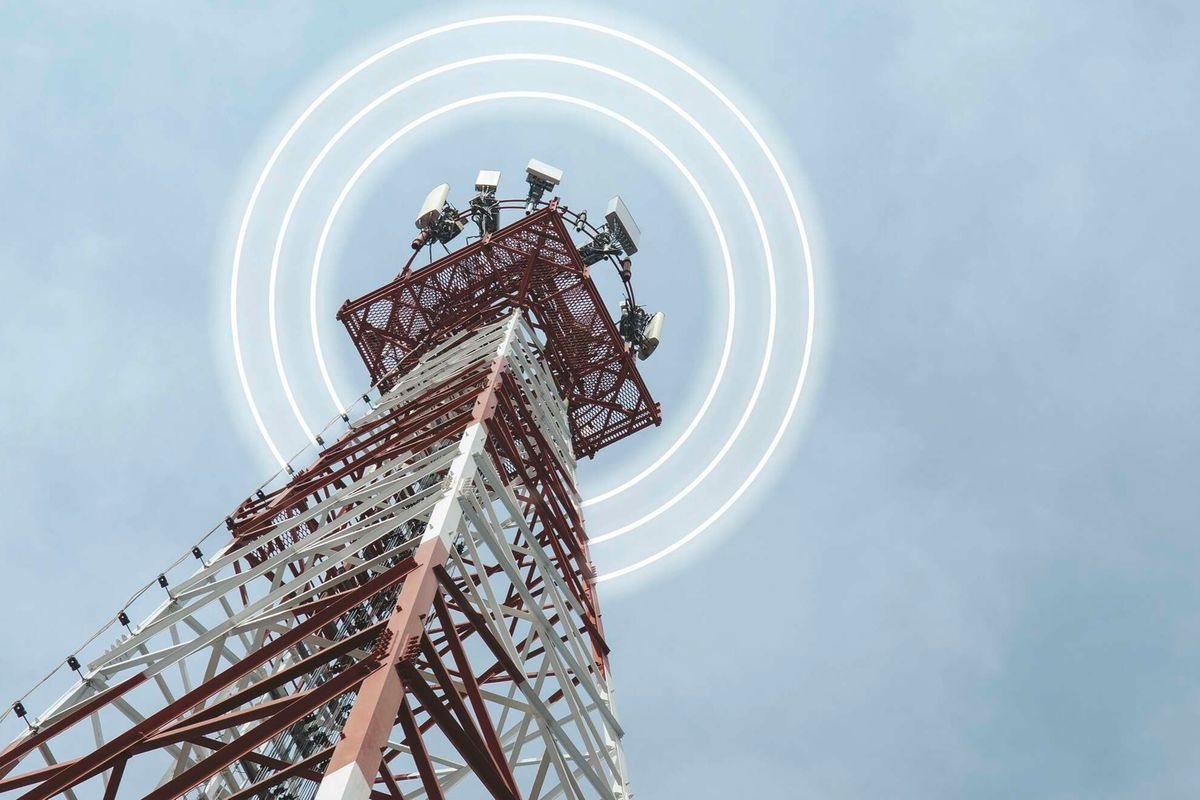
Telecom operators and internet service providers have warned that a proposed law requiring them to pay spectrum licence fees in full and upfront could drain money meant for network upgrades and slow the rollout of faster internet in Kenya, according to Business Daily.
The Kenya Information and Communications Amendment Bill 2026 seeks to remove a provision that allows qualifying operators to spread large spectrum licence payments over as long as 10 years.
Industry players say ending the instalment option would raise the cost of acquiring radio frequencies and force firms to choose between paying for spectrum and investing in infrastructure, including high-speed networks.
What the Bill proposes
Under the current rules, spectrum licence fees above Sh1 billion can be paid in equal instalments over a period not exceeding 10 years. The Bill proposes deleting those provisions.
The Bill states that the effect of the change is that every applicant would have to pay the prescribed licence fees in full before a licence is granted.
The instalment arrangement came into effect in 2019 to ease the initial financial burden on investors seeking spectrum. It is approved by the Communications Authority of Kenya (CA) for applicants who are Kenyan citizens or companies at least 51 per cent owned by Kenyans. Beneficiaries must also commit to building at least 500 base transceiver stations within three years of being licensed.
Industry pushback
The GSM Association (GSMA), a global lobby representing mobile network operators, made its case during a virtual public participation forum on the Bill. It argued that upfront payments make spectrum more expensive and threaten capital set aside for other investments.
The association pointed to developed markets such as Germany, which allow operators to pay for spectrum in phases even though firms there earn more than their Kenyan counterparts.
Jamii Telecommunications, which runs the Faiba brand, said it still relies on the instalment option to balance spectrum costs against network spending. The company warned that scrapping it would affect how quickly operators move from 4G to 5G and eventually 6G.
"If it is scrapped, spectrum fees will stifle infrastructure rollouts," Jamii Telecommunications said.
Business Daily notes that the change could also raise barriers to entry for smaller operators and new investors who may struggle to raise large sums at once.
Why spectrum matters
Spectrum is a limited public resource allocated by the government through the CA. Operators pay to access specific frequency bands, which determine the capacity and reach of their mobile and wireless networks.
The fees are a major expense for operators such as Safaricom, Airtel and Telkom Kenya, as well as cloud computing and enterprise networking firms. They vary depending on frequency band, bandwidth, transmitter type and coverage area, and can run into billions of shillings. They are separate from initial licence fees and annual operating charges.
To illustrate the scale of regulatory costs, Safaricom spent Sh16.3 billion on licences in Kenya in the year ended March 2026.
Added regulatory pressure
The proposal comes as operators face tougher service quality demands. The CA wants to raise the minimum service quality threshold from 80 per cent to 90 per cent and move assessments from once a year to every quarter.
Operators that fall short on call quality and other standards could face penalties of up to 0.2 per cent of their revenues, adding to their regulatory bill.
Elsewhere, India has offered operators deferred payment plans for auctioned spectrum, including annual instalments across the licence period, while France has used multi-year payment structures for major allocations to protect operators' ability to invest in network expansion.
This story was prepared by the Hamasta Newsdesk with AI assistance, based on reporting by Business Daily. Read the original report. Photo: Business Daily.
Every moment, captured beautifully.
Events, corporate portraits, products and editorial shoots by our newsroom photographers.






More in Business
See all
High Court lets Safaricom join Jamii Telecom's fight against new spectrum fees

Airtel Kenya pays Sh8.4 billion for 25-year 5G spectrum as race with Safaricom heats up
KRA ordered to refund StanChart Sh933m in card fees tax, opening door for other banks

Paid for 30 days, gone in 10? Vanishing data bundles are now the top complaint against telcos as CA promises tougher checks on billing

Four held over machete attack on Governor Natembeya's communications officer

Global Community Remarks
0