
Saudi-backed Forward7 and ARSO roll out 45+ clean cooking standards for Africa
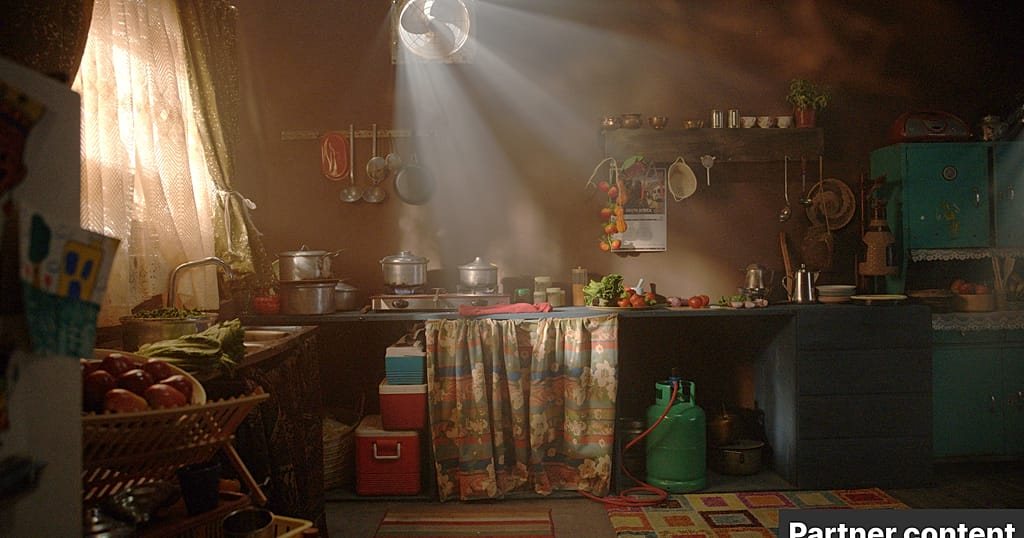
More than 45 harmonised standards for clean cooking equipment have been implemented across Africa through a partnership between Saudi Arabia's Forward7 Clean Cooking Initiative and the African Organization for Standardization (ARSO), according to Africanews.
The standards cover three categories of clean cooking technology: liquefied petroleum gas (LPG) equipment, bioenergy and biogas systems, and solar thermal energy systems. The goal is to make it easier for safe cooking products to cross borders and reach households that still depend on wood and charcoal.
ARSO, the continental standards body, is headquartered in Nairobi.
Why standards matter
According to the report, about 80% of Africa's population is exposed to household air pollution linked to traditional cooking methods. Women and children are among those most affected.
While demand for cleaner alternatives is rising, the report says differing standards and certification requirements between African countries have slowed the spread of such products. A stove or gas fitting approved in one market may face fresh technical hurdles in another, partly because some certifications are not mutually recognised.
Africanews notes that the continent also relies heavily on imports of certain energy sources and equipment, and that intra-African trade continues to be hampered by these regulatory differences. Supplying clean cooking products alone, the report argues, is therefore not enough without a common framework that allows them to move between markets while keeping quality and safety intact.
What the standards cover
The harmonised standards are designed to address safety across the full life of a product, from design and manufacturing through transport, distribution and sale, to use in the home.
Specific areas covered include:
- Safety of gas cylinders and their accessories
- Safety valves and pressure gauges
- Periodic inspection requirements
- Compatibility between equipment and its components
For LPG in particular, cylinder and valve safety are central concerns for households switching from charcoal and firewood.
Trade and consumer confidence
According to the report, aligning standards across markets should help reliable products reach more families, ease trade between countries and strengthen consumer confidence in clean cooking options.
The partnership is framed as recognising that the shift to clean cooking depends not only on new technologies but on creating conditions for them to scale safely. Africanews describes the work as a practical step towards reducing the health and environmental risks associated with traditional cooking.
The report also presents the project as part of Saudi Arabia's commitment to international partnerships and to supporting development, stability and prosperity in Africa.
The report did not give a timeline for the rollout, details on which countries have adopted the standards, or the cost of the programme.
The wider picture
Reliance on firewood and charcoal remains widespread in many African countries, including in Kenya, contributing to indoor air pollution and pressure on forests. Efforts to expand access to LPG, biogas and solar cooking have often been constrained by affordability, supply and regulation.
The Forward7-ARSO agreement targets the regulatory piece of that puzzle, seeking to ensure that once clean cooking products are available, they can be traded and trusted across the continent's many national markets.
This story was prepared by the Hamasta Newsdesk with AI assistance, based on reporting by Africanews. Read the original report. Photo: Africanews.


Take your event live to thousands.
Multi-camera live streams, panel discussions and digital broadcasts with professional crews.




Read also
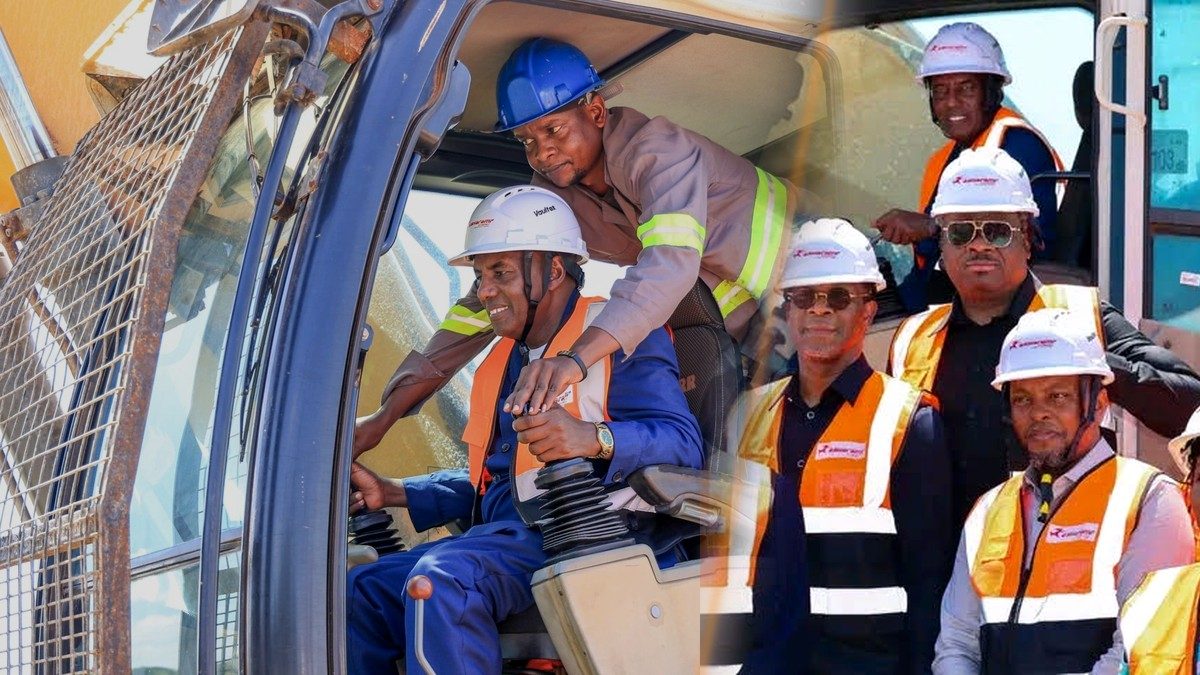
Nearly seven in 10 homes still cook with firewood and charcoal: State targets cooking gas for 10 million households by 2028 as Mombasa LPG terminal breaks ground

Saudi Arabia Introduces Mandatory Skills Exams for Foreign Workers in 1,000+ Jobs
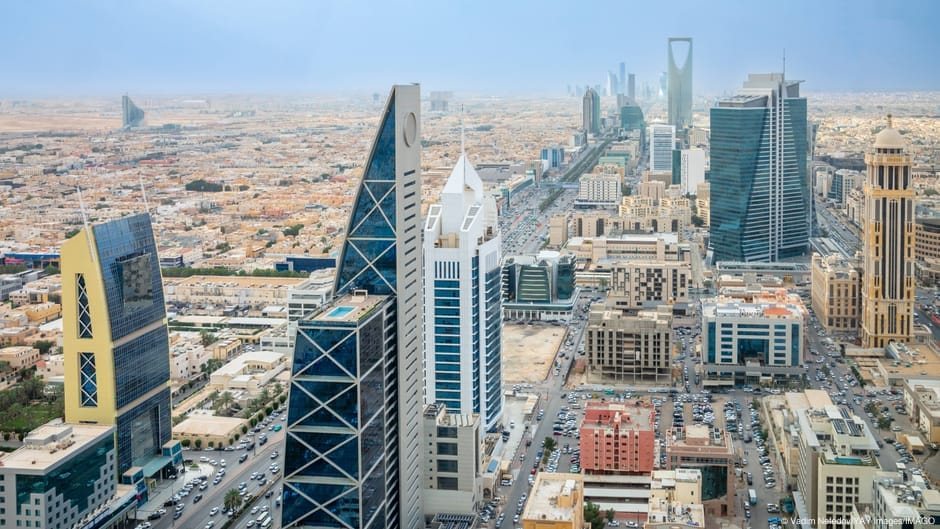
Saudi Arabia executions hit 211 this year as rights groups sound alarm

Kenyan Embassy Warns Non-Muslim Kenyans in Saudi Arabia Over Holy Site Restrictions
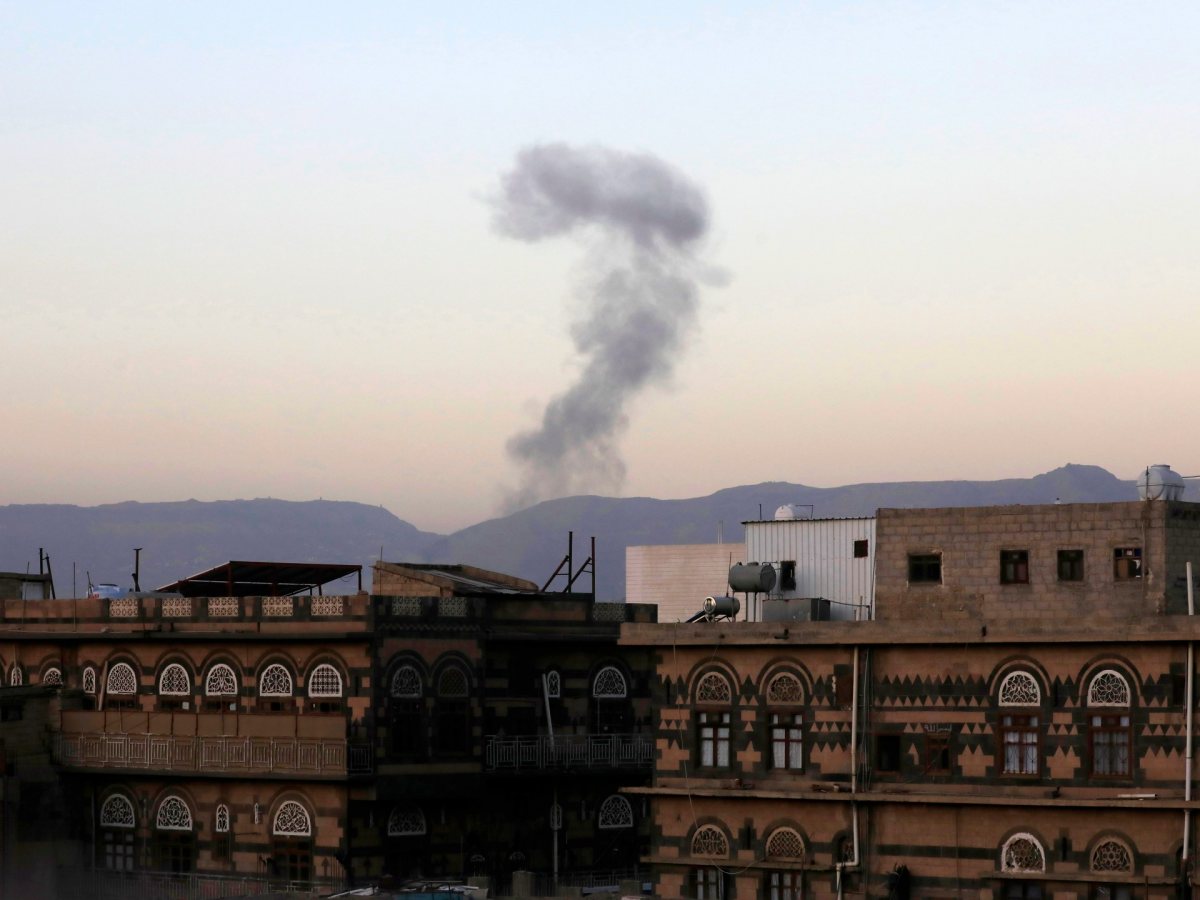
Saudi Arabia downs Houthi drone and missile as Sanaa fuel station strike wounds six

Global Community Remarks
0