
KNBS Census Finds 19 Kenyan Driving Schools Operating With No Training Vehicles
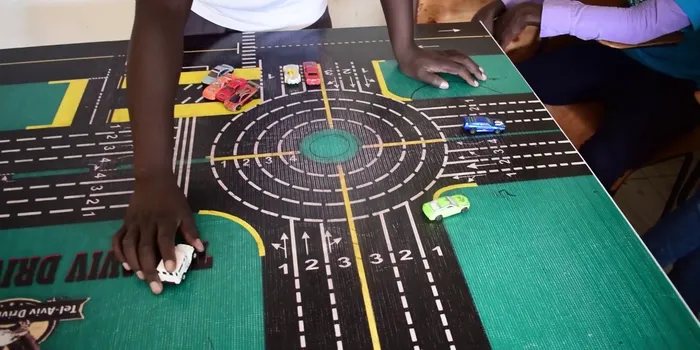
Nineteen driving schools in Kenya have no vehicles for training learners, and nearly three quarters operate with two cars or fewer, according to a new report by the Kenya National Bureau of Statistics (KNBS).
The figures are contained in the 2026 Mapping and Census of TVET Institutions, which assessed 1,391 driving schools across the country. The report, seen by Kenyans.co.ke, has prompted concern over whether some schools can offer adequate hands-on lessons and properly prepare students for their licensing tests.
Most schools run on one or two cars
The 19 schools without any training vehicle make up 1.4 per cent of those assessed. Of these, 17 are privately owned and two are public institutions.
The census further found that 74 per cent of driving schools had no more than two vehicles. A total of 471 schools depended on a single car, while 538 had two vehicles available for lessons.
With practical driving forming a core part of preparation for the licence test, the limited fleets raise questions about how much time behind the wheel learners actually receive, particularly as student numbers continue to rise.
Dozens operating without NTSA licences
The KNBS report also established that 50 driving schools, or 3.6 per cent of those assessed, were running without licences from the National Transport and Safety Authority (NTSA), the agency that regulates driver training in the country.
Of the unlicensed schools, 28 had applied for NTSA licences, while 22 had not submitted any application for approval.
Separately, the census recorded 52 driving schools that had not been registered. The report treats registration as a distinct measure from NTSA licensing.
Private sector dominates
Privately owned schools make up the vast majority of the sector, accounting for 1,305 of the 1,391 facilities mapped by KNBS. Only 86 driving schools are publicly owned.
Private institutions also train most learners. Of the 243,842 students enrolled in driving schools in 2025, 216,135 were in private facilities.
Enrolment on the rise
Despite the gaps in equipment and compliance, demand for driver training continues to grow. Enrolment rose from 208,360 learners in 2024 to 243,842 in 2025, an increase of more than 35,000 students in a year.
Nairobi City County had the largest number of driving school trainees at 70,225. Kiambu followed with 34,002 learners, while Mombasa recorded 17,827.
Registration across TVET institutions
Looking at the wider technical and vocational training sector, the census found that most institutions had been registered.
"Overall, 4,149 (88.7 per cent) institutions were registered," the KNBS report stated.
Makueni, Bungoma and Nyeri counties recorded the lowest registration rates. In Makueni, 71.3 per cent of training institutions were registered, representing 87 institutions. Bungoma stood at 77.8 per cent with 112 institutions, while Nyeri recorded 78.3 per cent with 90 institutions.
Questions over training quality
The findings are likely to add to scrutiny of how driving schools are equipped and regulated, given that a significant share of the sector relies on very small fleets while learner numbers keep climbing.
The report does not indicate what action, if any, regulators intend to take against schools operating without vehicles or licences.
This story was prepared by the Hamasta Newsdesk with AI assistance, based on reporting by Kenyans.co.ke. Read the original report. Photo: Kenyans.co.ke.



Grow an audience that listens.
Social media management, digital campaigns and online storytelling that converts.



More in Education
See all
KNBS Census: 530 Training Institutions in Kenya Operating Without Licences
Census: One TSC teacher for every 74 learners in public junior schools
NTSA Upgrades Driving School System to Cut Delays for Schools and Learner Drivers
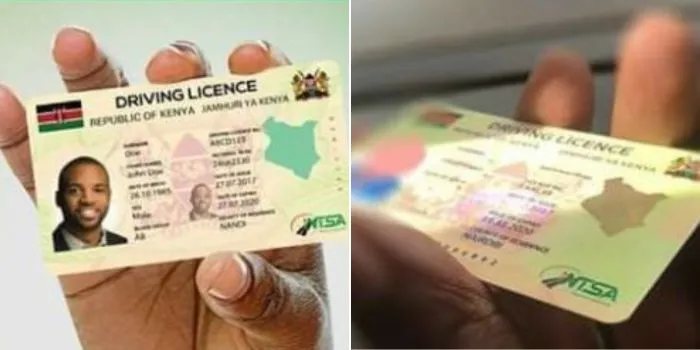
NTSA to Suspend Over 300,000 Driving Licences in a Week Over Unpaid Traffic Fines
MPs Grill Planning Department Over Ksh18.6bn Request for 2029 Census Preparations
Global Community Remarks
0