
Banks post Sh267bn profit as savers absorb deeper cuts in deposit rates

Kenya's commercial banks grew their pre-tax profit by 17.4 percent to Sh267.6 billion in the nine months to September. The gain came largely from cutting what they pay savers faster than what they charge borrowers, according to Central Bank of Kenya (CBK) data reported by Business Daily.
The average rate paid on demand deposits fell to 6.86 percent over the period, down from 8.5 percent a year earlier. That is a drop of about 1.7 percentage points. Average lending rates fell by only one percentage point, to 15.5 percent.
As a result, the spread between the average lending rate and the fixed deposit rate widened to 7.6 percent, up from 6.9 percent a year earlier. Depositors with large cash balances have been among the biggest losers.
Regulator's concerns
The figures emerge as the CBK has raised concerns that banks are quick to lower deposit rates but slow to reduce loan prices when the benchmark rate falls. The regulator says this delays relief for borrowers carrying expensive loans. Both the regulator and the public have previously accused lenders of this practice.
In its report, the CBK said the rise in profitability mainly reflected quarterly income growing faster than quarterly expenses. Income rose by Sh14.0 billion, or 5.3 percent, while expenses rose by Sh7.7 billion, or 4.4 percent.
The industry's profit for the three months to September reached Sh95.2 billion. This is its largest ever quarterly profit, up from Sh88.9 billion in the quarter to June.
Big lenders gain from cheaper funds
Equity Bank, KCB, NCBA, Co-operative Bank and I&M Bank were among the lenders that posted strong profit growth in the first three quarters of 2026. Most of the gains came from higher net interest income as their cost of deposits fell and they lent more.
Equity Bank's Kenyan operations grew profit by 30.9 percent to Sh40.6 billion. Its net interest margin in Kenya widened to 8.9 percent from 8.1 percent, as its cost of funds fell to 3.0 percent from 4.1 percent. Chief executive James Mwangi said a 100 basis-point change in deposit costs for a bank of Equity's size "makes a huge difference."
KCB's Kenyan business recorded a 20.7 percent rise in profit. Its margin also widened after its cost of funds fell to 3.5 percent from 4.0 percent.
Smaller banks pay more
Banks' fixed deposit rates have followed the fall in yields on short-term government securities, which closely shape returns on term deposits.
Smaller lenders, however, have had to offer the highest deposit rates to attract cash. As of September, ABC Bank paid 10.9 percent on term deposits and the Development Bank of Kenya paid 10.01 percent. Both returns were higher than those on Treasury bills and money market funds over the same period.
In contrast, Standard Chartered Bank Kenya paid 2.91 percent, Equity 6.68 percent, KCB 6.37 percent and NCBA 5.41 percent. The higher deposit costs at smaller banks have, in turn, made their loans more expensive than those of larger rivals.
Some savers have shifted money to fund managers offering better returns than fixed deposits. Banks have responded by expanding into wealth management. Standard Chartered reported a 19 percent rise in assets under management.
Loans grow, bad debts ease
Bank deposits grew by 0.8 percent to Sh6.72 trillion, while gross loans rose faster, by 3.1 percent, to Sh4.78 trillion. The growth in lending follows regulatory pressure on banks to lower loan prices.
Asset quality also improved. The ratio of gross non-performing loans to gross loans fell from 14.8 percent in June to 13.9 percent in September.
Melodie Ndanu, a research analyst at Standard Investment Bank, said lower interest rates and stronger recoveries had reduced bad loans. This allowed some lenders to release loan loss provisions, which further boosted profits.
This story was prepared by the Hamasta Newsdesk with AI assistance, based on reporting by Business Daily. Read the original report. Photo: Business Daily.

Tell your story on screen.
Commercials, documentaries, interviews and social video, from script to final cut.





More in Business
See all
Smaller banks outpace big lenders on fixed deposit returns as rates ease
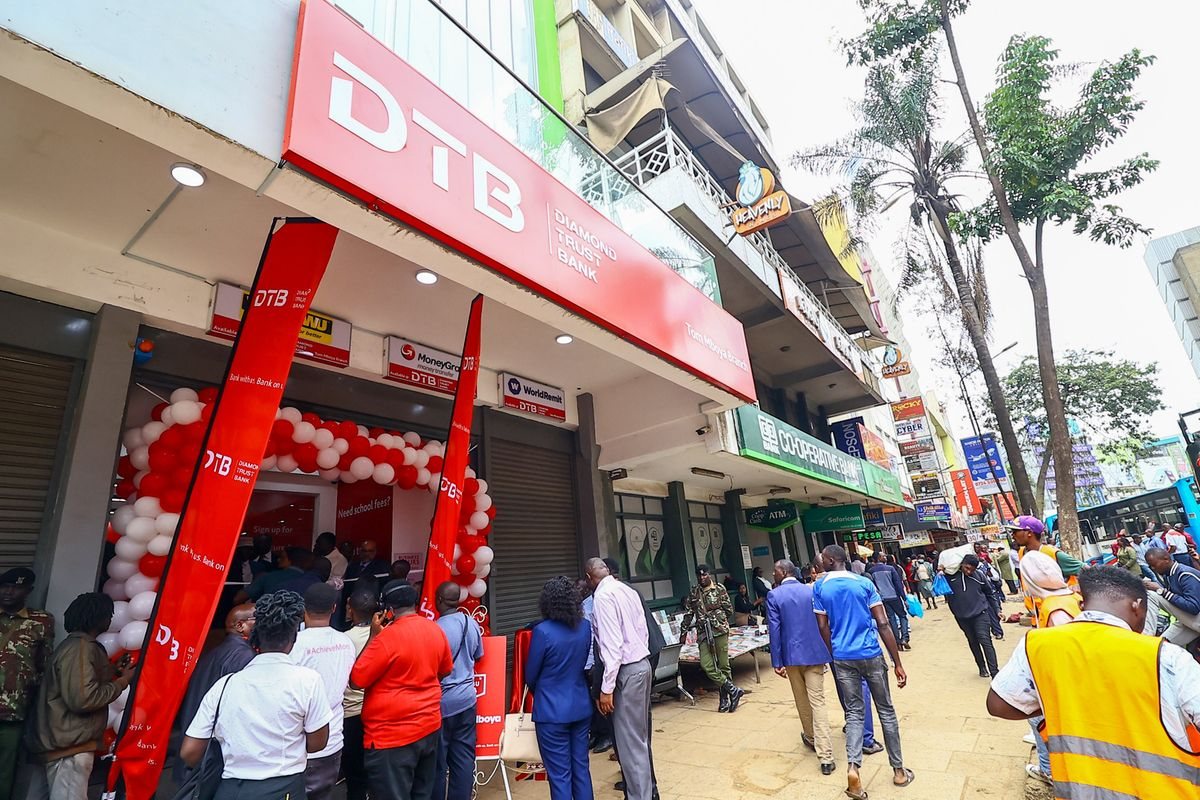
DTB nine-month profit rises 24pc to Sh9.2bn on loan income, cheaper deposits
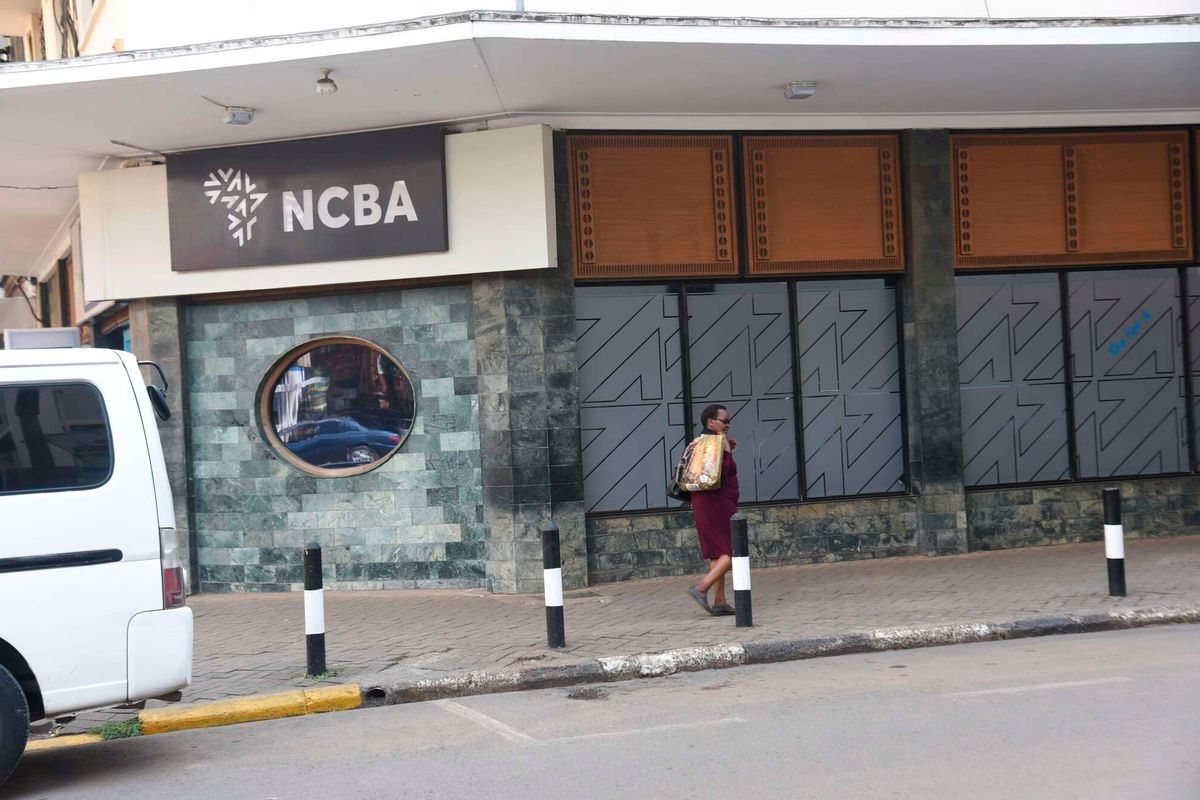
NCBA nine-month profit rises 14.5pc to Sh18.7bn on loan and bond income
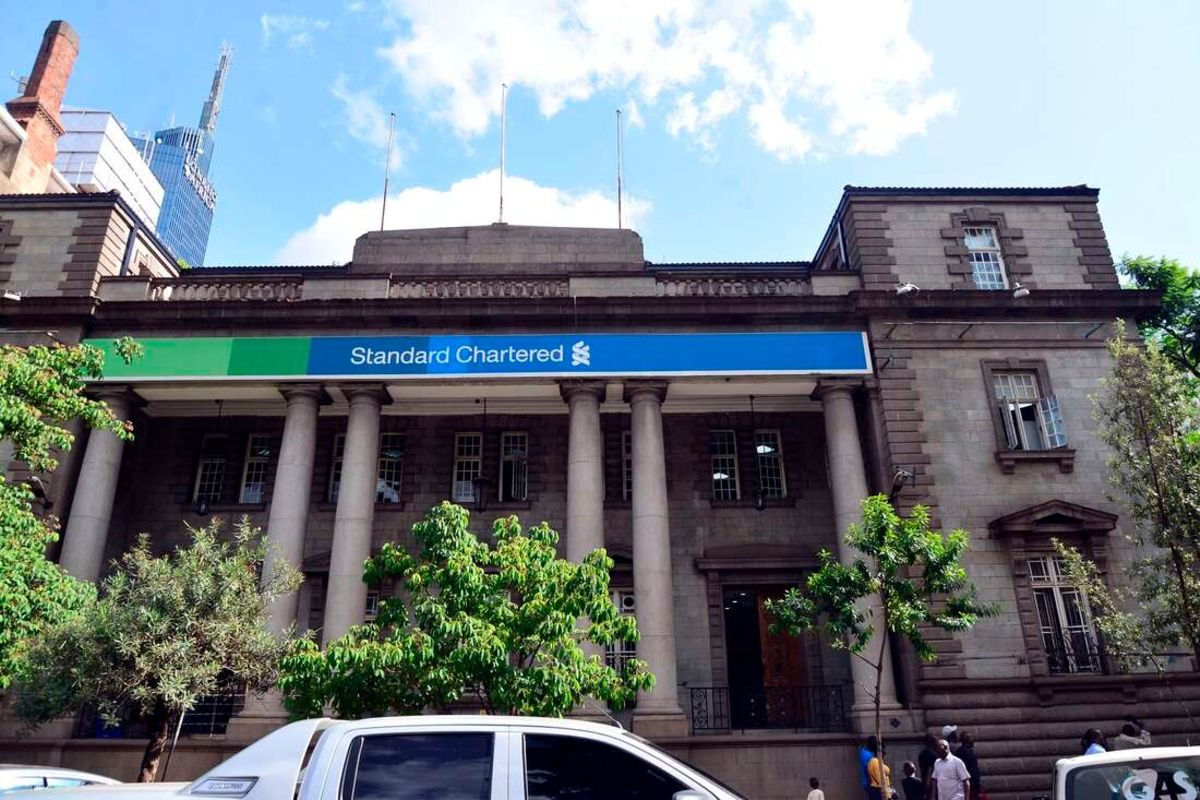
KRA ordered to refund StanChart Sh933m in card fees tax, opening door for other banks

Kenya Met forecasts light rain in Kwale, thunderstorms on coast and strong winds in north

Global Community Remarks
0