
Kenyan PR leaders push for regulation and ethics as misinformation erodes trust
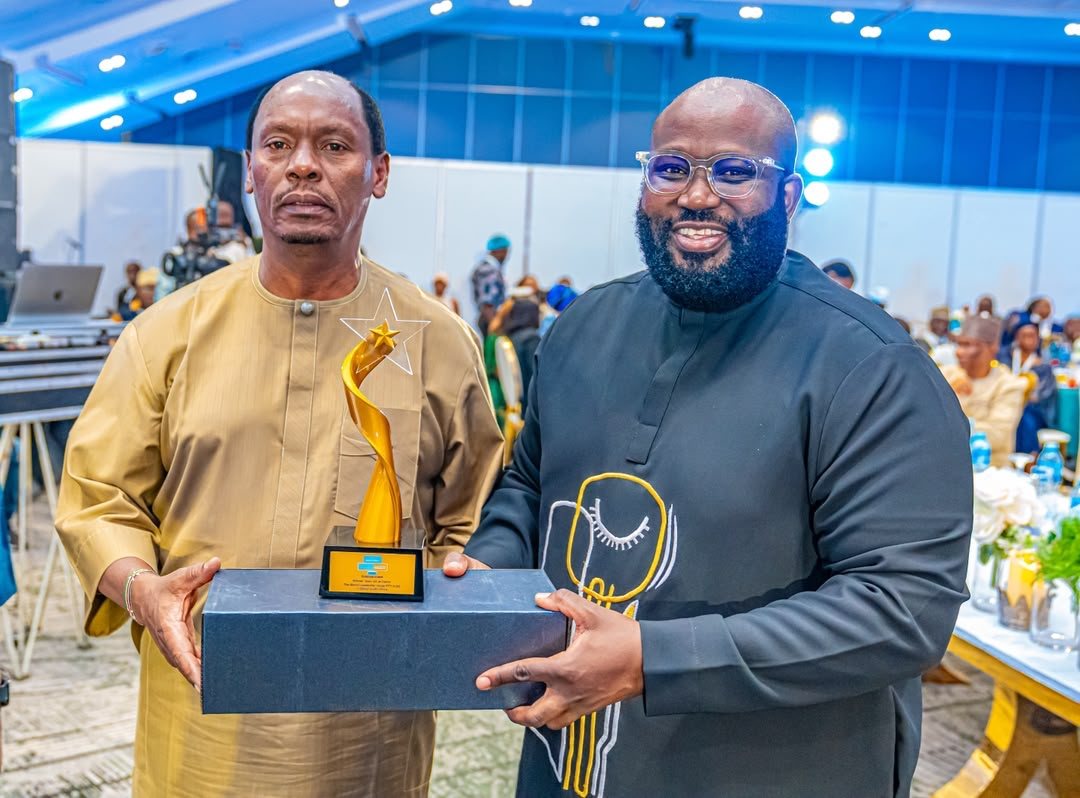
Kenya's public relations industry is calling for stricter professional standards, enforceable ethics and formal regulation of communication practice, warning that misinformation, deepfakes and political propaganda are eroding public trust in institutions, according to KBC.
The push follows the adoption of the Abuja Declaration on Responsible Communication at the 13th World Public Relations Forum in Abuja, Nigeria. Practitioners from more than 126 countries signed up to the document on November 22.
The declaration sets out 12 principles meant to guide the profession at a time when artificial intelligence, digital platforms and information manipulation are reshaping how the public receives news and messages.
From image management to public interest
Industry players want public relations to move away from serving mainly as a tool for corporate image-building and government publicity. Instead, they say, the profession should be accountable, with truth, transparency and the public interest at its core.
Arik Karani, president of the Public Relations Society of Kenya (PRSK) and of the African Public Relations Association, said communicators must accept a growing duty to protect the integrity of information and help restore public confidence.
He said the declaration aims to widen the role of communication professionals beyond their employers and clients. "Their responsibility must extend to society, particularly where private interests conflict with the public good," Karani said, according to KBC.
Karani cautioned that communication can either bring societies together or split them apart, build or destroy trust, and support peace or stoke conflict.
What the declaration demands
The document calls for the professionalisation and regulation of public relations, along with enforceable codes of ethics. It also proposes sanctions for practitioners who knowingly spread falsehoods for political, commercial or personal gain.
Among its key provisions:
- Rejecting the use of public relations for propaganda, spin or manipulation.
- Recognising responsible communication as an 18th Sustainable Development Goal.
- Requiring human oversight of AI, disclosure of AI-generated content and rejection of deepfakes and algorithmic bias.
- Disclosing funding, sources, interests and conflicts of interest, correcting errors promptly and protecting whistleblowers.
- Ensuring environmental, social and governance claims are honest and verifiable, to counter greenwashing.
- Encouraging greater participation of women, young people and students, and inclusive communication that respects indigenous languages and marginalised communities.
Governments are urged to protect freedom of expression, media freedom and access to information. Businesses are asked to be honest with consumers, investors and staff, while media houses and digital platforms are challenged to put truth ahead of virality and accountability ahead of engagement.
The declaration also asks universities and other learning institutions to include communication ethics, media literacy and AI literacy in their curricula.
Government weighs in on trust
Information, Communications and the Digital Economy Cabinet Secretary William Kabogo said public confidence underpins effective governance, security and economic growth.
He argued that where trust in institutions is low, rumours spread, grievances deepen and investment slows. Where citizens trust the state, he said, they take part in decisions and cooperate with security agencies.
Kabogo pointed to Kenya's National Communication Policy, which KBC reports was adopted in August 2026. The policy requires ministries, departments and agencies to share timely, accurate and consistent information, address public concerns before they escalate and set up channels for citizens to seek clarification and give feedback.
Under the policy, major government projects must also build communication strategies into their plans from the outset.
A growing AI challenge
The declaration comes amid concern that digital platforms can spread false information faster than institutions can verify and correct it. Deepfake videos, voice impersonation and fabricated content are increasingly able to mislead audiences and damage reputations.
Besides Karani, the document was endorsed by Dr Ike Neliaku, president of the Nigerian Institute of Public Relations and chairman of the APRA Council, and Professor Justin Green, president and chief executive of the Global Alliance for Public Relations and Communication Management.
This story was prepared by the Hamasta Newsdesk with AI assistance, based on reporting by KBC. Read the original report. Photo: KBC.
Every moment, captured beautifully.
Events, corporate portraits, products and editorial shoots by our newsroom photographers.






Read also

Ruto defends 2024 Finance Bill, blames misinformation for deadly Gen Z protests
.jpeg)
ARTIFICIAL INTELLIGENCE IN THE EMPLOYMENT SPACE

Ruto Receives Global PR Lifetime Achievement Award at Ceremony in Abuja
CAF backs Infantino's FIFA re-election bid as rival Diallo attends Abuja assembly

Nigeria records first Ebola case in Abuja as regional outbreak widens
Global Community Remarks
0