
Trump calls pre-midterm GDP figures 'fake', demands immediate investigation
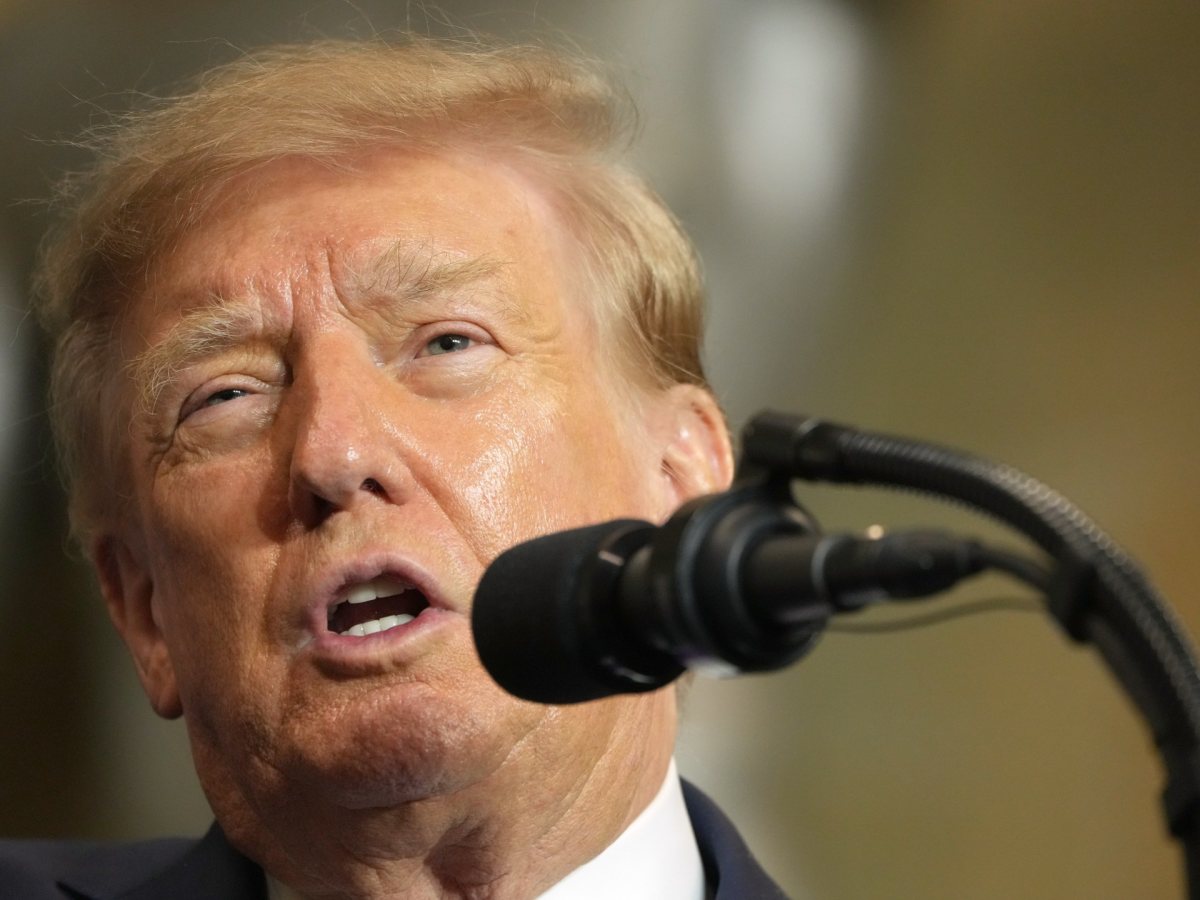
United States President Donald Trump has accused his own Commerce Department of deliberately publishing inaccurate economic growth figures ahead of the midterm elections, and has called for an investigation, according to Al Jazeera.
The president offered no evidence to back the claim. He made it in a post on his Truth Social platform on Thursday, when government offices and stock markets were shut for the Thanksgiving holiday.
What changed in the numbers
His complaint followed a revision by the Commerce Department's Bureau of Economic Analysis (BEA) on Wednesday. The agency raised its estimate of annualised third-quarter growth to 4.3 percent, up from the 3.4 percent it reported in its first estimate on October 29.
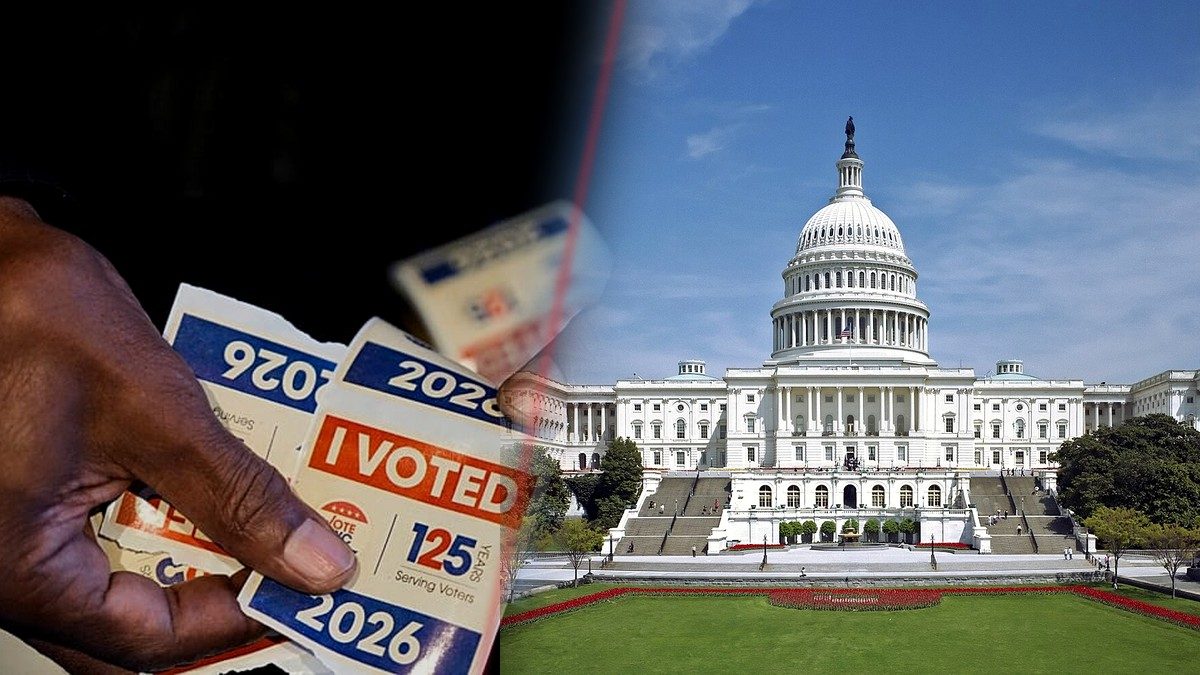
That earlier figure came out days before the November 3 elections, in which Trump's Republican Party suffered heavy losses.
In his post, Trump questioned why the higher figure had not been published before voters went to the polls.
"This is not a small error, this is a massive, and purposeful, error," Trump wrote.
Revisions are routine
The BEA regularly revises its data as more complete information becomes available. Gross domestic product (GDP) estimates, monthly employment reports and other official statistics are all updated in this way, on a timetable that is set in advance and does not take account of the political calendar.
The agency did not immediately respond to a request for comment, Al Jazeera reported. It has previously explained that its first quarterly growth estimates can differ from later figures because they are compiled before full data is available on inventories, trade and household spending on services.
A paper published in May and co-written by BEA Director Vipin Arora found that, over this century, GDP estimates issued 90 days after the initial figure have typically differed by 0.52 percentage points.
Arora and his co-author, Rebecca Pocase, wrote that across 25 years, fuller source data had moved the agency's growth estimates up or down by roughly half a percentage point per quarter on average.
By that measure, the latest upward revision of 0.9 percentage points is larger than the typical adjustment, though revisions in either direction are a normal part of how the figures are produced.
A pattern of attacks on data
Trump has repeatedly sought to cast doubt on official economic statistics when they fall short of his descriptions of a historic economic boom, according to Al Jazeera.
Analysts warn that such attacks risk damaging confidence in data that businesses, financial markets and consumers depend on when making investment and spending decisions.
Last year, Trump dismissed a senior Department of Labor official after a weak jobs report, accusing her, also without evidence, of manipulating the numbers. That move deepened existing concerns about the quality and independence of economic data produced by the US federal government.
Unusually in this case, the president is objecting to figures that were later revised to show a stronger economy, arguing that the more favourable number should have been available before the vote.
Why it matters beyond the US
US economic statistics are closely watched around the world, including by investors and policymakers in emerging markets, as they influence global financial conditions. Questions over the reliability of those figures could therefore have effects well beyond American borders.
It was not immediately clear what form the investigation Trump has demanded would take, or who would carry it out.
This story was prepared by the Hamasta Newsdesk with AI assistance, based on reporting by Al Jazeera. Read the original report. Photo: Al Jazeera.


Take your event live to thousands.
Multi-camera live streams, panel discussions and digital broadcasts with professional crews.




More in International
See all
Elon Musk calls record $446m midterm spending foolish after Republican losses

Trump to host third private dinner for top holders of his $TRUMP meme coin
Americans vote in Trump midterm test: 55 million early ballots, 1,000 federal monitors and a first Democratic flip in Guam
Americans vote tomorrow in midterms that will decide Congress for Trump's last two years as polls favour Democrats
Results watch: Polls begin closing in US midterms as Democrats chase three House seats and four in the Senate to seize Congress from Trump

Global Community Remarks
0