
UN projects zero growth in global maritime trade for 2026 as chokepoints come under strain
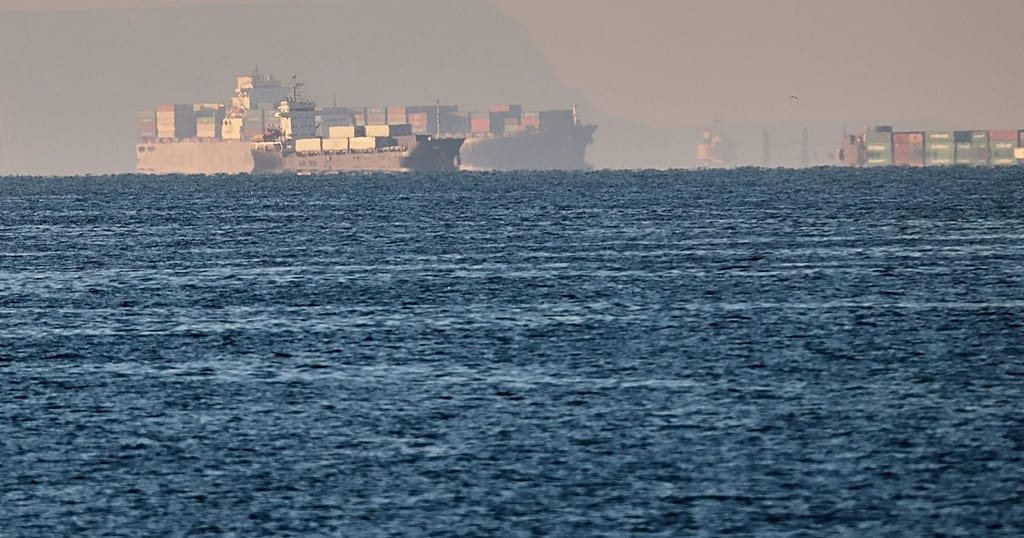
Global maritime trade is expected to show no growth at all this year, the United Nations trade and development agency has warned, citing geopolitical uncertainty that is disrupting the world's most important shipping routes.
In its Review of Maritime Transport 2026, released on Thursday, UNCTAD said turbulence across major sea lanes and chokepoints was stalling seaborne trade, according to Africanews.
The projection follows a marked slowdown last year. Seaborne trade reached 12.3 billion tonnes in 2025, an increase of 1.9%, less than half the 3.9% growth recorded in 2024.
Four chokepoints under pressure
UNCTAD said four key maritime bottlenecks have come under strain since the start of the year:
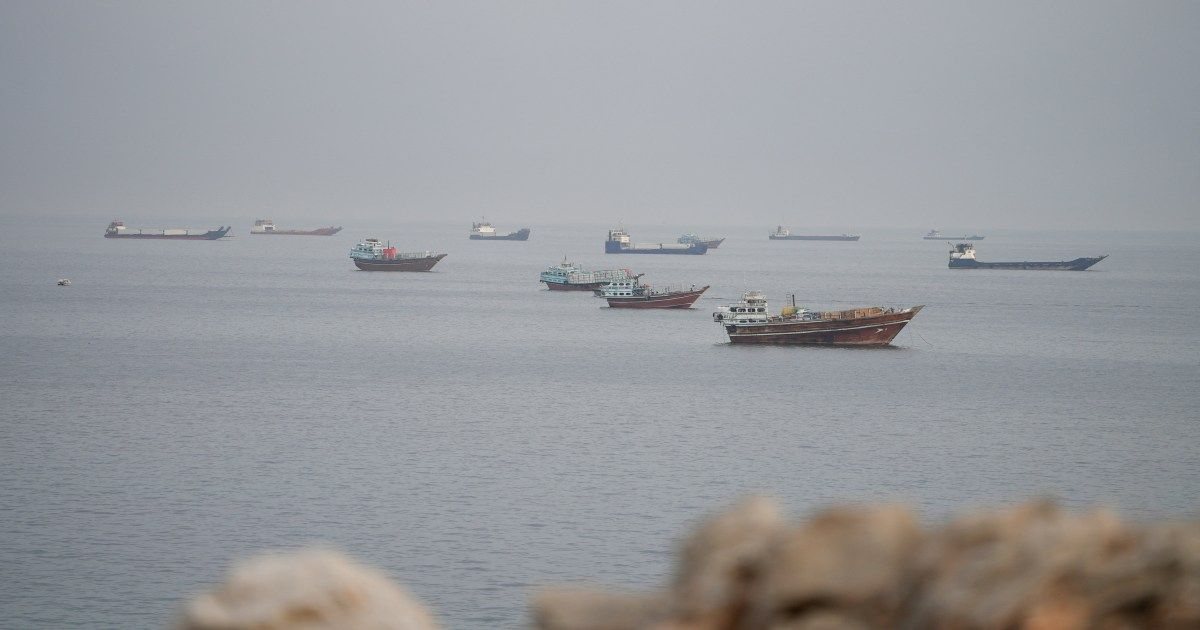
- the Strait of Hormuz
- the Red Sea
- the Black Sea
- the Panama Canal
Disruption at these points has forced ships onto longer routes, the agency said. The result has been extended transit times, higher fuel bills and congestion at ports, all of which add to uncertainty for traders and shippers.
The agency noted that alternative ports, inland transport networks and new logistics arrangements have helped keep goods moving. However, these workarounds have come at a higher price.
Freight rates more than double
According to the report, freight rates more than doubled in the period up to August, while crude oil tanker rates hit record highs on some routes.
UNCTAD said these increases are hitting vulnerable economies the hardest. It warned that if marine fuel prices remain high, rising shipping costs on their own could push consumer price inflation in the least developed countries to nearly twice the global average.
The stakes are high because more than 80% of goods traded around the world travel by sea, including essential supplies of food and fuel.
What it could mean for Kenya and the region
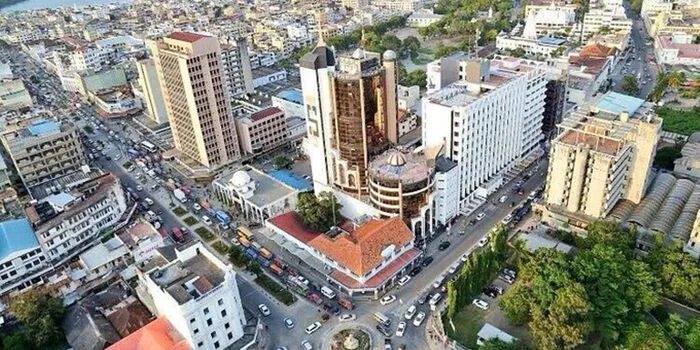
The findings are significant for import-dependent economies such as Kenya, which relies heavily on seaborne cargo through the port of Mombasa, a gateway that also serves several landlocked neighbours in East and Central Africa. Higher freight and fuel costs on international routes tend to filter through to the prices consumers pay for imported goods.
Call for resilience
UNCTAD urged governments and the shipping industry to work together to make the sector more resilient and sustainable. It called for that effort to cover port and shipping planning, operations and investment.
The agency also stressed the need to protect freedom of navigation and the safety of seafarers as disruptions continue to affect key routes.
The report paints a picture of a global trading system that is still functioning but under growing strain, with longer journeys and rising costs threatening to deepen inflationary pressure in the countries least able to absorb it.
This story was prepared by the Hamasta Newsdesk with AI assistance, based on reporting by Africanews. Read the original report. Photo: Africanews.

Tell your story on screen.
Commercials, documentaries, interviews and social video, from script to final cut.





More in Business
See all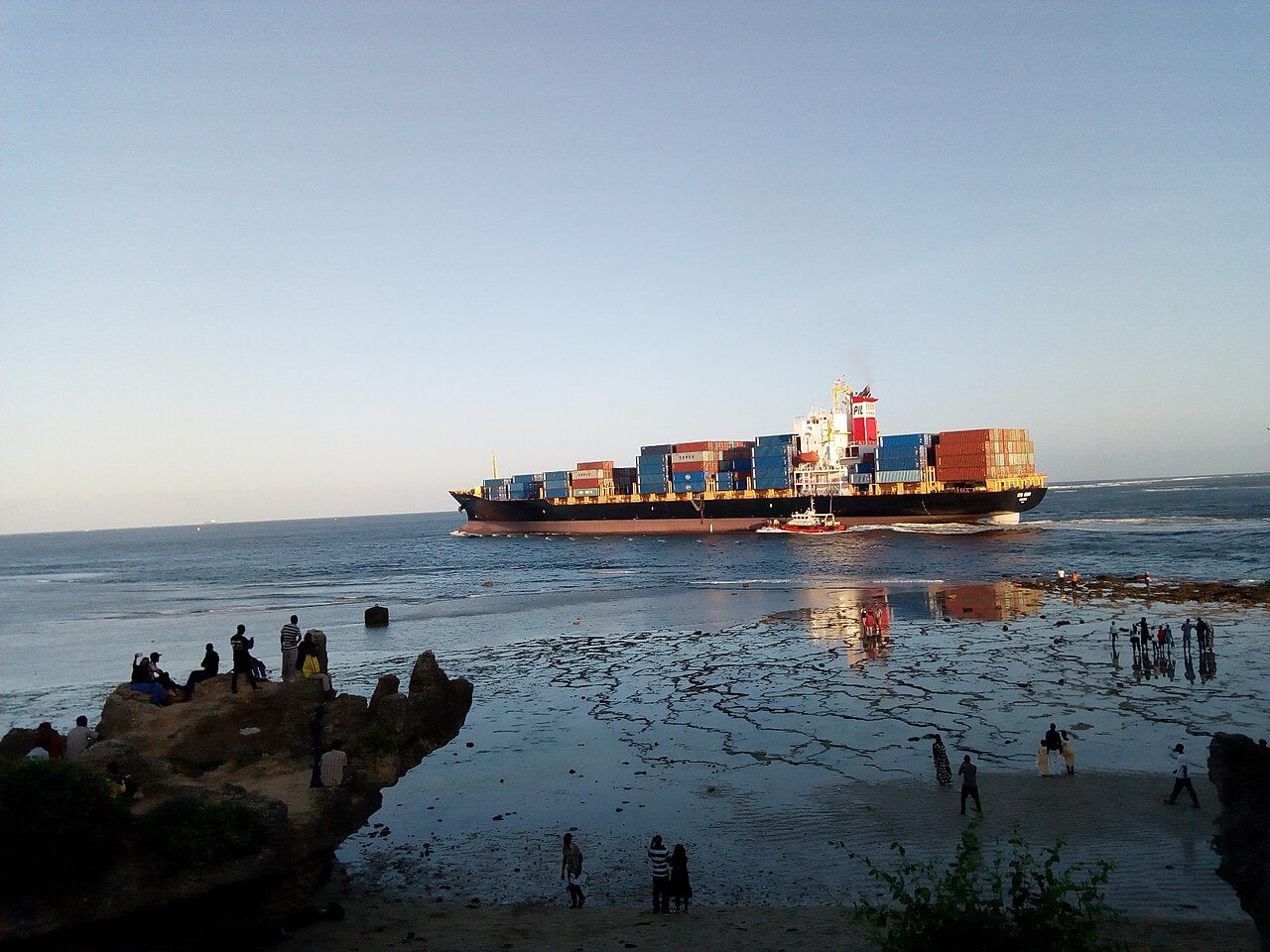
Global growth to slow to 2.6% in 2026, UNCTAD warns
Mombasa Picked as Headquarters of African Maritime Administrations Body
US maritime agency memo flagged Iran blockade's role in soaring Gulf shipping costs
Mombasa Port container traffic up 12% as Kenya wins African maritime headquarters

Meta reconsiders 2030 net-zero deadline as AI data centres push emissions up 45%

Global Community Remarks
0