
US maritime agency memo flagged Iran blockade's role in soaring Gulf shipping costs
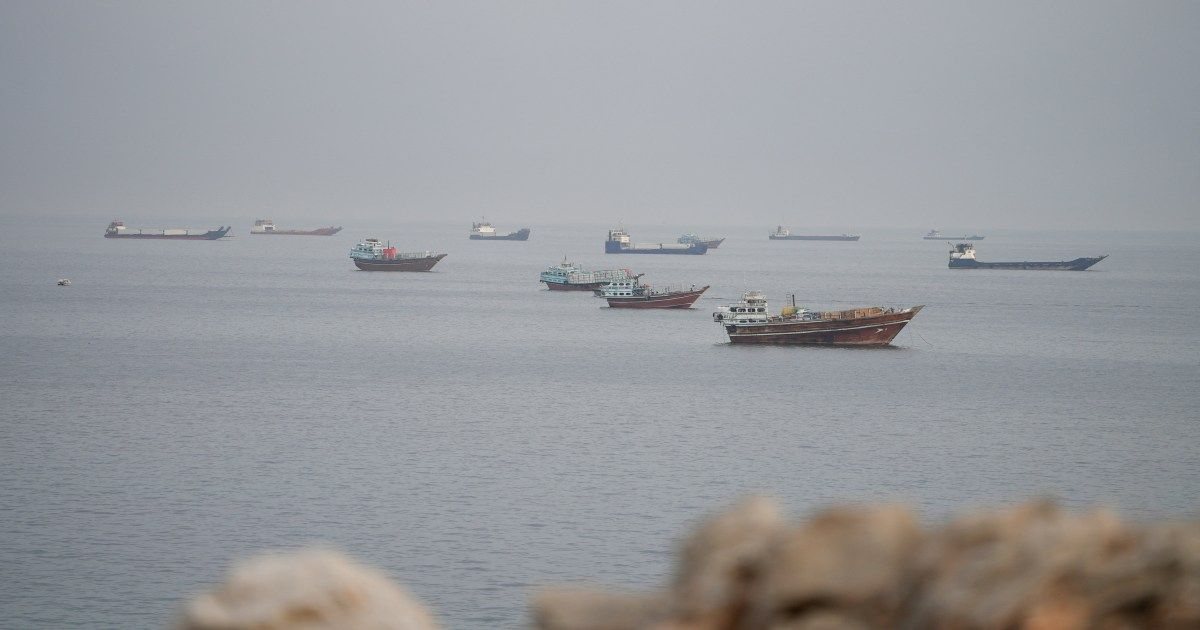
The United States' own maritime agency privately warned that Washington's naval blockade of Iran was worsening the strain on commercial shipping in the Gulf, pushing up insurance premiums and squeezing cargo capacity, according to internal documents obtained by Al Jazeera.
The US Maritime Administration (MARAD) circulated an alert after US Central Command (CENTCOM) said it had disabled the Panama-flagged bulk carrier Ocean Molica for trying to break the blockade. Three other tankers were hit in separate, unattributed attacks in and around the Strait of Hormuz at around the same time.
Threat spreading beyond the strait
The memo, headed "Alert – Hormuz risk expands beyond the strait", said the situation had escalated significantly because merchant vessels now faced military action from both sides, and the danger had extended to Gulf anchorages and the Gulf of Oman.
It warned this made further spikes in war-risk premiums, refusals by crews to sail and a contraction in available tanker capacity more likely.
MARAD administrator Stephen M Carmel forwarded the alert on October 12 to Michael Yarrington, an official in the agency's Office of Marine Insurance. In his email, Carmel asked how the insurance market was reacting and sought an update on MARAD's work to "rebuild" war risk insurance.
Yarrington responded that a colleague had contacted sources in London and shared a summary of rising premiums drawn from media reports. He also outlined what he described as "core deliverables" for the agency's war risk insurance work, though those details were redacted before release. It is not clear whether the alert was written within MARAD or by another agency.
Al Jazeera obtained the documents through a Freedom of Information Act request. MARAD, the US Department of Transportation, the White House, the Department of Defence and CENTCOM did not respond to requests for comment.
Experts question planning
Todd Huntley, a retired US Navy captain who heads the National Security Law Program at Georgetown University Law Center, told Al Jazeera that MARAD usually issues general threat alerts rather than discussing consequences such as insurance costs. He suggested the agency's monitoring was probably intended to guide advice to other parts of government.
Huntley said he believed some US officials had either overlooked or disregarded the risk when the blockade was ordered. "To me, it was pretty obvious this was a likely development," he said, citing Iran's past actions and threats.
Ian Ralby, founder and chief executive of maritime security consultancy I.R. Consilium, told Al Jazeera the administration appeared more focused on cutting off Iran's economic lifelines than on wider strategic considerations, and may have weighed the consequences but judged them unimportant.
Singapore-based independent researcher Boon Chuan Lim noted that ships at anchor, refuelling or approaching ports could also be exposed, though he stressed that insurance terms vary by vessel, route and length of exposure, so not every ship faces the same extra cost.
Mounting toll on shipping
Shipping in the region has been in turmoil since the US and Israel launched strikes on Iran on February 28. The International Maritime Organization (IMO) has recorded about 130 attacks on vessels, killing at least 25 seafarers. October was the worst month so far, with 35 ships targeted.
Most attacks have been blamed on Iran or allied forces, but CENTCOM has said it destroyed or disabled at least two dozen vessels, some of which it linked to a shadow fleet run by Iran's Islamic Revolutionary Guard Corps.
According to OPEC, insurance for a crude tanker sailing from the Middle East to East Asia rose roughly 200-fold between January and the end of October, to $12.29 per barrel. Industry estimates cited in Singapore's parliament put war risk cover at 3.5 to 7.5 percent of a ship's value as of July, compared with 0.10 to 0.25 percent before the conflict.
Crude oil prices have at times climbed as much as 60 percent during the war, while fertiliser prices have risen by up to 112 percent, increases closely watched by import-dependent economies, including in East Africa.
Political fallout
The disclosure comes as talks between Washington and Tehran have yet to produce a lasting settlement. Last week, President Donald Trump dismissed the need for a peace deal, days after suggesting the conflict could end soon.
Republicans suffered heavy losses in the November 3 midterm elections, a defeat widely linked to the war and higher fuel prices. Democrats have so far won 56 Senate seats and at least 257 seats in the House of Representatives.
This story was prepared by the Hamasta Newsdesk with AI assistance, based on reporting by Al Jazeera. Read the original report. Photo: Al Jazeera.




Show the impact of your work.
Impact stories, campaign videos and community engagement for NGOs and programmes.

More in International
See all
Tinubu asks Nigerian lawmakers to scrap jail terms for attempted suicide
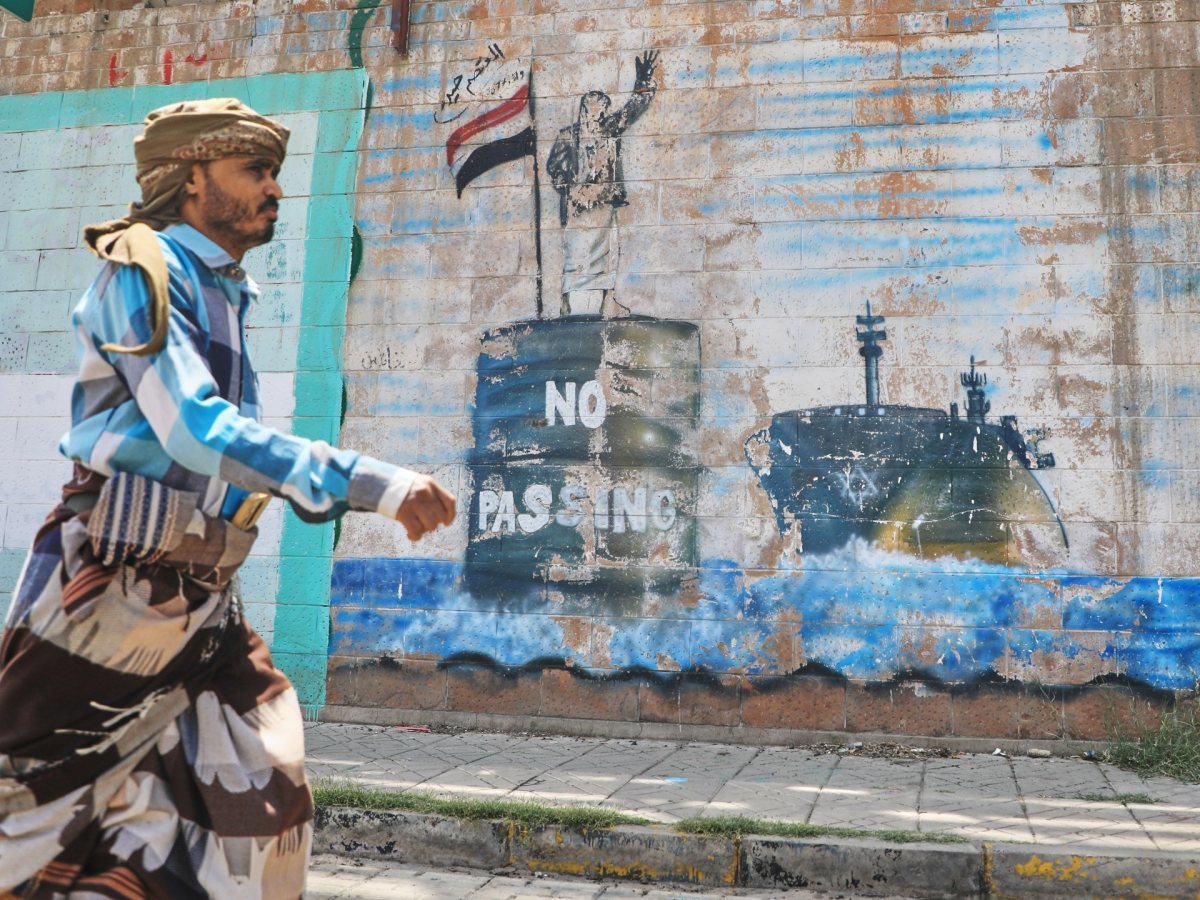
Contaminated petrol batters Yemeni drivers as prices and repair bills climb
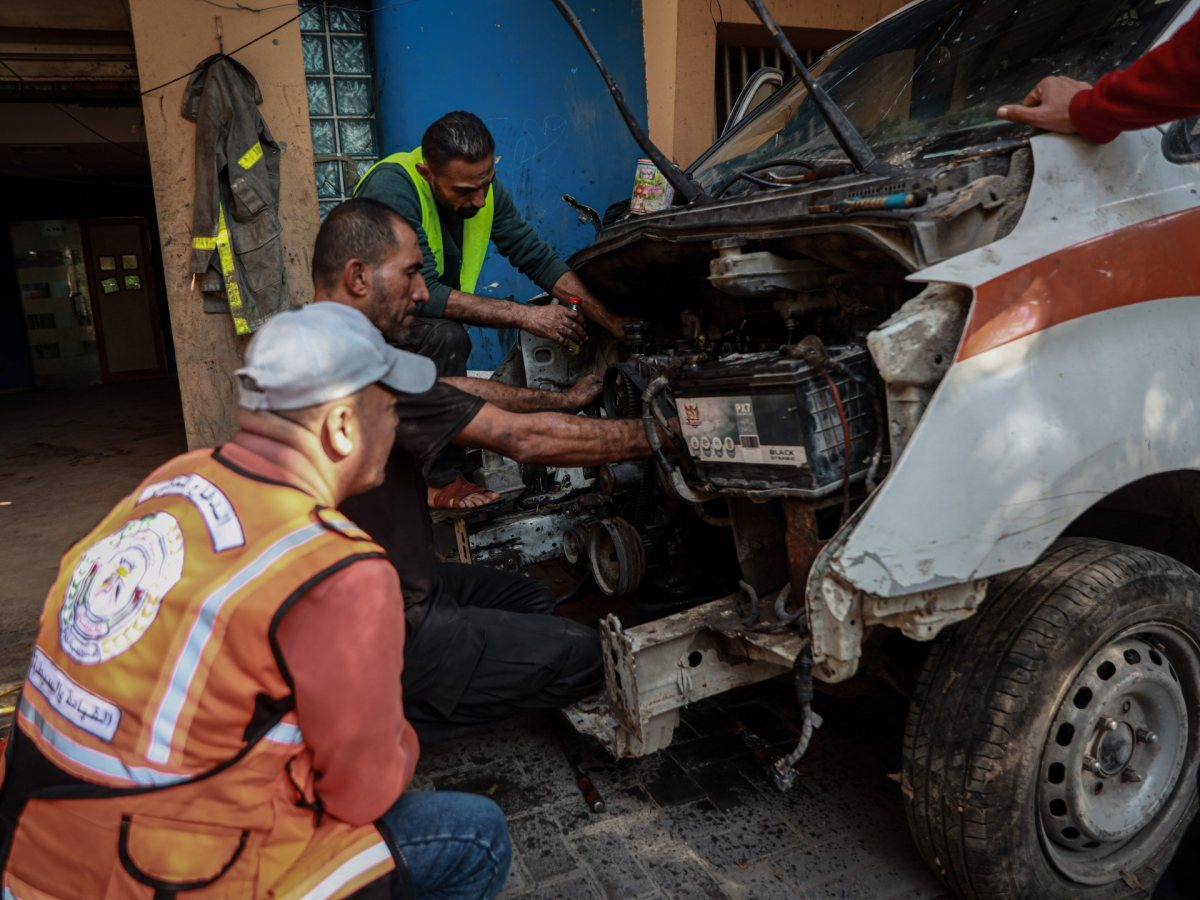
Gaza rescue crews run on foot as 85% of Civil Defence vehicles break down
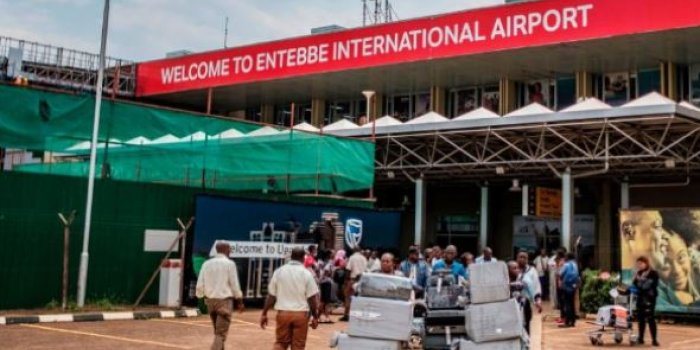
Uganda Tightens Ebola Travel Rules, Warns Airlines of Sanctions

UK and EU set to agree youth mobility scheme for 100,000 young people a year

Global Community Remarks
0