
Tinubu asks Nigerian lawmakers to scrap jail terms for attempted suicide
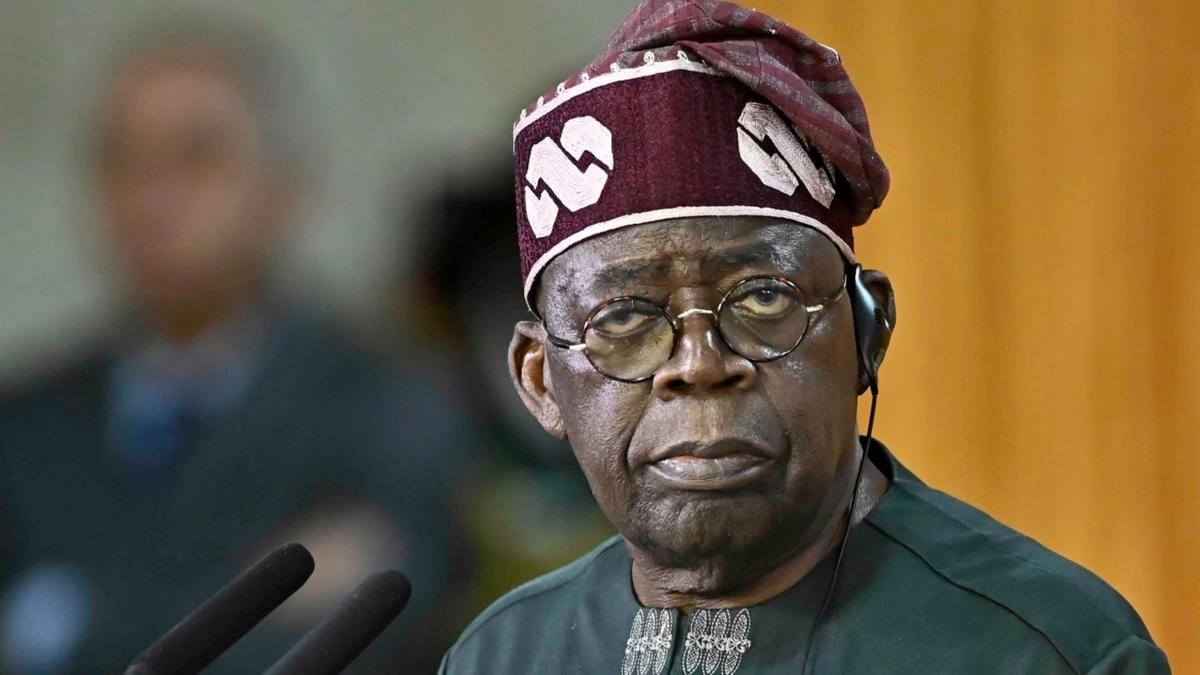
Nigerian President Bola Tinubu has asked parliament to decriminalise attempted suicide, proposing that people who survive such attempts be offered medical help rather than face criminal charges, according to BBC News Africa.
The proposal would move Africa's most populous country away from treating attempted suicide as a crime and towards an approach centred on treatment and rehabilitation.
Under current Nigerian law, attempted suicide is a criminal offence. Anyone convicted can be jailed for up to a year, fined, or both.
Parallel bill already in the Senate
The president's request comes as a separate bill with the same aim is already making its way through the Senate, where it has cleared its second reading.
That bill, sponsored by Senator Asuquo Ekpenyong, also seeks to replace criminal penalties with medical treatment, rehabilitation and support for survivors.
Ekpenyong has argued that the threat of prosecution may stop people struggling with suicidal thoughts from seeking help. He has also warned that fear of legal action and social stigma could push families to hide such incidents.
According to the senator, the current law may even lead some people to make sure an attempt succeeds so as to avoid being charged if they survive. He has insisted that the bill does not seek to legalise or encourage suicide attempts, but to protect those who survive them.
Senate President clarifies earlier stance
Senate President Godswill Akpabio has welcomed Tinubu's proposal, despite having previously suggested that survivors of suicide attempts should be imprisoned because the act remained a crime.
After receiving the president's request, Akpabio sought to clarify those remarks, saying they were not meant to apply to people living with mental health conditions. He said it would be insensitive to punish people whose actions were driven by such conditions.
Akpabio has since referred the president's amendment bill to the relevant Senate committee for further consideration.
Years of pressure from psychiatrists
The move follows a long campaign by mental health professionals for the law to be changed.
At a parliamentary public hearing in May 2024, Professor Taiwo Obindo, who was then president of the Association of Psychiatrists of Nigeria, called on lawmakers to remove criminal penalties for attempted suicide.
"Why do we, as a nation, then punish individuals who are ill and need medical attention rather than prosecution?" Prof Obindo asked.
Drawing on his clinical experience, he said most people who die by suicide have a history of mental illness.
Regional shift
Nigeria is one of several African countries where attempted suicide is still classified as a criminal offence, BBC News Africa reports.
Others in the region have already changed course. Ghana decriminalised attempted suicide in 2023, while in Kenya, the High Court ruled in January 2025 that the law criminalising attempted suicide was unconstitutional.
If passed, the reform would place Nigeria among the growing number of African states treating suicide attempts as a public health matter rather than a criminal one.
If you or someone you know is struggling, please reach out to a trusted health professional or a local mental health support service.
This story was prepared by the Hamasta Newsdesk with AI assistance, based on reporting by BBC News Africa. Read the original report. Photo: BBC News Africa.


Take your event live to thousands.
Multi-camera live streams, panel discussions and digital broadcasts with professional crews.




More in International
See all
US maritime agency memo flagged Iran blockade's role in soaring Gulf shipping costs

Contaminated petrol batters Yemeni drivers as prices and repair bills climb

Gaza rescue crews run on foot as 85% of Civil Defence vehicles break down

Uganda Tightens Ebola Travel Rules, Warns Airlines of Sanctions

UK and EU set to agree youth mobility scheme for 100,000 young people a year

Global Community Remarks
0