
Busia man gets 20-year jail term over Al-Shabaab and ISIS videos on his phone

A court in Busia has sentenced a man to 20 years in prison after finding him guilty of possessing terrorism-related material and gathering information meant to aid terrorist activities, according to KBC.
Allan Odhiambo, also known as Isaa Odhiambo, was convicted by Busia Chief Magistrate Nyaloti Ameyo on two counts under Sections 29 and 30 of the Prevention of Terrorism Act, 2012.
The magistrate, however, acquitted him of a third charge of being a member of a terrorist group.
Phone held more than 80 extremist videos
Prosecutors told the court that Odhiambo knowingly kept a mobile phone loaded with more than 80 videos associated with the Somalia-based Al-Shabaab and the Islamic State group, ISIS.
According to the prosecution, the footage included extremist propaganda, scenes of executions, terrorist training sessions and material designed to radicalise viewers and draw them into terrorism.
Forensic examination tied both the handset and its SIM card to Odhiambo, the court heard, showing that the content was stored on a device he controlled.
Expert witnesses also gave evidence that the videos promoted violent extremism and terrorist acts.
Prosecution relied on digital evidence
The case against Odhiambo rested on a combination of forensic, electronic and expert evidence presented by the prosecution, KBC reported.
In her ruling, Chief Magistrate Ameyo held that the prosecution had established beyond reasonable doubt that the accused knowingly possessed articles connected with the commission of a terrorist act.
She further found that he had collected information intended to facilitate terrorist activities, the second offence for which he was convicted.
Right of appeal
Odhiambo has 14 days within which to challenge both his conviction and the 20-year sentence.
The Prevention of Terrorism Act, 2012, is Kenya's principal law for prosecuting terrorism-related offences. Al-Shabaab has carried out a number of attacks inside Kenya over the years, and security agencies have repeatedly warned about online radicalisation and recruitment of young people.
The Busia ruling underscores the growing role of digital forensics in terrorism prosecutions, with material stored on personal devices increasingly forming the core of evidence presented in court.
This story was prepared by the Hamasta Newsdesk with AI assistance, based on reporting by KBC. Read the original report. Photo: KBC.

Tell your story on screen.
Commercials, documentaries, interviews and social video, from script to final cut.





More in Crime & Justice
See all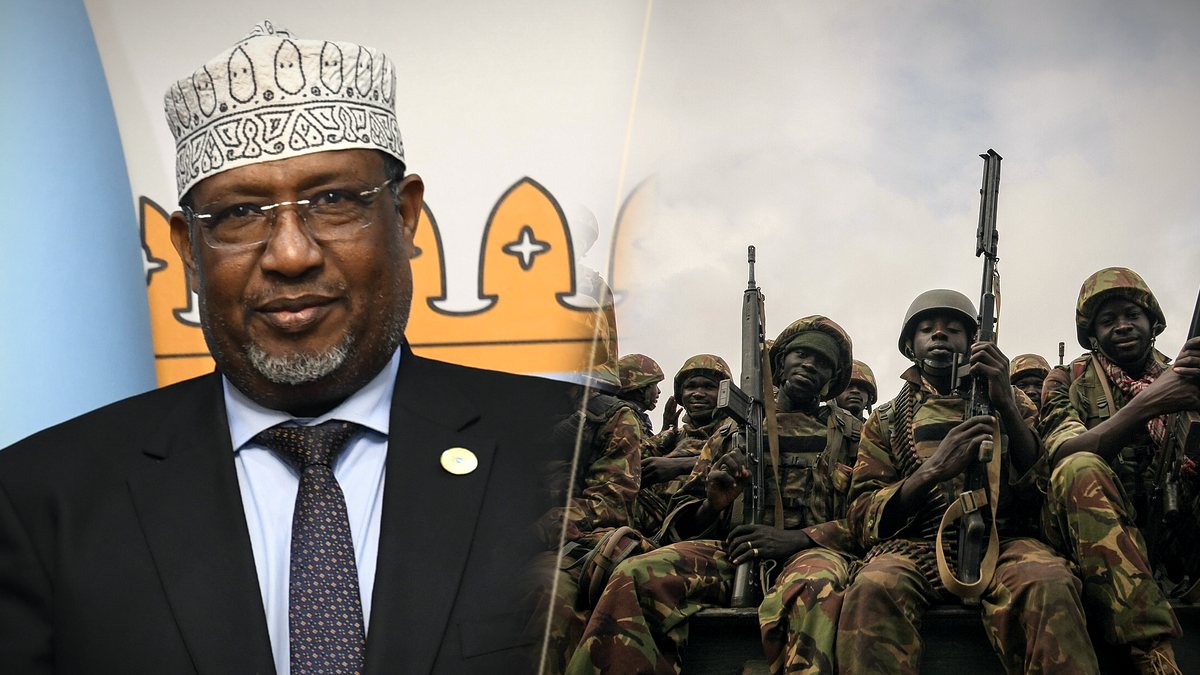
Somalia Speaker Accuses Kenya, Ethiopia, Uganda of Colluding With Al-Shabaab

US Reverses Course, Backs Another Year of Somalia Missions Against Al-Shabaab
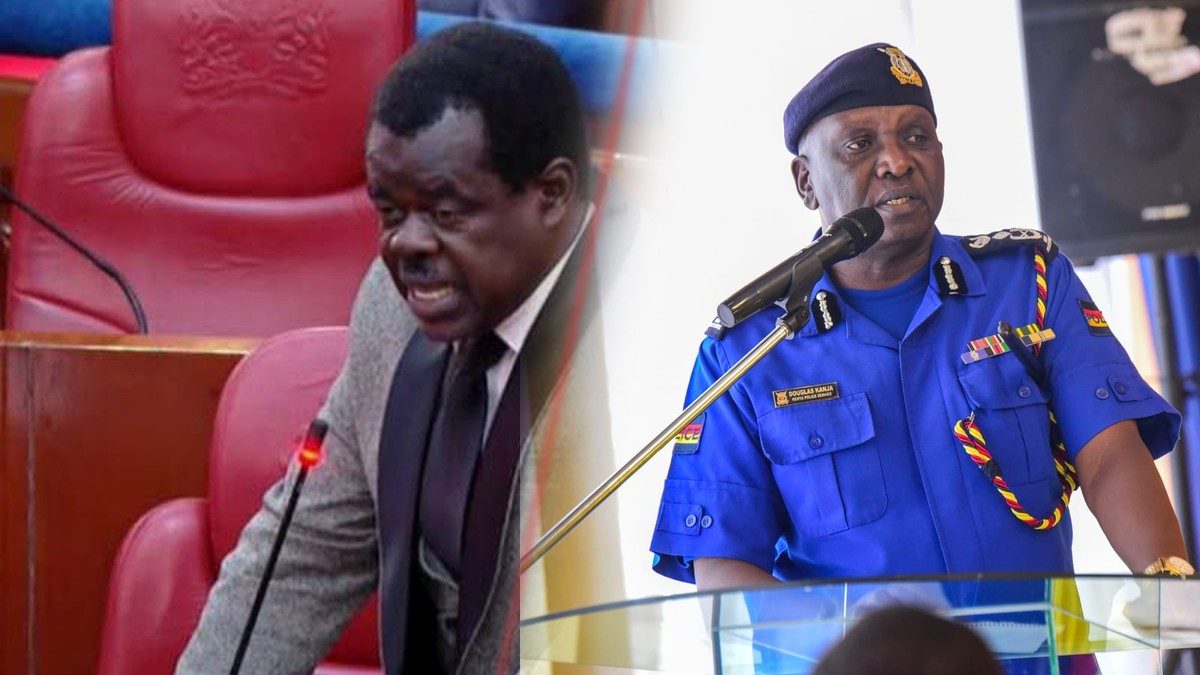
Dead or alive in 48 hours: Court orders IG Kanja to produce a Busia trader missing for 292 days, and tells the State to finally sign up to the anti-abduction treaty

Cheaper generic HIV prevention jab lenacapavir arrives in Africa, Uganda next

Six riders flee as detectives seize 100kg of bhang on Nambale-Busia Road
Global Community Remarks
0