
Cheaper generic HIV prevention jab lenacapavir arrives in Africa, Uganda next
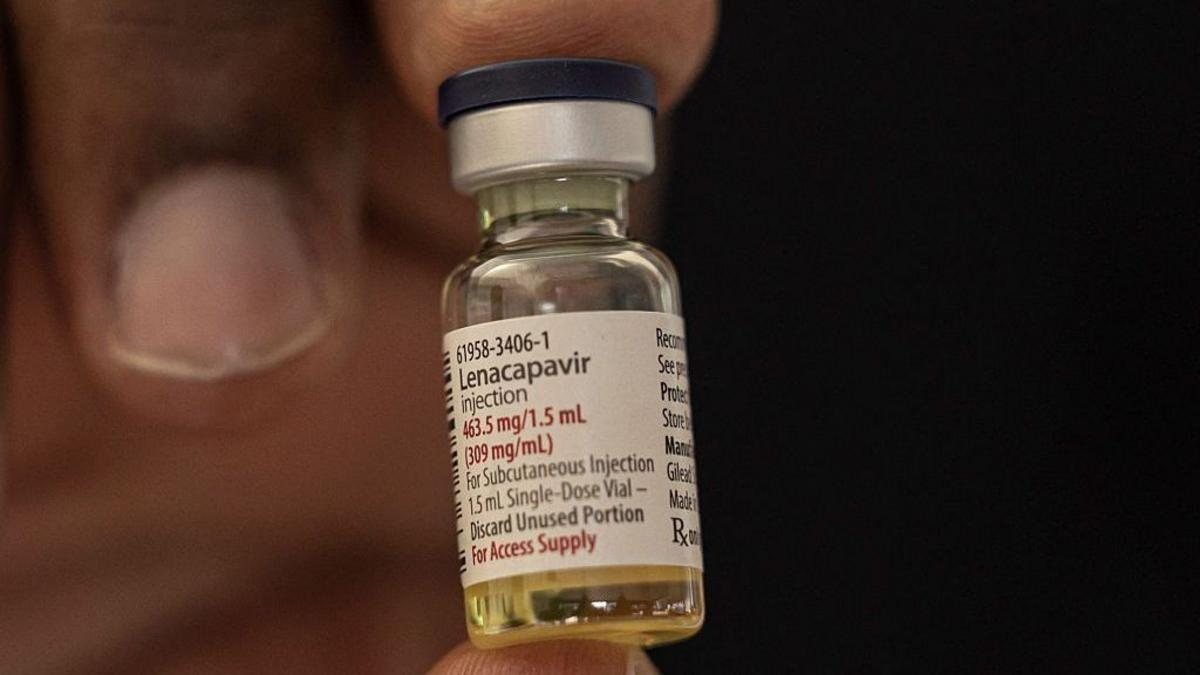
A low-cost generic version of lenacapavir, an injectable HIV prevention drug given just twice a year, has begun arriving in Africa. Supplies are expected in Uganda within days, according to BBC News Africa.
The first global consignment of the generic drug landed in Zambia on Wednesday, the Global Fund said. Uganda is next in line, while Zimbabwe is scheduled to receive stocks early next year. Several other countries are expected to follow.
The generic injection is projected to cost about $40 (£30) per person each year. The original version, made by US drugmaker Gilead Sciences, costs roughly $28,000 a year in the United States, a price far beyond most people in developing countries.
Near-total protection
Lenacapavir is almost 100% effective at preventing HIV infection, BBC News Africa reported. It attacks the protective protein shell that surrounds the virus, stopping HIV from multiplying and taking hold in the body.
In a major clinical trial in 2024, more than 5,000 adolescent girls and young women in Uganda and South Africa took part. None of those who received the injection became infected with HIV.
Health experts say the jab has a clear advantage over existing prevention pills, known as pre-exposure prophylaxis or PrEP. Those pills must be taken every day and can attract social stigma. An injection given only twice a year is far easier to keep up and more discreet.
The World Health Organization (WHO) recommended lenacapavir for HIV prevention in July 2025.
Rollout targets
The generic version is arriving only a year after Gilead's original product became available in sub-Saharan Africa.
The Global Fund called the shipments a "major breakthrough" in the fight against HIV. It said cheaper supplies would help reach millions more people at risk of infection.
According to the organisation:
- More than 189,000 people in 10 countries have already received their first lenacapavir injection.
- It expects 24 countries to have received supplies by the end of this year.
- Working with the US government, it aims to reach at least three million people by the end of 2028.
- The drug is eventually expected to be available in 120 low- and middle-income countries.
Africa carries the heaviest burden
Sub-Saharan Africa is home to nearly two-thirds of everyone living with HIV worldwide. Adolescent girls and young women are disproportionately affected.
South Africa has the world's largest HIV-positive population, with close to eight million people living with the virus. It is among the countries due to receive the cheaper injection.
WHO figures show that about 41 million people around the world were living with HIV last year, and 570,000 died from HIV-related illnesses.
The report did not say whether Kenya is among the countries due to receive the generic jab, or when.
Aid cuts cast a shadow
The rollout comes at a difficult time for HIV programmes on the continent. There are fears that sweeping cuts to US foreign aid under President Donald Trump's administration could reverse decades of progress against the disease in Africa.
Many African countries depend heavily on international funding to pay for HIV prevention and treatment. That makes the arrival of a cheaper, long-acting option especially significant for national health systems under financial pressure.
This story was prepared by the Hamasta Newsdesk with AI assistance, based on reporting by BBC News Africa. Read the original report. Photo: BBC News Africa.


Take your event live to thousands.
Multi-camera live streams, panel discussions and digital broadcasts with professional crews.




More in Health
See all
UN warns funding cuts could reverse decades of progress against HIV and AIDS
Children and youth make up 55% of new HIV cases as Kenya targets paediatric gaps
UNAIDS warns new HIV infections could rise as international funding falls

Ageing with HIV: why health systems must prepare for older patients
.jpeg)
Fact-check: Memo claiming HIV surge at Tharaka University is fake
Global Community Remarks
0