
UN warns funding cuts could reverse decades of progress against HIV and AIDS
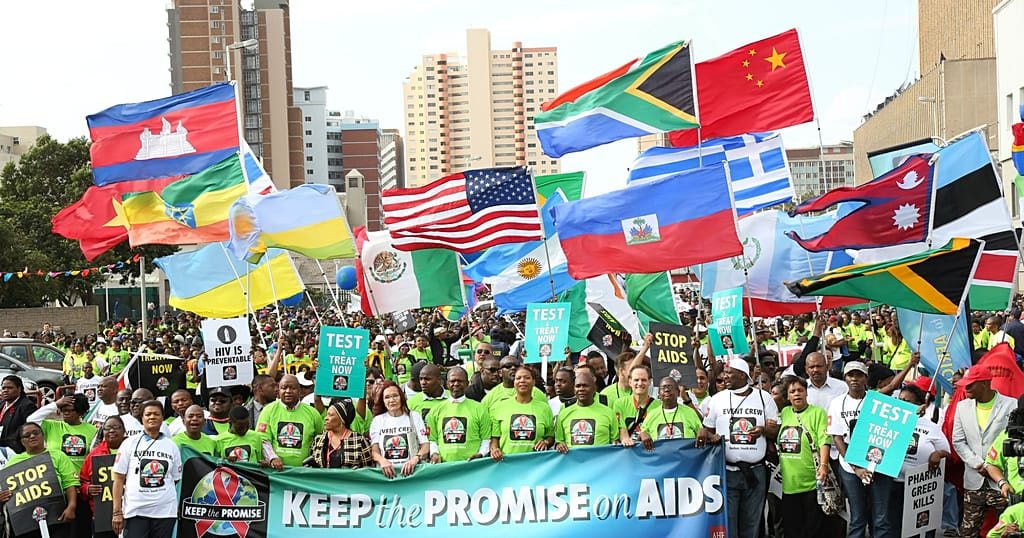
The United Nations has warned that shrinking donor funding is putting decades of progress against HIV and AIDS at risk, with the disease still killing about 1,600 people every day, according to Africanews.
In its annual report released on Tuesday, the UNAIDS agency said it expects data for 2027 to show new HIV infections rising for the first time in years, a reversal that would come after the world had appeared close to ending AIDS.
The agency said global efforts had brought the pandemic nearer to control, but warned that changes in funding and the disruption of services that followed now threaten those gains.
An 18 per cent cut in one year
UNAIDS Executive Director Winnie Byanyima said resources from European donors had been falling steadily, before what she described as a sudden, large cut from the United States.
Together, she said, the reductions amounted to an 18 per cent fall in funding last year, forcing many clinics to close.
Byanyima added that fewer people were now coming forward for testing, meaning many people living with HIV are unaware of their status and may be passing on the virus unknowingly.
"The world is sleepwalking into a preventable crisis," Byanyima said.
She warned that every closed clinic, every outreach worker who loses a job and every young woman denied prevention services could translate into new infections in the future.
Science advancing, solidarity faltering
HIV, the virus that attacks the immune system and causes AIDS, was once considered a death sentence. Life-saving medicines have since turned it into a manageable condition.
The report points to lenacapavir, an injectable drug given twice a year, along with other long-acting prevention tools still in development, as offering the prospect of shielding millions more people from infection.
However, Byanyima said scientific breakthroughs were being matched by what she called a political breakdown, as the global consensus and solidarity that helped push the disease back weakens. She argued that new medical advances only count if everyone can access them.
Africa expected to bear the brunt
According to the agency, the heaviest impact of the cuts is expected in sub-Saharan Africa, which remains the region most affected by HIV. More than 26 million people on the continent are living with the virus.
The UN noted that while some countries have managed to increase their own domestic spending on HIV, other African nations face impossible budget decisions, having depended heavily on external funding to run their programmes.
Governments moved quickly to protect HIV treatment services, the agency said, but prevention programmes and community-based systems have been badly hit.
Gains so far
The report shows how much ground has been won over the years. An estimated 570,000 people died of AIDS-related causes worldwide in 2025, down from 600,000 in 2024 and 1.3 million in 2010.
Drawing on data from 172 countries, UNAIDS estimated that 41 million people were living with HIV last year, of whom 32.1 million were receiving antiretroviral therapy. The agency noted that wider use of the treatment also lowers the risk of the virus being transmitted.
New infections stood at about 1.2 million in 2025, compared with 1.3 million the previous year and far below the peak of 3.5 million recorded in 1994.
The agency's warning, however, is that these hard-won improvements could unravel if the funding gap is not addressed.
This story was prepared by the Hamasta Newsdesk with AI assistance, based on reporting by Africanews. Read the original report. Photo: Africanews.


Take your event live to thousands.
Multi-camera live streams, panel discussions and digital broadcasts with professional crews.




More in Health
See all
KNH workers down tools over delayed pay and unremitted salary deductions
Hospital delays found in 83% of reviewed maternal deaths, Health ministry data shows
Kenya-UK Health Alliance shifts focus to local drug research and domestic financing
Disease surveillance and health staffing lead Public Health budget wish list
KNH Sets Phased Payment of Staff Dues as Workers Strike Over Deductions
Global Community Remarks
0