
Hospital delays found in 83% of reviewed maternal deaths, Health ministry data shows
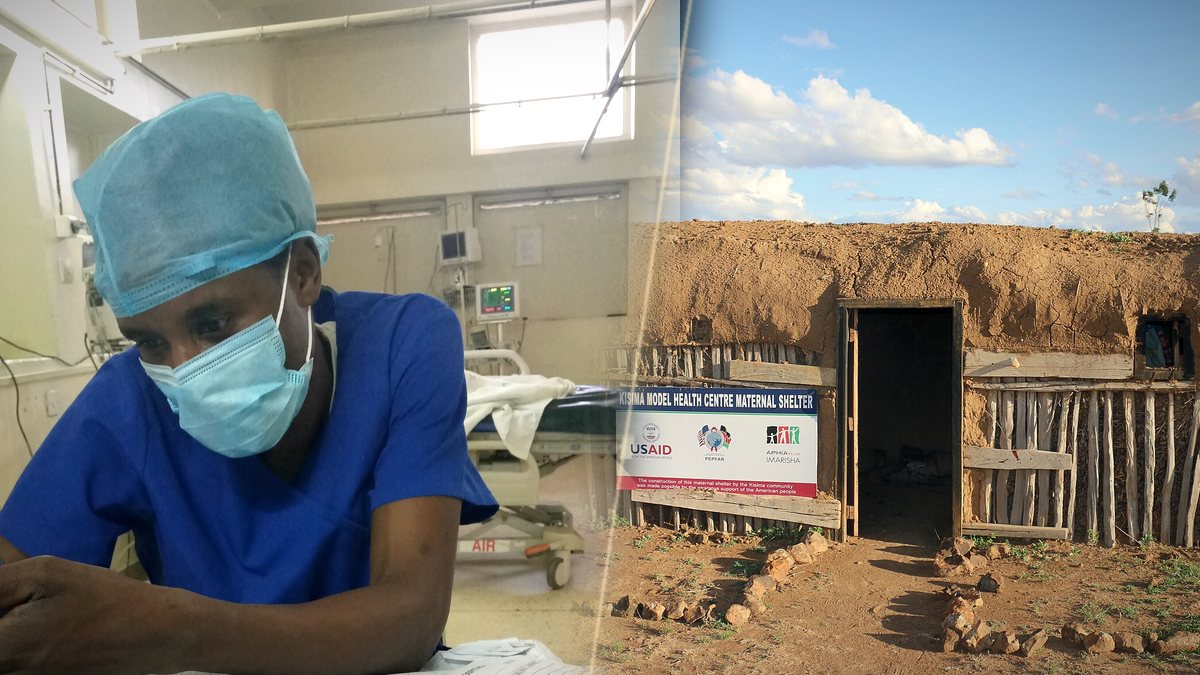
Delays in receiving treatment after arriving at health facilities were present in 83 per cent of maternal deaths reviewed in a Ministry of Health surveillance dataset, according to allAfrica Kenya, citing a Capital FM report.
The figures were presented by University of Nairobi researcher Dr Njoki Kimani at a Kenya Editors Guild forum in Nairobi on November 19. They point to shortfalls in staffing, essential medicines and emergency response, even as a growing share of Kenyan women give birth in hospitals.
Three kinds of delay
The analysis looked at three stages where delays can occur: deciding to seek care, reaching a facility, and getting appropriate treatment once there. Some deaths involved more than one type of delay.
Besides the 83 per cent linked to in-facility delays, 71 per cent of the deaths involved a delay in deciding to seek medical help, suggesting problems begin well before women reach hospital.
Dr Kimani said postpartum haemorrhage, or heavy bleeding after childbirth, remained the leading cause of death in the records studied. Facilities reporting staff shortages carried more than four times the risk of maternal deaths, while shortages of medicines, blood and blood products were also tied to higher risk.
Garissa and Nairobi were among counties facing significant delay-related challenges. Dr Kimani noted that Nairobi's facilities also take in patients from neighbouring counties, adding to the strain.
Government response
Medical Services Principal Secretary Dr Ouma Oluga said only 37 per cent of facilities offering delivery services could provide all seven basic emergency obstetric care functions.
He said the government was rolling out measures under the Every Woman Every Newborn Everywhere (EWENE) Acceleration Plan, including:
- Supplying essential medical supplies and obstetric and neonatal equipment to 635 facilities
- Setting up training and simulation centres
- Recruiting an additional 5,000 midwives
The plan, running from 2026 to 2028, aims to cut maternal mortality to 140 or fewer deaths per 100,000 live births by 2028. Dr Kimani said researchers were supporting the ministry's Rapid Results Initiative by analysing county data and building an accountability dashboard.
Dr Oluga also said 33.7 million Kenyans had registered with the Social Health Authority, data he said would help with planning and resource allocation. He urged expectant mothers to start antenatal care early, complete the recommended eight visits and attend postnatal check-ups, and asked broadcasters to dedicate daily airtime to maternal and newborn health.
Calls for sustained scrutiny
Kenya Editors Guild President Zubeidah Kananu urged journalists to track government promises, healthcare funding and staffing rather than covering only individual tragedies. She cited the September case of Mercy Kanini, a Juja mother who lost all five of her prematurely born babies, saying it raised questions about high-risk pregnancy management, specialised newborn care and referral systems.
Dr Hellen Barsosio of the Kenya Medical Research Institute said Kenya already had strong evidence on what works, but proven interventions were not reaching all women, or were reaching them too late. She called for more investment in health workers, medicines and county support.
Dr Wangui Muthigani of Savannah Global Health Institute said many women make initial contact with clinics but drop out before completing antenatal visits, missing chances for early diagnosis.
Dr Hussein Elias of Moi University and AMPATH Kenya highlighted transport, cost and equipment barriers in rural areas. He said a referral study found facility records showed only about 35 per cent of women with abnormal ultrasound results completing referrals, while follow-up interviews put the figure at roughly 70 per cent, exposing gaps in record-keeping and patient tracking.
The bigger picture
The 2025/2026 Kenya Mini Demographic and Health Survey put the maternal mortality ratio at 263 deaths per 100,000 live births, far above the Sustainable Development Goal target of under 70 by 2030.
The same survey showed facility deliveries rising to 91 per cent from 88 per cent in 2022, and women attending at least four antenatal visits increasing from 66 per cent to 72 per cent, suggesting access is improving faster than the quality and timeliness of care.
This story was prepared by the Hamasta Newsdesk with AI assistance, based on reporting by allAfrica Kenya. Read the original report.
Photos: David Nefasaulo / Wikimedia Commons (CC BY-SA 4.0); USAID in Africa / Wikimedia Commons (Public domain)





Show the impact of your work.
Impact stories, campaign videos and community engagement for NGOs and programmes.

More in Health
See all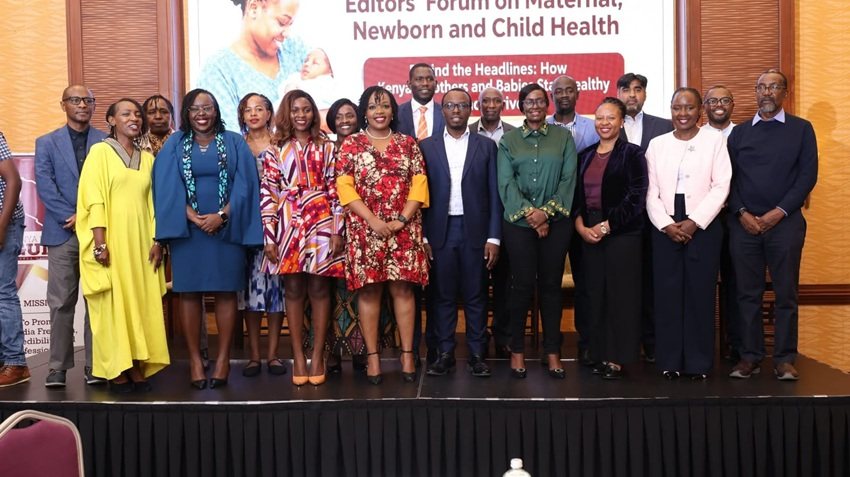
Oluga, Kananu urge newsrooms to dig deeper into maternal and newborn deaths

AU to unveil 2026–2030 roadmap to end preventable maternal and newborn deaths
PS Oluga urges media to help cut maternal and newborn deaths in Kenya

Sh10.4bn plan targets 21 counties and 200 hospitals to prevent 46,000 maternal and newborn deaths by 2030
Pregnancy deaths fall to 287 per 100,000 births and teen pregnancies drop to 11.9pc, new KNBS health survey shows
Global Community Remarks
0