
Pregnancy deaths fall to 287 per 100,000 births and teen pregnancies drop to 11.9pc, new KNBS health survey shows
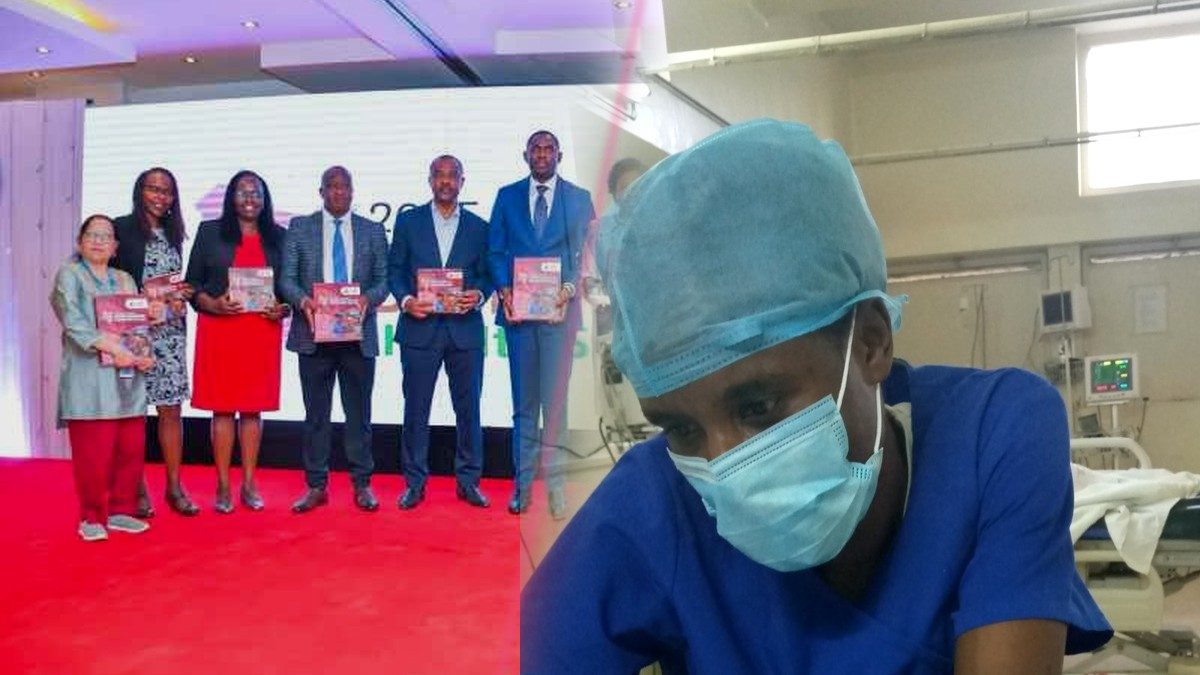
Fewer Kenyan women are dying from pregnancy and childbirth, and fewer teenage girls are getting pregnant, according to a new national survey released in Nairobi on Tuesday.
The 2025-26 Kenya Mini Demographic and Health Survey (KMDHS), conducted by the Kenya National Bureau of Statistics (KNBS) with the Ministry of Health, puts pregnancy-related mortality at 287 deaths per 100,000 live births. The 2014 Kenya Demographic and Health Survey recorded 362.
More women giving birth in hospital
The survey shows steady gains in maternal care compared with 2022:
- Deliveries in health facilities rose to 91 per cent from 88 per cent
- Births attended by skilled health workers rose to 92 per cent from 89 per cent
- Women making at least four antenatal visits rose to 72 per cent from 66 per cent
- Under-five mortality fell to 37 deaths per 1,000 live births from 41
"Behind every indicator is a person, a mother seeking better health care," said Dr Neema Kimambo, who spoke at the launch on behalf of the World Health Organization.
Teen pregnancies down, but poverty gap persists
The share of girls aged 15 to 19 who have ever been pregnant fell to 11.9 per cent from 14.8 per cent in 2022. Poorer girls are about three times as likely to get pregnant as girls from the wealthiest households, at 15 per cent compared with 5 per cent. West Pokot has the highest rate at 25 per cent, followed by Migori (23 per cent) and Kajiado (20 per cent). Isiolo and Makueni are among the lowest.
Kenya's fertility rate also fell, to 3.1 children per woman from 3.4 in 2022. Mandera has the highest rate at 6.8, followed by Wajir and Tana River. Embu (2.2) and Kiambu (2.3) have the lowest.
Unmet need for family planning
Family planning remains a gap. A third of sexually active unmarried women want to delay or avoid pregnancy but are not using contraception, compared with 20 per cent of married women. Overall contraceptive use slipped from 63 to 61 per cent, although implant use among married women rose to 23 per cent.
Acting KNBS Director General Benjamin Avusevwa said the survey serves as "a bridge" between the 2022 survey and the next full one. He said it would support policy and planning at both national and county level.
KNBS collected the data from about 30,000 households between November 2025 and February 2026. The survey is Kenya's first mini demographic and health survey and the eighth round of the series since 1989.
Photos: Benard Orwongo, The Standard (KMDHS launch); David Nefasaulo / Wikimedia Commons (CC BY-SA 4.0), Pumwani Maternity Hospital. Thumbnail design: HAMASTA MEDIA.




Show the impact of your work.
Impact stories, campaign videos and community engagement for NGOs and programmes.

More in Health
See all
Kenya discharges its first five Ebola survivors from KNH and Nairobi Hospital as 52 contacts wait out quarantine

Murang'a Level 5 Hospital opens new wards and outpatient complex as daily patients more than triple to 2,000

Stalled for a decade, JOOTRH cancer centre is 85 per cent done as MPs promise more cash to finish and equip it

Ebola: Kenya to free 46 quarantined contacts on Tuesday as five patients await second negative test

Veteran Nation correspondent Kitavi Mutua dies in ICU a week after snakebite at his Kitui home

Global Community Remarks
0