
Ebola: Kenya to free 46 quarantined contacts on Tuesday as five patients await second negative test


Kenya expects to release 46 people from Ebola quarantine on Tuesday, 3 November, after they finished the mandatory 21-day monitoring period without showing any symptoms, the Ministry of Health has said.
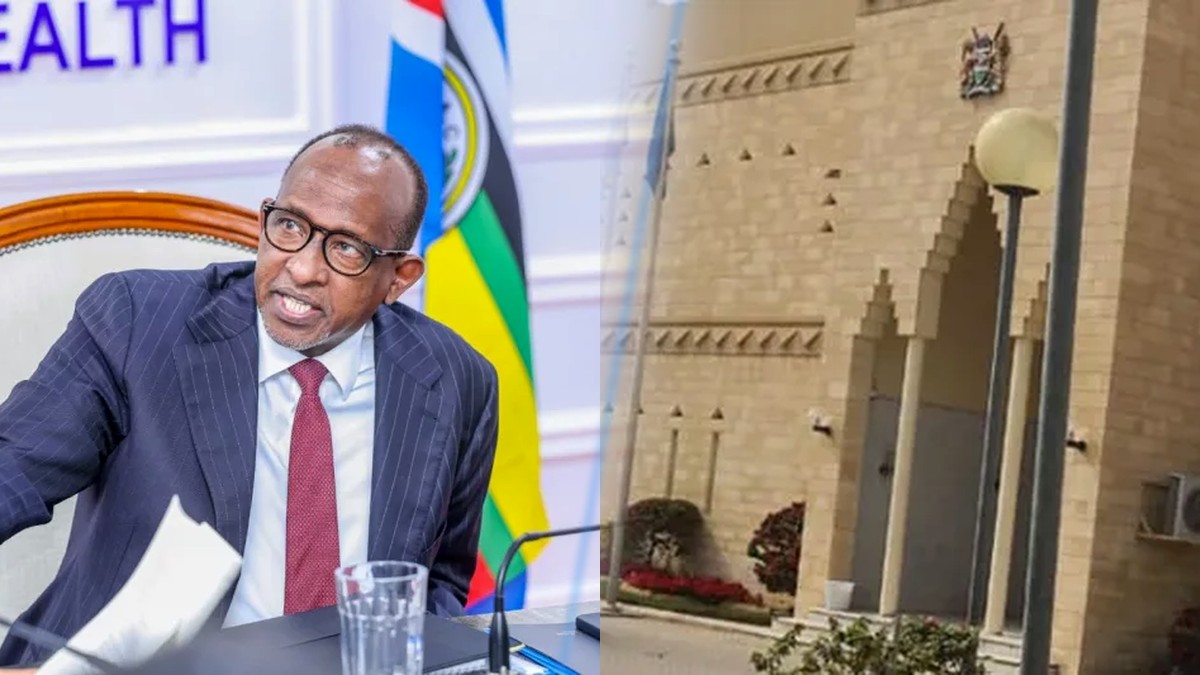
Health Cabinet Secretary Aden Duale said the government was hopeful that five of the seven patients still receiving treatment would be discharged on the same day. The five have already tested negative once and were scheduled for a second test on Monday before a final decision is made.
The first group of 20 contacts left quarantine on 26 October. If Tuesday's releases go ahead, 66 people will have completed quarantine. The ministry has said all remaining contacts should be cleared by 11 November.
Where the outbreak stands
- Kenya has confirmed nine Ebola infections, including two deaths.
- The first case was a Kenyan who travelled from the Democratic Republic of Congo through Uganda.
- The eight later infections were four health workers and four close relatives of the first patient.
- 135 contacts were identified and traced, and 118 of them were placed in quarantine.
- No new case has been confirmed since 19 October.
The outbreak involves the Bundibugyo strain of the virus. Duale said there is no evidence of spread beyond the known cluster. The government credits contact tracing, isolation, laboratory testing and tighter screening at points of entry. Duale has said Kenya can be declared Ebola-free once 42 days pass without a new case, under World Health Organization (WHO) rules.
Pressure on Saudi Arabia
The discharges come as Nairobi tries to get Saudi Arabia to lift restrictions it imposed on 30 October. Riyadh suspended all visas for Kenyan travellers, barred anyone who has been in Kenya in the previous 21 days and stopped its own citizens from visiting Kenya.
In a statement shared by Foreign Affairs Principal Secretary Korir Sing'oei, the Kenyan embassy in Riyadh called the measures "a blanket, punitive measure not supported by epidemiological evidence". It said the ban would hurt pilgrims, workers in the kingdom, students, trade and tourism.
Kenya has asked Saudi Arabia to give WHO its scientific reasons within 48 hours, as the International Health Regulations require, and plans to raise the matter with the Africa CDC. About 310,000 Kenyans live in Saudi Arabia, the largest group of Kenyan migrant workers in the Gulf.
WHO has praised Kenya's handling of the cluster. It advises surveillance, contact tracing and entry screening rather than travel bans.
Photos: Capital FM (Health CS Aden Duale); Paulina Zidi/RFI via Capital FM (Ebola response workers). Thumbnail design: HAMASTA MEDIA.

Tell your story on screen.
Commercials, documentaries, interviews and social video, from script to final cut.





More in Health
See all
Murang'a Level 5 Hospital opens new wards and outpatient complex as daily patients more than triple to 2,000

Stalled for a decade, JOOTRH cancer centre is 85 per cent done as MPs promise more cash to finish and equip it

Veteran Nation correspondent Kitavi Mutua dies in ICU a week after snakebite at his Kitui home
'Support, not isolation': Kenya protests Saudi Ebola ban, says outbreak is confined to one cluster with no new case since October 19

Sh10.4bn plan targets 21 counties and 200 hospitals to prevent 46,000 maternal and newborn deaths by 2030

KNH gets three refurbished orthopaedic wards and 136 new beds in Sh130m Adopt-a-Ward push
Global Community Remarks
0