
PS Oluga urges media to help cut maternal and newborn deaths in Kenya
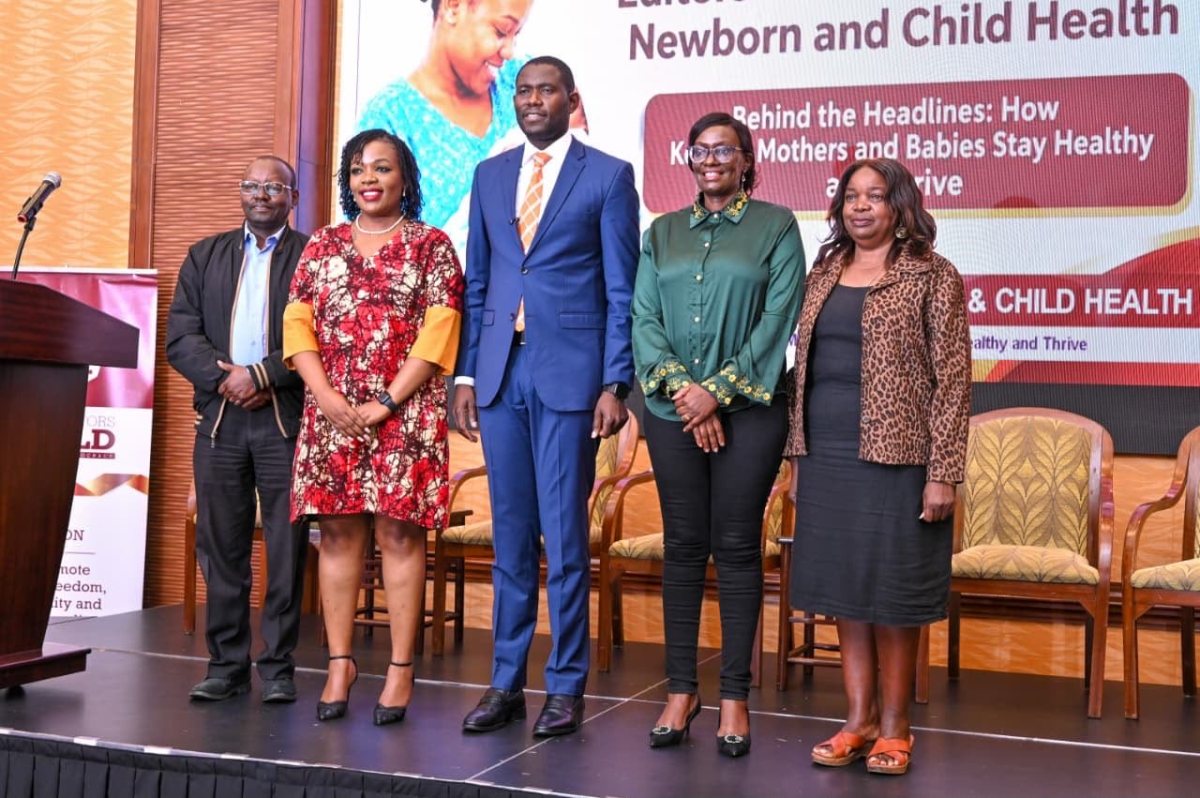
Medical Services Principal Secretary Dr Ouma Oluga has called on Kenyan media houses to play a bigger part in reducing preventable maternal and newborn deaths, urging journalists to look beyond the death toll and scrutinise the weaknesses in the health system behind it.
Speaking at an Editors' Forum on Maternal, Newborn and Child Health organised by the Kenya Editors Guild, the PS said closer cooperation between the Government and the press was needed to improve outcomes for mothers and children, according to KBC.
The forum ran under the theme "Behind the Headlines: How Kenya's Mothers and Babies Stay Healthy and Thrive."
Gaps in emergency obstetric care
Dr Oluga asked newsrooms to examine the systemic problems that contribute to deaths, including delays in referring patients, uneven access to essential services and shortfalls in emergency obstetric care.
He pointed out that just 37 per cent of health facilities that offer delivery services currently provide all seven basic emergency obstetric functions. The figure, he said, showed the need for targeted investment and stronger accountability in the sector.
According to the PS, public awareness, accountability and evidence-based reporting are key to cutting avoidable deaths and speeding up the rollout of the Every Woman Every Newborn Everywhere (EWENE) Acceleration Plan.
What the Government says it is investing in
Under the EWENE plan, the Government is putting money into several areas, KBC reported. These include:
- Essential commodities and obstetric and neonatal equipment for 635 health facilities
- Simulation centres and skills laboratories
- Training in emergency obstetric care
- Planned recruitment of 5,000 additional midwives
The PS added that the National Equipment Service Programme (NESP) is also working to close equipment gaps so that more mothers and newborns can access life-saving care.
SHA registration and digital health
Highlighting wider health reforms, Dr Oluga said 33.7 million Kenyans have now registered with the Social Health Authority (SHA). He said the registrations were improving evidence-based planning, the allocation of resources and the financing of healthcare.
He also stressed the importance of digital health systems in ensuring patients receive continuous care, and asked the media to encourage the public to register with SHA and to obtain national identification documents.
A daily minute for mothers
The PS urged broadcasters to set aside airtime for maternal and newborn health education. He said messaging should encourage expectant mothers to start antenatal care early, attend all eight recommended antenatal visits and keep their postnatal check-up appointments.
He proposed a short daily awareness slot on local radio and television stations as the media's contribution to the effort.
"Every morning, one minute awareness. It will speak louder than the headlines," Dr Oluga said.
He reaffirmed the Ministry of Health's commitment to sharing timely and accurate information with journalists to support informed reporting, constructive scrutiny and accountability across the health sector.
This story was prepared by the Hamasta Newsdesk with AI assistance, based on reporting by KBC. Read the original report. Photo: KBC.


Grow an audience that listens.
Social media management, digital campaigns and online storytelling that converts.



More in Health
See all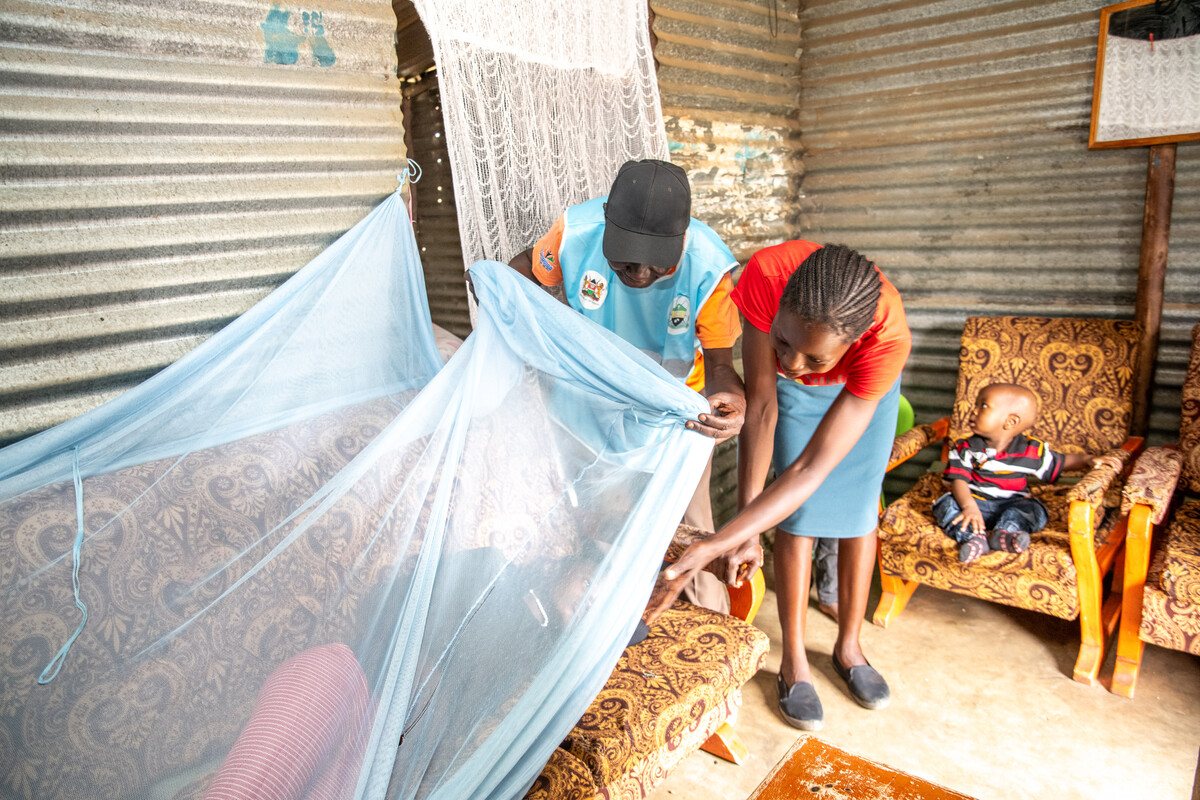
MoH begins distributing 10.8 million mosquito nets across 18 malaria-hit counties
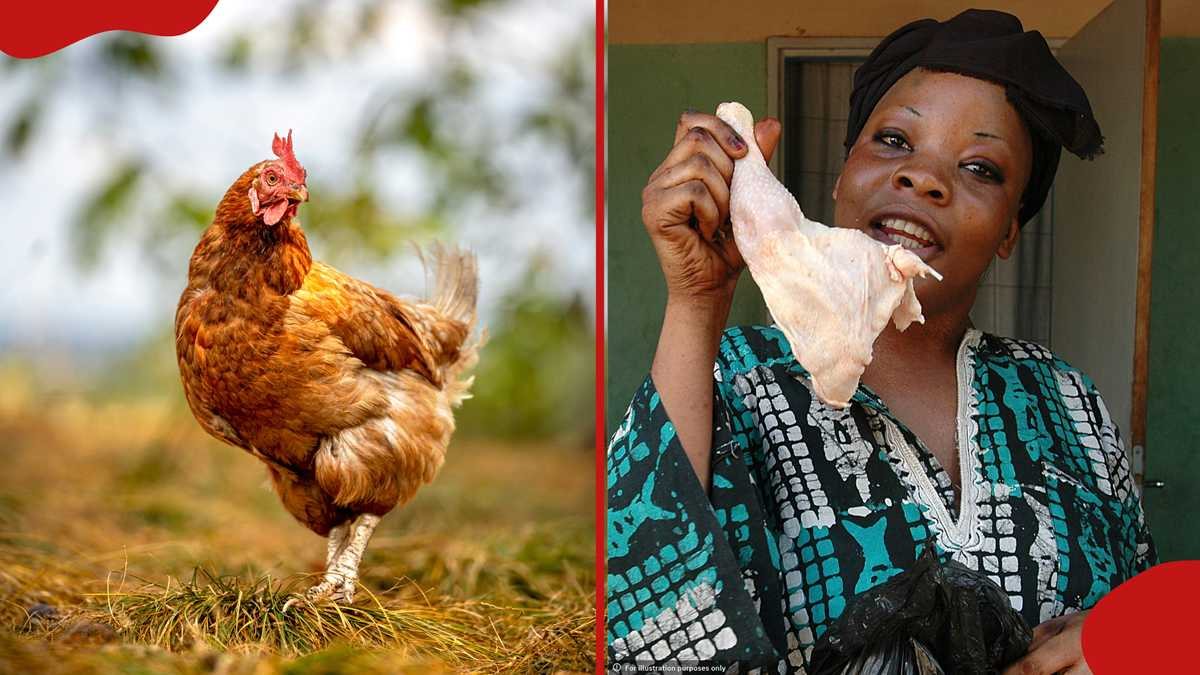
Most raw chicken sold in Nairobi butcheries carries harmful bacteria, KVA study finds
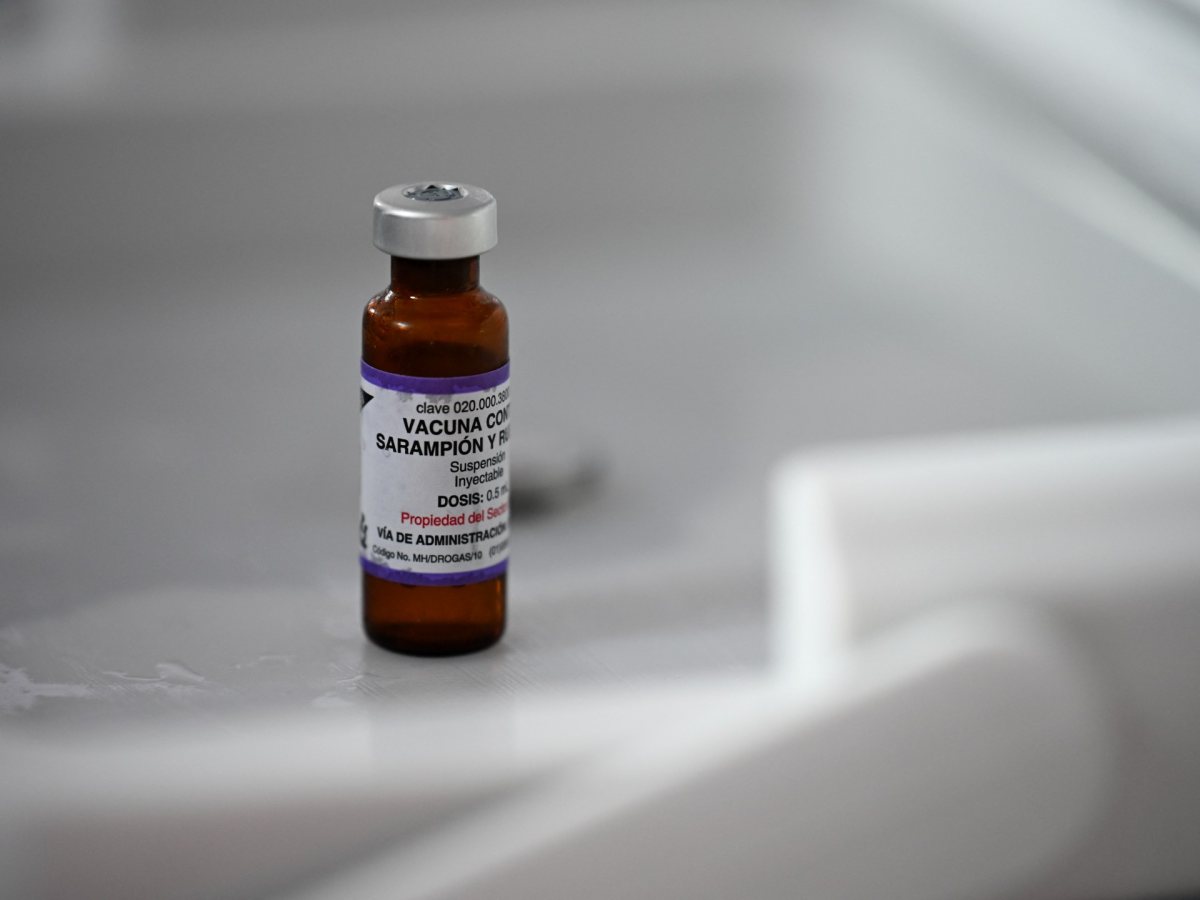
Unvaccinated Pennsylvania resident dies as US loses measles elimination status
SHA to stop paying medicine claims unless patients confirm receipt, Duale says

Ruto says SHA is shielding families from the crushing cost of illness
Global Community Remarks
0