
DRC Ebola burial teams face infection risk, attacks and stigma at home
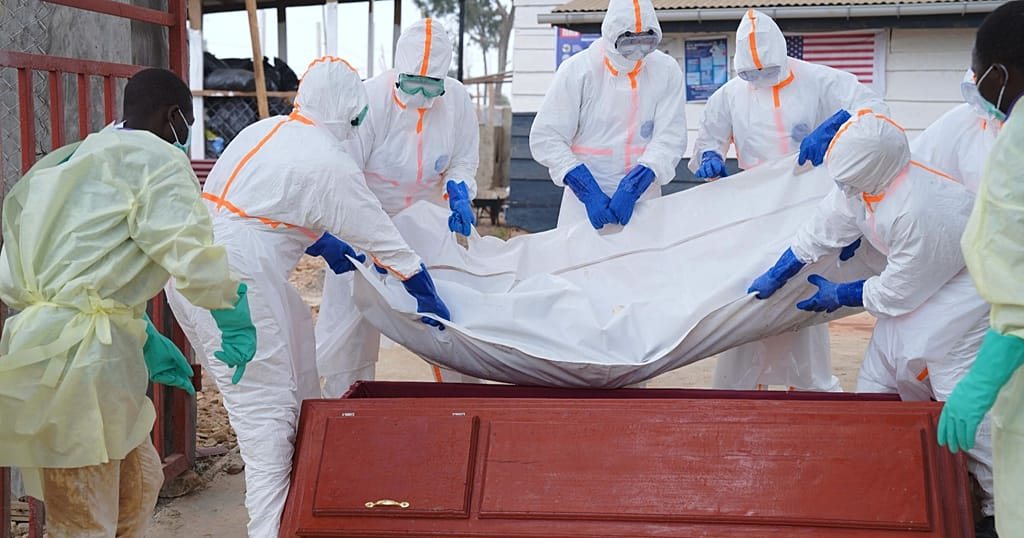
Teams responsible for safely burying Ebola victims in the eastern Democratic Republic of Congo are contending with infection risk, physical attacks and hostility from their own neighbours, according to Africanews.
The workers belong to the Dignified and Safe Burial (DSB) programme, which retrieves and buries the bodies of people who have died of Ebola to stop the virus passing to relatives and mourners. Their work comes as the outbreak, declared six months ago, remains out of control.
A deadly and fast-moving outbreak
Government data cited by Africanews shows more than 11,000 cases have been recorded, with close to half of those infected having died. The outbreak is the deadliest in the country's history and is on course to exceed the toll of the 2014–2016 West African epidemic, which killed 11,000 people.
When the outbreak was announced in mid-May, 43 deaths had already been logged, an indication that the virus had been spreading unnoticed for some time. It has since reached eight of the DRC's 26 provinces. Aid groups have compared its speed to that of a wildfire, and new hotspots keep appearing, putting further strain on an overstretched health system.
Community teams fill the gaps
To cover areas where DSB teams are absent, the programme has set up community-based units known as ECUMAIR, or Community Teams for Dignified and Safe Burial.
On 17 November, a burial team was preparing to collect the body of an Ebola victim in Kokola, near Beni. Jean Manina, who supervises DSB teams in the Oicha health zone, this week visited the local team in Erengueti to confirm that burial protocols were being followed, particularly to keep members from becoming infected while taking off their protective equipment.
Manina told Africanews that his day starts with checking a dashboard for alerts. Where an alert comes from a zone with an ECUMAIR team, he travels to observe their work; in the rest of the Oicha health zone, a mobile team based in the area is sent out instead.
Suspicion and false accusations
Beyond the health dangers and long periods away from their families, burial workers are at times attacked by residents who wrongly accuse them of mutilating bodies. The accusations stem from the samples teams take to establish whether Ebola caused a death.
Manina said hostility also follows workers home, with neighbours alleging that they are making money from the response and helping Westerners harm Congolese people. He rejected the claims, saying the teams are working to break the chain of transmission.
Women face added prejudice
Chimène Mwanaki, a member of one burial team, said women in the response face particular stigma. She told Africanews that people warn female workers they could infect their husbands or will never find anyone to marry them.
"They think we're the ones spreading Ebola—even though that's not the case," Mwanaki said.
Safe burials are considered a key tool in containing Ebola, as the bodies of victims remain highly infectious. The resistance and mistrust faced by burial teams highlight the challenge responders face in winning community cooperation as the outbreak continues to expand.
This story was prepared by the Hamasta Newsdesk with AI assistance, based on reporting by Africanews. Read the original report. Photo: Africanews.


Take your event live to thousands.
Multi-camera live streams, panel discussions and digital broadcasts with professional crews.




More in Health
See all
Ruto says SHA is shielding families from the crushing cost of illness
.jpeg)
MPs split over hospital detention ban as private-ward clause and promissory notes stir debate
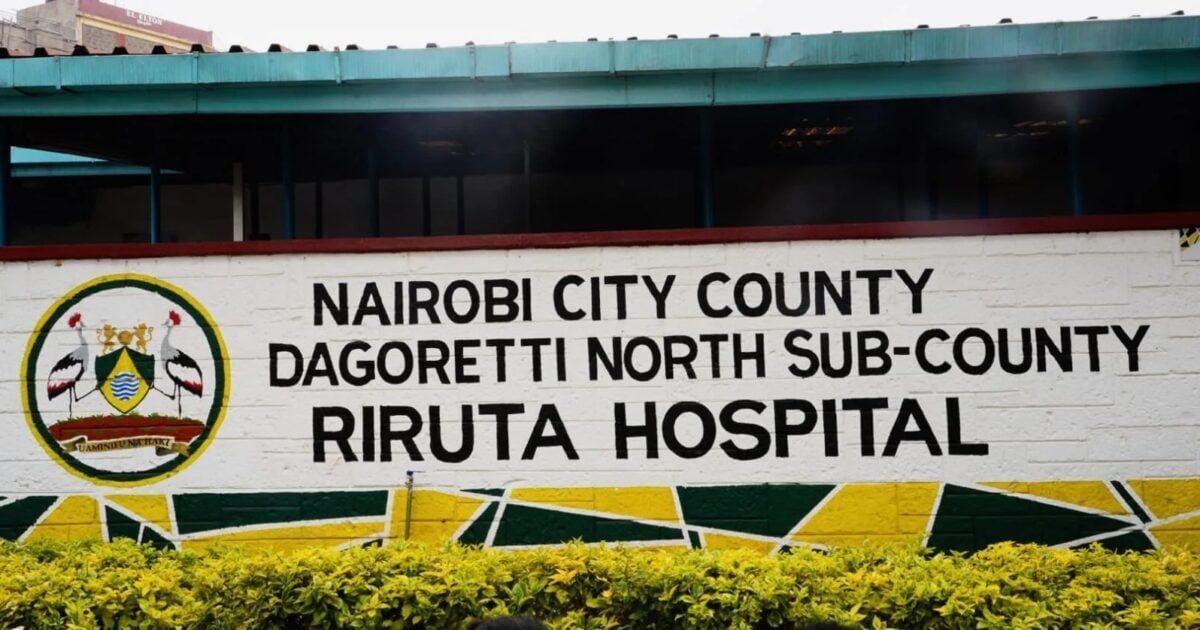
Nairobi county health facilities' revenue triples to Sh2.6bn, says Sakaja
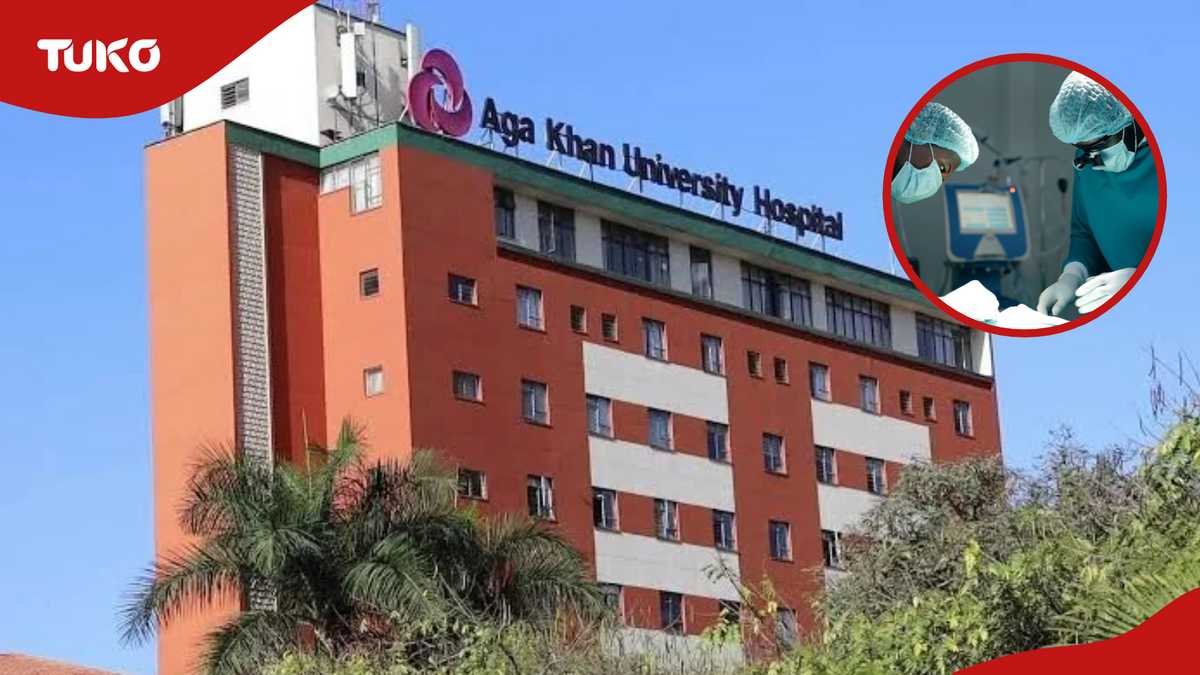
Aga Khan Hospital reattaches severed arm in East Africa's first full-arm replantation
Baby born at 675 grams in Kijabe goes home after months in intensive care
Global Community Remarks
0