
Nairobi county health facilities' revenue triples to Sh2.6bn, says Sakaja
Revenue collected by Nairobi County's public health facilities has risen more than threefold, from about Sh800 million to Sh2.6 billion, Governor Johnson Sakaja has said. He attributed the jump to digital reforms and better reimbursements under the Social Health Authority (SHA), according to Capital FM Kenya.
City Hall now aims to raise Sh4 billion from its health facilities in the current financial year. The county says it is widening access to care, building up primary health services and investing in hospital infrastructure.
Reforms behind the growth
Sakaja spoke at the Third Annual Nairobi Health Scientific Conference. He linked the increase to SHA, Facility Improvement Financing, tighter management of claims and stronger accountability within individual facilities.
He said the extra money was helping public hospitals buy medicines, improve diagnostic services, maintain equipment and fund community outreach.
According to the governor, about three million Nairobi residents have registered with SHA, which he put at more than 60 per cent of the city's population. He said the scheme was working well in the capital because claims for services delivered were being reimbursed, allowing the county to serve more residents.
He told the conference that when his administration took office, county health facilities were bringing in roughly Sh800 million a year.
Gains at individual facilities
The county pointed to several health centres to show the change:
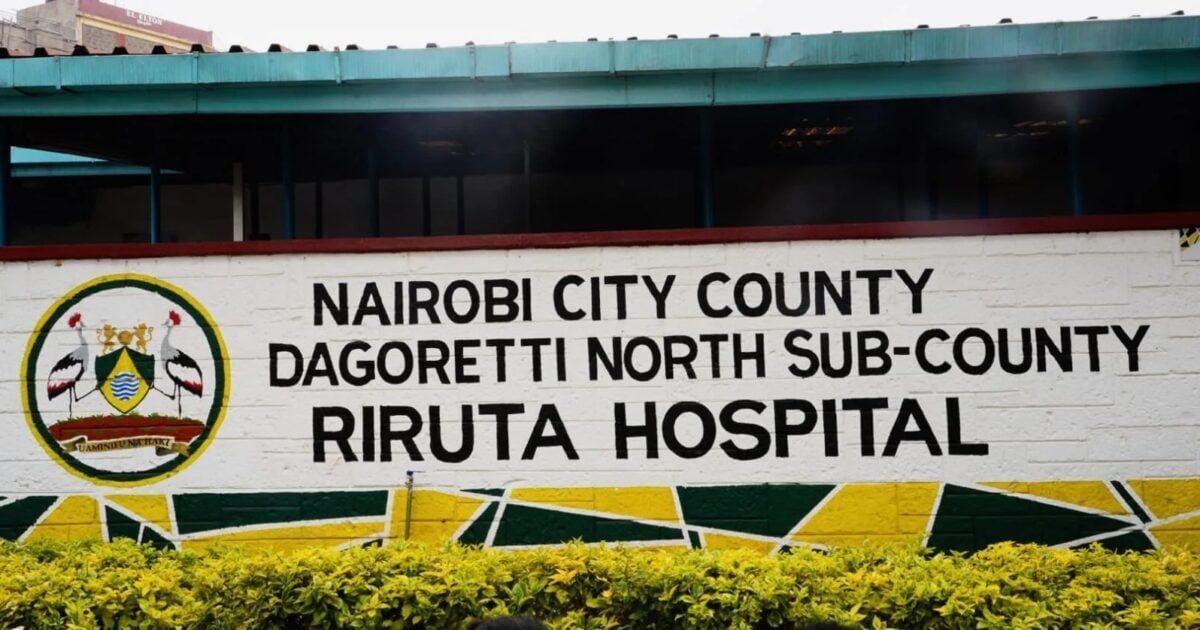
- Riruta Health Centre once earned about Sh100,000 a year and now records about Sh6 million a month.
- Westlands Health Centre has moved from about Sh200,000 to Sh6 million in monthly revenue.
- Pangani Health Centre now generates about Sh1 million a month.
Sakaja said the reforms were not meant to turn public hospitals into commercial ventures. Their purpose, he said, was to give facilities the resources they need to improve patient care.
Duale praises county investments
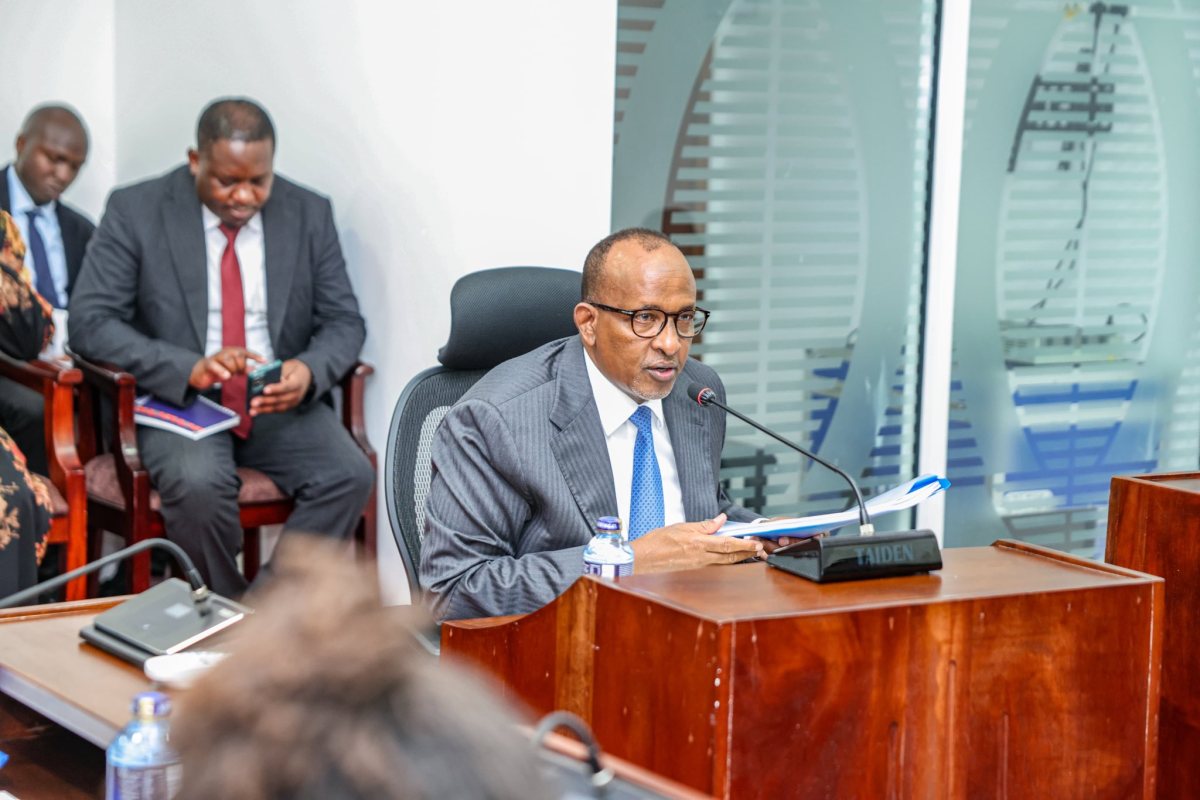
Health Cabinet Secretary Aden Duale commended Nairobi's spending on health infrastructure. He singled out the Nairobi County Cancer Centre, which he described as the first public cancer centre of its kind in the city.
Duale also noted that Nairobi has the highest number of Community Health Workers in the country and said it is the only county paying them stipends.
He said three million of the 33 million Kenyans registered with SHA are in Nairobi. He put that figure at about 69 per cent of the county's population, higher than the share the governor cited.
Community health and digital systems
The county has set up 782 Community Health Units staffed by 7,820 Community Health Promoters. They visit households, support expectant mothers, promote immunisation, carry out disease surveillance and connect families to health services.
Sakaja said Nairobi is also upgrading its digital community health systems to improve data collection and referrals at household level. The county is introducing AI-assisted digital X-ray screening for tuberculosis.
Suzanne Silantoi, the county executive for Health, Wellness and Nutrition, said 99 per cent of county health facilities have been digitised and linked to the SHA system. This allows them to file claims and receive reimbursements.
Maryam Dahir, Chief Officer for Medical Services, said emergency response had also been strengthened. Residents can now seek help through the 1508 hotline.
"We will be judged not by the discussions we hold, but by the improvements we deliver," Dahir said.
The three-day conference brings together health professionals, researchers, policymakers and development partners to look at ways of strengthening urban health systems. Its theme is One Health in Action: Building Resilient, Climate-Smart and Equitable Health Systems for Universal Health Coverage.
This story was prepared by the Hamasta Newsdesk with AI assistance, based on reporting by Capital FM Kenya. Read the original report. Photo: Capital FM Kenya.

Tell your story on screen.
Commercials, documentaries, interviews and social video, from script to final cut.





More in Health
See all
Aga Khan Hospital reattaches severed arm in East Africa's first full-arm replantation
Baby born at 675 grams in Kijabe goes home after months in intensive care
Kenya traces all 135 Ebola contacts as 42-day countdown to outbreak's end begins
WHO warns testing and funding gaps are weakening global fight against drug resistance
US loses measles elimination status after 26 years as cases hit record high
Global Community Remarks
0