
Baby born at 675 grams in Kijabe goes home after months in intensive care
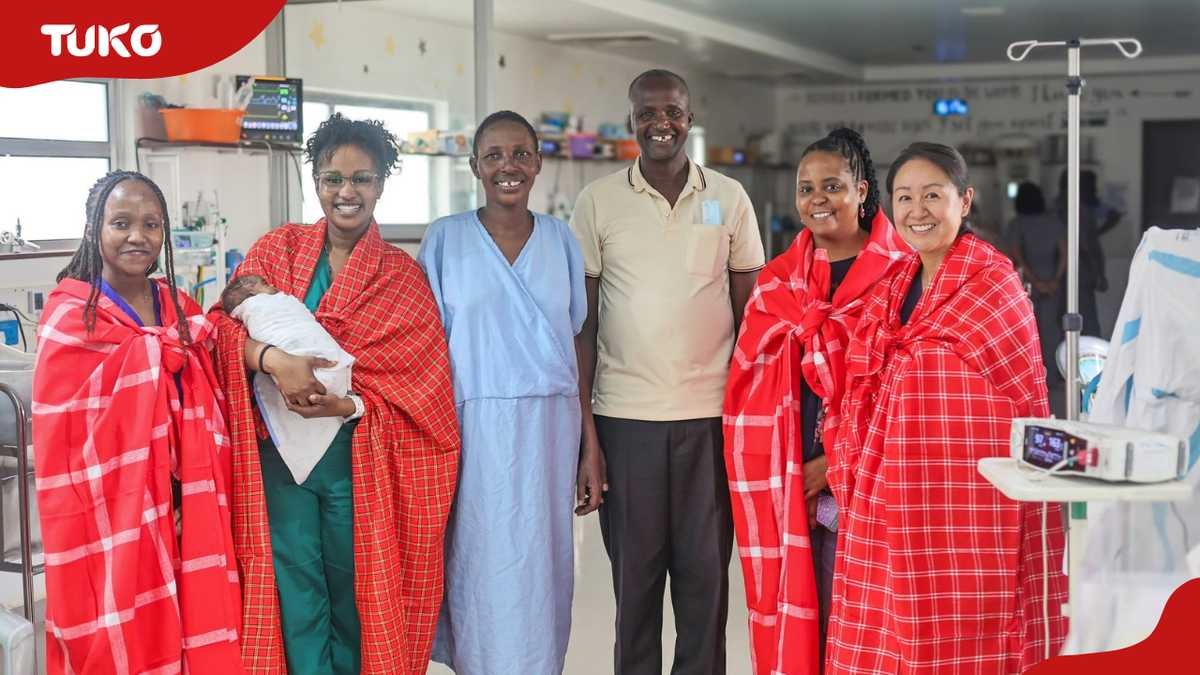
A baby girl who weighed only 675 grams at birth and could not breathe on her own has been discharged from AIC Kijabe Hospital after months of specialised care, according to Tuko.
The hospital shared the story of Naserian, who was born at between 26 and 27 weeks of pregnancy to Maasai parents who had waited many years for a child. It credited both the medical team and the family's faith for her recovery.
Emergency care from the first minutes
Naserian's arrival was quickly overshadowed by concern over how fragile she was. According to the hospital, the delivery team carried out emergency resuscitation before moving her to the Newborn Intensive Care Unit (NICU).
Her body was too delicate for standard breathing machines. Instead, the medical team used gentler oxygen support delivered through the nose, together with specialised medication to keep her lungs open.
She was looked after by a paediatric resident doctor and the hospital's neonatal team as she began a recovery that would last several months.
Parents kept watch
While doctors worked to keep the newborn alive, her parents faced the strain of watching her struggle without being able to hold her.
Her mother, who had delivered by Caesarean section, went to the NICU about six hours after the operation. Tubes and equipment around the incubator meant she could not pick up her daughter, so she knelt beside it and gave thanks for the child she had long hoped for, Tuko reported.
Her father, a Maasai moran, travelled from Narok to the hospital almost every day to be with his daughter and receive updates from doctors.
Dr Ann Viola, who was involved in the baby's care, recalled being struck by how the father's steady optimism contrasted with the worries the medical team held at the time.
Gradual progress and costly nutrition
The road to recovery had setbacks, but Naserian slowly improved. By her ninth day she had returned to her birth weight, a milestone that brought relief to the family and the doctors.
She still needed extra nutritional support to grow. One requirement was Human Milk Fortifier, a product added to a mother's breast milk to give premature babies with especially high nutritional needs additional nutrients.
According to Tuko, the fortifier was expensive, and the family was at one point unsure how they would pay for it. The father nonetheless remained hopeful.
A thank-you in Maasai tradition
After months of treatment, Naserian was finally discharged, allowing her parents to hold her without the incubator, tubes and wires that had kept them apart.
Before leaving, the parents presented the doctors who cared for her with traditional Maasai lessos. The gift was meant to express appreciation and blessings to those who had helped save their daughter's life.
The hospital described her journey, from a newborn who needed help to take her first breaths to a thriving baby carried home in her parents' arms, as a story of hope against extraordinary odds.
This story was prepared by the Hamasta Newsdesk with AI assistance, based on reporting by Tuko. Read the original report. Photo: Tuko.
Every moment, captured beautifully.
Events, corporate portraits, products and editorial shoots by our newsroom photographers.





More in Health
See all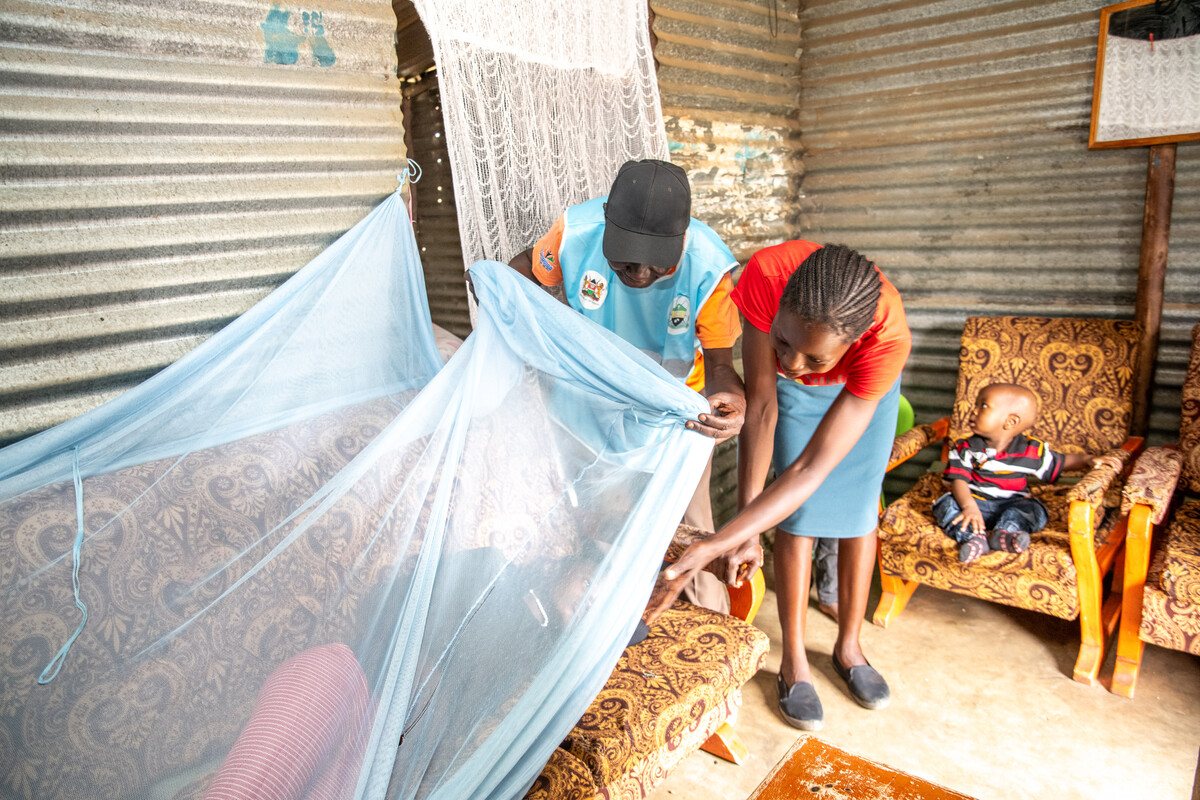
MoH begins distributing 10.8 million mosquito nets across 18 malaria-hit counties
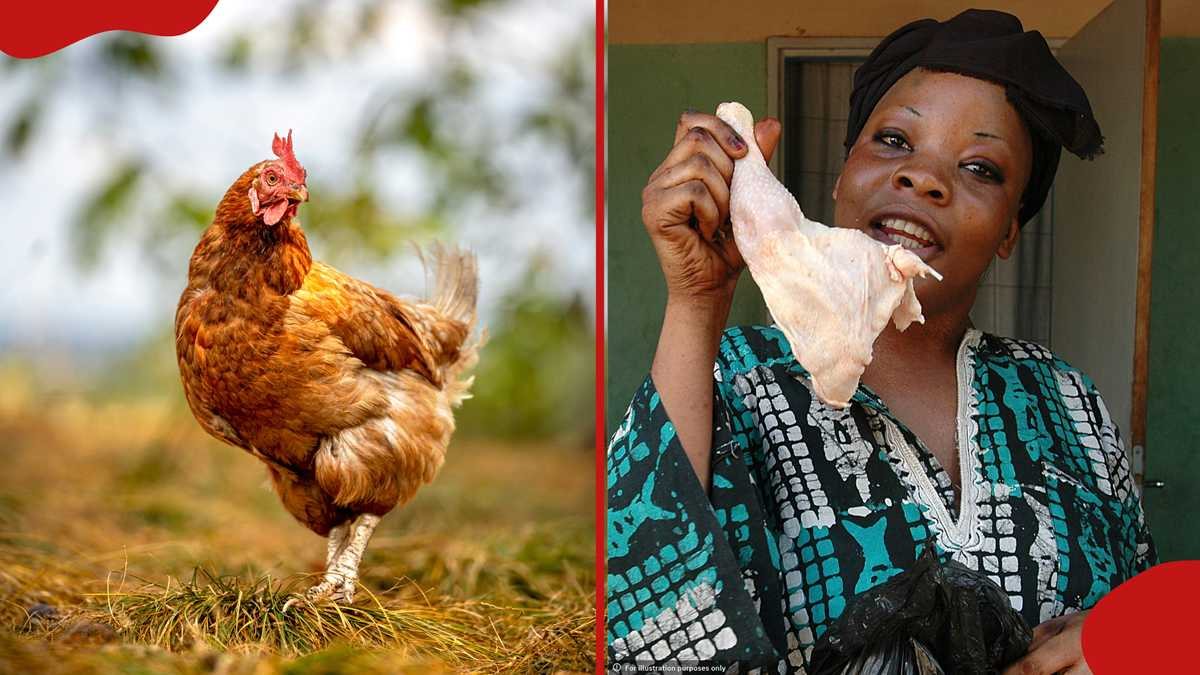
Most raw chicken sold in Nairobi butcheries carries harmful bacteria, KVA study finds
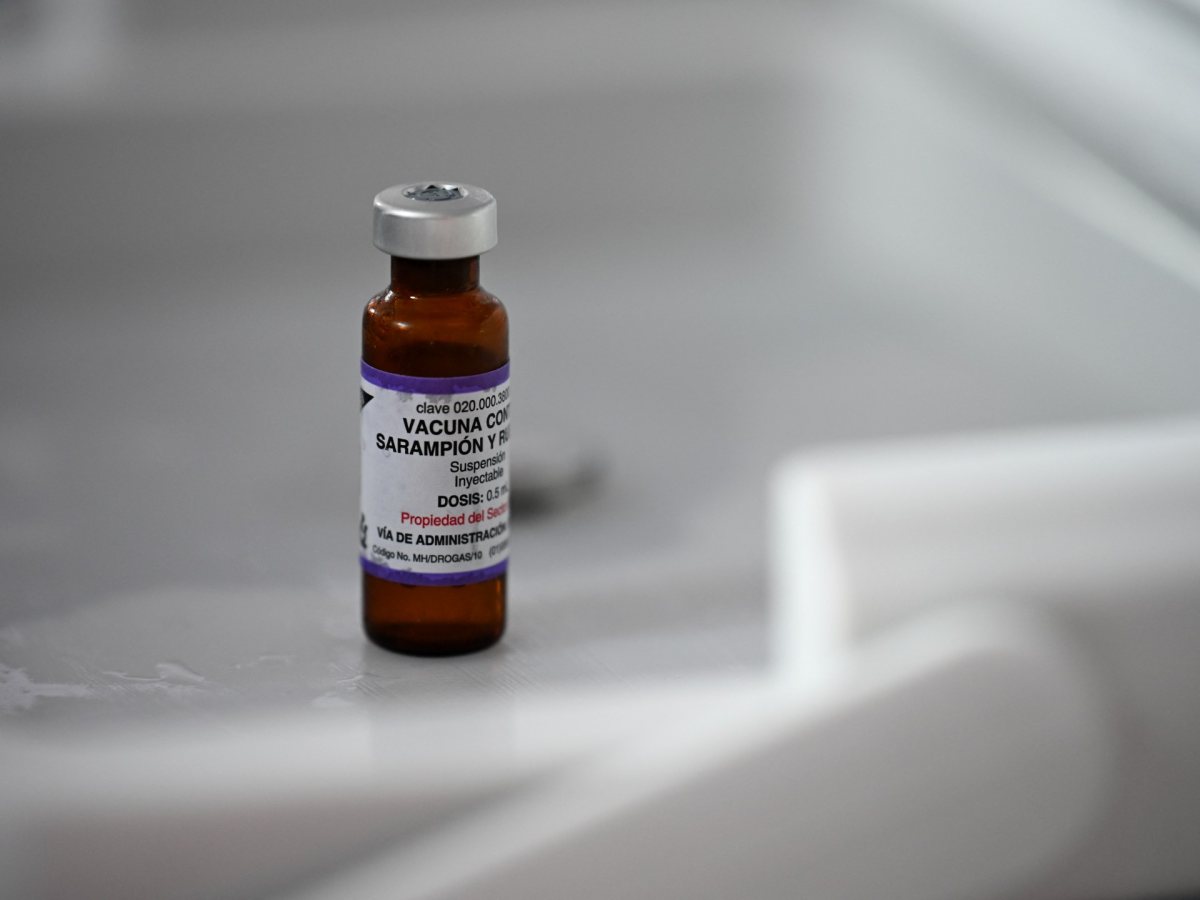
Unvaccinated Pennsylvania resident dies as US loses measles elimination status

SHA to stop paying medicine claims unless patients confirm receipt, Duale says
Ruto says SHA is shielding families from the crushing cost of illness
Global Community Remarks
0