
MoH begins distributing 10.8 million mosquito nets across 18 malaria-hit counties
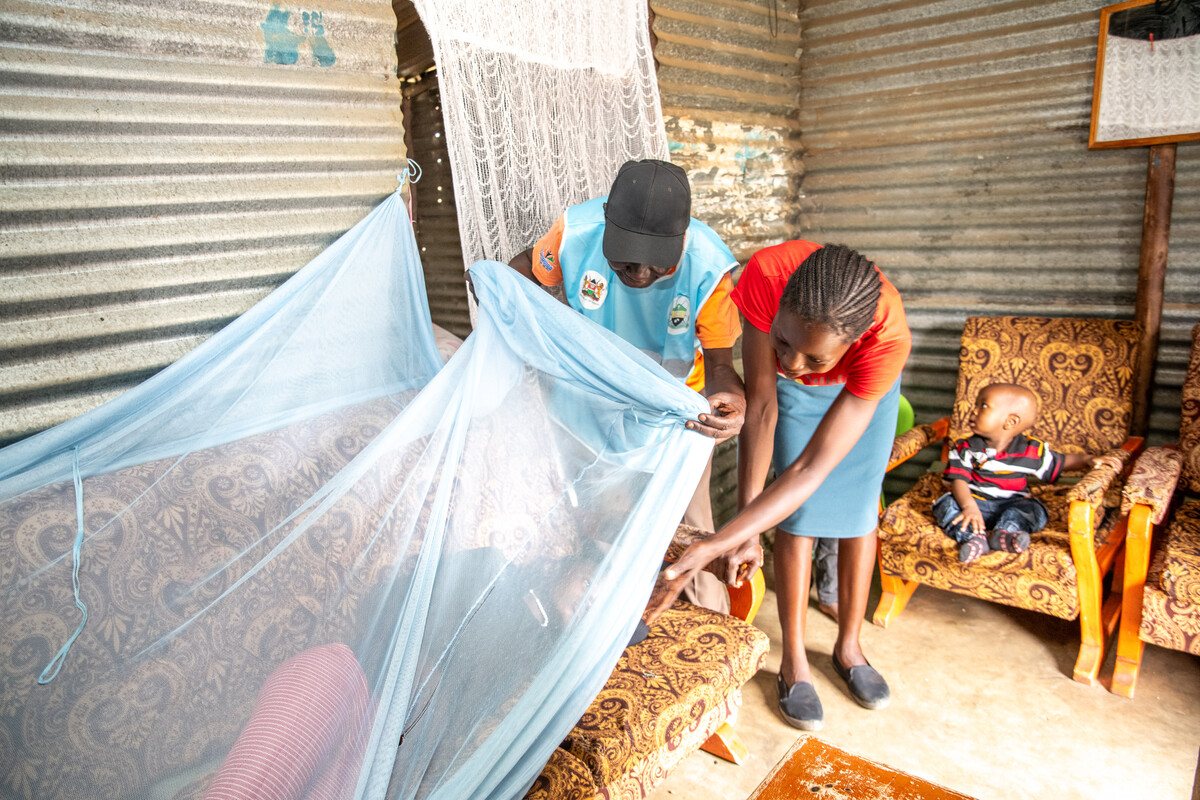
The Ministry of Health has started handing out 10.8 million insecticide-treated mosquito nets in 18 malaria-endemic counties, in a campaign meant to cut infections and move Kenya closer to eliminating the disease, according to KBC.
The 2026/2027 mass distribution exercise will cover 99 sub-counties and is being carried out under the Kenya Malaria Strategy.
Digital tracking and new-generation nets
This year's campaign will use a digital platform called DigiMO. The ministry says the system will help officials verify households, identify beneficiaries, track the movement of nets and monitor the exercise in real time.
The ministry will also roll out next-generation nets treated with two active ingredients, known as dual-AI ITNs. These will go to areas where mosquitoes no longer respond well to conventional insecticides, a move intended to make prevention more effective where resistance has taken hold.
Public Health and Professional Standards Principal Secretary Mary Muthoni said nets were allocated according to population needs, malaria transmission patterns and insecticide resistance profiles. The aim is to match each community with nets suited to the malaria risks it faces.
Call for community participation
Muthoni described the campaign as part of the government's preventive and promotive healthcare agenda under Universal Health Coverage (UHC), which seeks to bring essential health services closer to households.
She urged residents in the targeted areas to collect the nets allocated to them and to use them consistently. Communities, she said, should "sleep under them every night throughout the year."
The PS added that defeating malaria would require shared responsibility, continued investment and strong partnerships.
Progress so far
The campaign follows notable gains recorded under the Kenya Malaria Strategy 2023–2027. Confirmed malaria cases have dropped by 34 per cent, from 5.54 million in 2023 to 3.64 million in the most recent reporting year, KBC reported.
Among children under five, malaria incidence has fallen from 194 to 119 cases per 1,000 people. Testing now reaches nearly 90 per cent of suspected cases.
Muthoni attributed the improvement to sustained spending on prevention, testing, treatment, disease surveillance and community-based health work.
A persistent threat
Despite the decline, malaria remains a major public health problem in Kenya. It continues to affect millions of people every year, especially in regions where transmission is sustained.
The ministry says the latest distribution drive is designed to protect families in those high-burden areas and to build on the gains made in recent years.
Key facts:
- 10.8 million insecticide-treated nets to be distributed
- 18 malaria-endemic counties and 99 sub-counties targeted
- DigiMO digital platform to track distribution
- Dual-active ingredient nets for areas with insecticide resistance
- Confirmed malaria cases down 34 per cent since 2023
This story was prepared by the Hamasta Newsdesk with AI assistance, based on reporting by KBC. Read the original report. Photo: KBC.



Know what people say about you.
Media monitoring, audience insights and strategic communication for your brand.


More in Health
See all
Most raw chicken sold in Nairobi butcheries carries harmful bacteria, KVA study finds
Unvaccinated Pennsylvania resident dies as US loses measles elimination status
SHA to stop paying medicine claims unless patients confirm receipt, Duale says

Ruto says SHA is shielding families from the crushing cost of illness
DRC Ebola burial teams face infection risk, attacks and stigma at home
.jpeg)
Global Community Remarks
0