
MPs split over hospital detention ban as private-ward clause and promissory notes stir debate

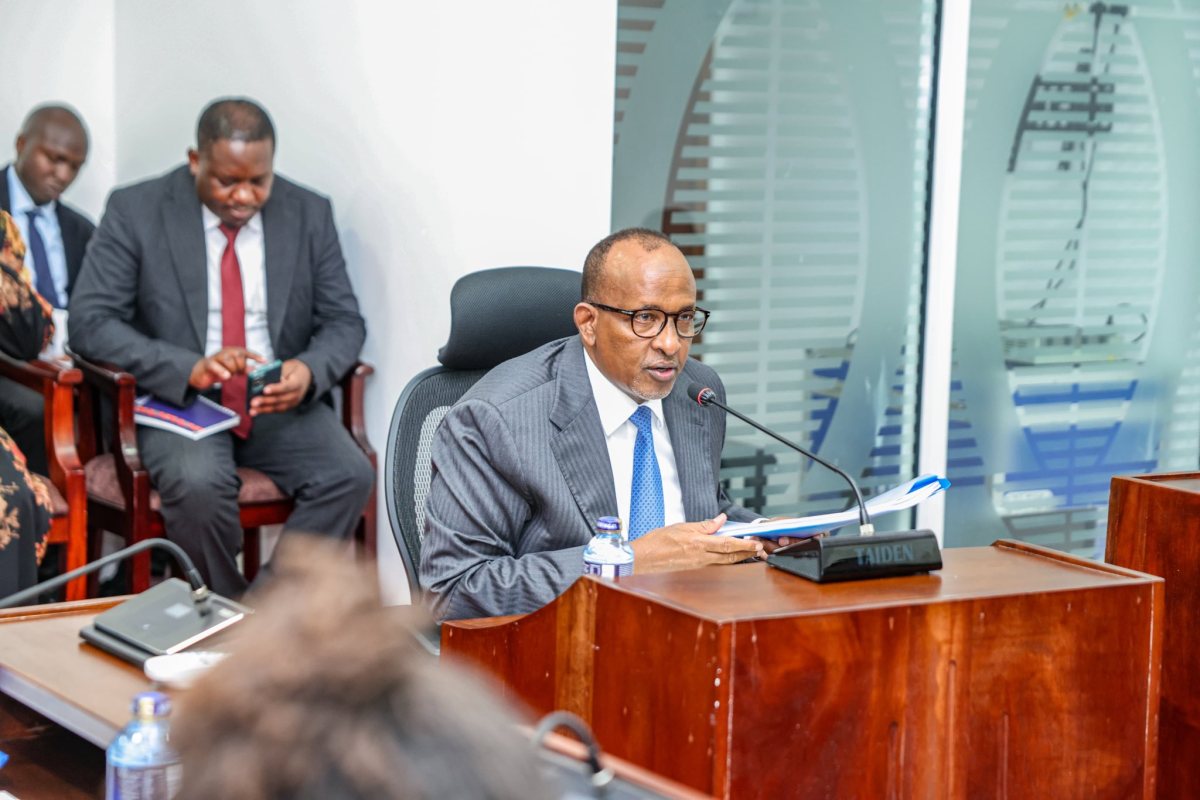
A proposed law that would bar hospitals from holding discharged patients or bodies over unpaid bills has drawn broad support in the National Assembly, but the debate exposed deep disagreement among MPs over whether it tilts too far against health facilities, Nation Kenya reports.
The Health (Amendment) Bill, 2024, sponsored by Kirinyaga Woman Representative Njeri Maina, proposes a fine of Sh2 million, upon conviction, for managers of both public and private facilities who detain a discharged patient or the body of a deceased person because a bill has not been settled in part or in full.
While most MPs supported the measure, at least five contentious issues emerged during the debate, according to Nation Kenya, with some legislators arguing that the Bill concentrates on patients' rights while ignoring the need for hospitals to keep operating.
Private room exemption
The sharpest dispute centred on a caveat requiring patients who opt for a private or semi-private room at admission to clear their bills before they, or their bodies, can be released.
Kilifi North MP Owen Baya triggered the discussion, arguing that the clause undermines the Bill's main purpose.
Health Committee chairperson James Nyikal, however, defended the provision, warning that some patients could exploit the law by choosing costlier rooms when cheaper general wards were available and later claiming they could not pay. He said genuinely needy patients were unlikely to be the problem.
Kangundo MP Fabian Kyule cautioned that Parliament should not make rules that protect patients at the expense of hospitals, saying medicines and staff effort had already gone into treatment and warning against killing investment.
Nyatike MP Tom Odege, who described himself as a trained health practitioner, said the law must be fair to both sides, noting that health was a serious area of investment that was also prone to exploitation. Tigania West MP John Mutunga said the law should encourage private investment and that those who deliberately choose private facilities should pay.
Cost of detention
Magarini MP Harrison Kombe suggested that hospitals that choose to detain a patient or body should face extra charges. Mr Baya backed the idea, arguing that adding detention costs to an existing bill amounted to double punishment.
"You're punishing me for not paying and you're also adding the cost of detention," Mr Baya said.
He argued that a Sh100,000 bill should remain at that amount even if a patient is held for a month, rather than ballooning to the point where families surrender title deeds.
Other concerns
Lawmakers also raised questions about patients who need isolation in a private room, and whether they should pay upfront or be discharged and pay later.
Some MPs feared that, once the law takes effect, private hospitals could convert all their general wards into private rooms to guarantee payment.
Promissory notes
Questions were also raised about the enforceability of promissory notes introduced in the Bill to help hospitals recover costs.
Under the proposal, the person releasing a patient or body would sign a legally binding note with the facility, setting out the timeline and terms for clearing the outstanding bill. Hospitals would be able to enforce the notes in court.
Dr Nyikal said the mechanism was introduced in response to arguments that facilities incur real expenses in caring for patients, whether they recover or die, and should have a way of recovering those costs.
MPs said the unresolved issues would be clarified through regulations once the President assents to the Bill.
This story was prepared by the Hamasta Newsdesk with AI assistance, based on reporting by Nation Kenya. Read the original report.
Every moment, captured beautifully.
Events, corporate portraits, products and editorial shoots by our newsroom photographers.





More in Health
See all
Nairobi county health facilities' revenue triples to Sh2.6bn, says Sakaja

Aga Khan Hospital reattaches severed arm in East Africa's first full-arm replantation

Baby born at 675 grams in Kijabe goes home after months in intensive care
Kenya traces all 135 Ebola contacts as 42-day countdown to outbreak's end begins
WHO warns testing and funding gaps are weakening global fight against drug resistance
Global Community Remarks
0