
US loses measles elimination status after 26 years as cases hit record high
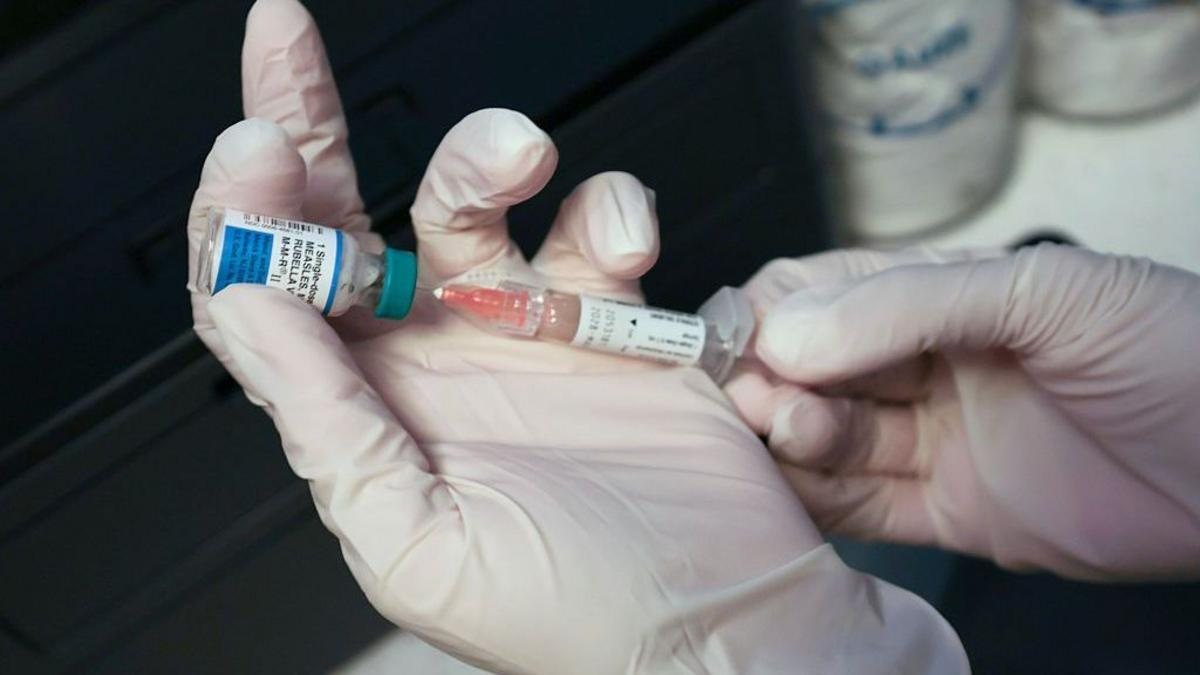
The United States has lost the measles elimination status it held for 26 years, after two consecutive years of record infections and deaths, according to BBC News World.
The Pan American Health Organization (PAHO), a specialised United Nations agency, found that the same strain of measles had circulated without interruption in the country for more than a year.
US states have reported more than 5,400 cases this year, the highest annual figure since 1991. Ten measles-related deaths have been recorded, the most since the 1990s.
Mexico and Bolivia also affected
PAHO director Dr Jarbas Barbosa said Mexico and Bolivia had also lost their elimination status, blaming the regional resurgence on persistent gaps in vaccination. Speaking at a news conference on Tuesday, he described the figures as a serious warning for the region.
Barbosa noted that Canada, which lost its status last year following several large outbreaks, had made progress this year in halting transmission.
Daniel Salas, PAHO's executive manager of immunisations, said the affected countries would have to submit corrective action plans setting out how they intend to raise vaccination rates.
The setback is not limited to the Americas. Earlier this year, European countries including the UK, Spain and Austria lost their measles-free status, as did Russia, Azerbaijan and Uzbekistan.
'A huge leap backwards'
Nuwan Gunawardhana, an assistant professor of medicine at Columbia University Irving Medical Center, described the loss as "a huge leap backwards", BBC News World reported.
He said decades of low infection rates had been built on extensive work by health officials and clinicians to win patients' trust in the measles, mumps and rubella (MMR) vaccine. That trust, he said, has been eroding since the Covid-19 pandemic, when many people encountered misinformation about vaccine safety.
The national MMR vaccination rate now stands at 92.4%, below the 95% threshold needed for herd immunity, which curbs spread and protects those who cannot be vaccinated, such as newborns.
William Moss, a paediatric infectious disease specialist at Johns Hopkins Bloomberg School of Public Health, noted that the US had been the first country in the Americas to eliminate measles, largely through vaccination campaigns.
Pennsylvania outbreak and political dispute
An outbreak in Pennsylvania has infected more than 1,400 people and killed seven, according to state officials, who say the true number of infections is likely much higher.
Health Secretary Robert F Kennedy Jr has clashed with Pennsylvania officials over how those deaths are counted, and the Centers for Disease Control and Prevention has so far declined to record some of them in its database.
Kennedy, a vaccine sceptic, has repeatedly questioned the safety of the MMR shot and has sought sweeping changes to vaccine policy. Last year he dismissed all members of a key vaccine advisory panel and replaced them with his own appointees, some of them vaccine critics. Several of the panel's recommendations, including dropping the universal hepatitis B vaccine requirement for newborns, were blocked by a federal judge.
Kennedy has argued that the rise in cases began before he took over the Department of Health and Human Services, and that neighbouring countries have also recorded more infections. The department did not respond to a BBC request for comment.
President Donald Trump has also questioned the vaccine's safety, ordering this year that the MMR shot be split into three separate jabs. Public health experts say the move is costly and could confuse the public about a vaccine already considered safe.
Doctors say mixed messaging from the top has contributed to falling vaccination rates, leaving states and health officials to issue their own guidance in line with long-standing practice.
About measles
Measles is highly contagious and can be fatal. It can also cause lasting complications, including encephalitis and immune amnesia, which weakens the body's ability to fight new infections. The US recommends two MMR doses for children aged between one and six, a regimen that is 97% effective.
This story was prepared by the Hamasta Newsdesk with AI assistance, based on reporting by BBC News World. Read the original report. Photo: BBC News World.




Show the impact of your work.
Impact stories, campaign videos and community engagement for NGOs and programmes.

More in Health
See all
MoH begins distributing 10.8 million mosquito nets across 18 malaria-hit counties
Most raw chicken sold in Nairobi butcheries carries harmful bacteria, KVA study finds
Unvaccinated Pennsylvania resident dies as US loses measles elimination status
SHA to stop paying medicine claims unless patients confirm receipt, Duale says
Ruto says SHA is shielding families from the crushing cost of illness
Global Community Remarks
0