
WHO warns testing and funding gaps are weakening global fight against drug resistance
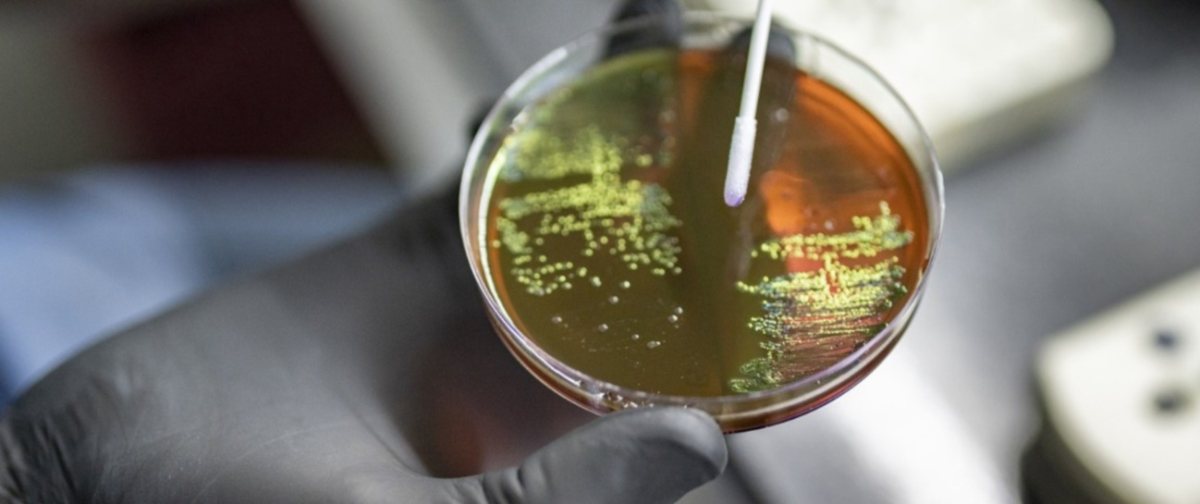
Shortfalls in diagnostic testing, treatment and funding are holding back global efforts against antimicrobial resistance (AMR), leaving millions of patients exposed to infections that no longer respond to medicines, the World Health Organisation (WHO) has warned, according to KBC.
The warning comes from the latest Tracking Antimicrobial Resistance Country Self-assessment Survey (TrACSS). It was completed in 2026 by 183 countries, representing 94% of WHO Member States.
The survey shows that far more countries now have plans to tackle AMR. However, it also shows that few of them are fully funding or carrying out those plans.
More plans, little action
According to the survey, 173 countries say they have developed national plans to address AMR. That is more than twice the 79 countries that reported having such plans in 2017.
WHO cautioned that a plan on paper does not guarantee protection for patients. Only 22% of countries report that their national AMR action plans are both funded and fully implemented.
The health agency said this leaves serious gaps along the entire pathway of care. These range from preventing infections and diagnosing and treating patients to tracking resistance trends and putting control measures in place.
WHO Director-General Dr Tedros Ghebreyesus urged governments to move from planning to delivery. He called for investment in infection prevention, surveillance, quality diagnostics and access to essential antimicrobials. "Plans alone don't save lives," he said.
Common infections becoming harder to treat
Dr Tedros said that when medicines stop working against resistant microbes, routine infections become more difficult to treat. He added that surgery, childbirth and cancer care also become riskier.
He noted that in 2023, one in six laboratory-confirmed bacterial infections around the world were resistant to antibiotics.
Testing capacity falls short
The survey found that access to diagnostic testing remains poor in most countries. Testing helps make sure patients get the right treatment at the right time.
Only 36% of countries report having a national reference laboratory able to test selected bacteria and fungi. This is well below the global target of 80% of countries having full bacterial and fungal resistance testing capacity by 2030.
WHO said poor access to tests raises the chance that patients will be given antibiotics that are unnecessary or do not work. It also means resistant infections and outbreaks may go unnoticed, while weak surveillance data limits understanding of local resistance patterns.
Gaps in guidelines and surveillance
The shortfalls extend beyond laboratories. The survey found that:
- Only 63% of countries report having guidelines on the appropriate use of antimicrobials.
- Just over half report having systems to monitor national antibiotic use and track AMR levels.
New tools for laboratories
To help countries close these gaps, WHO has released two practical tools under its AMR Diagnostic Initiative. They include a prioritised catalogue of diagnostic tests and step-by-step methods to help clinical laboratories diagnose bacterial and fungal infections.
Awareness week ahead
The findings come as the world prepares to mark World AMR Awareness Week from November 18 to 24. This year's theme is "One Health, one action: Prevent AMR now."
The global campaign aims to raise awareness of AMR and encourage action to stop drug-resistant infections from emerging and spreading. It stresses the links between the health of people, animals, plants and the environment.
Organisers are calling on governments, farmers, veterinarians, environmental experts and communities to play their part in preventing AMR.
This story was prepared by the Hamasta Newsdesk with AI assistance, based on reporting by KBC. Read the original report. Photo: KBC.


Grow an audience that listens.
Social media management, digital campaigns and online storytelling that converts.



More in Health
See all
MoH begins distributing 10.8 million mosquito nets across 18 malaria-hit counties
Most raw chicken sold in Nairobi butcheries carries harmful bacteria, KVA study finds
Unvaccinated Pennsylvania resident dies as US loses measles elimination status
SHA to stop paying medicine claims unless patients confirm receipt, Duale says

Ruto says SHA is shielding families from the crushing cost of illness
Global Community Remarks
0