
Oluga, Kananu urge newsrooms to dig deeper into maternal and newborn deaths
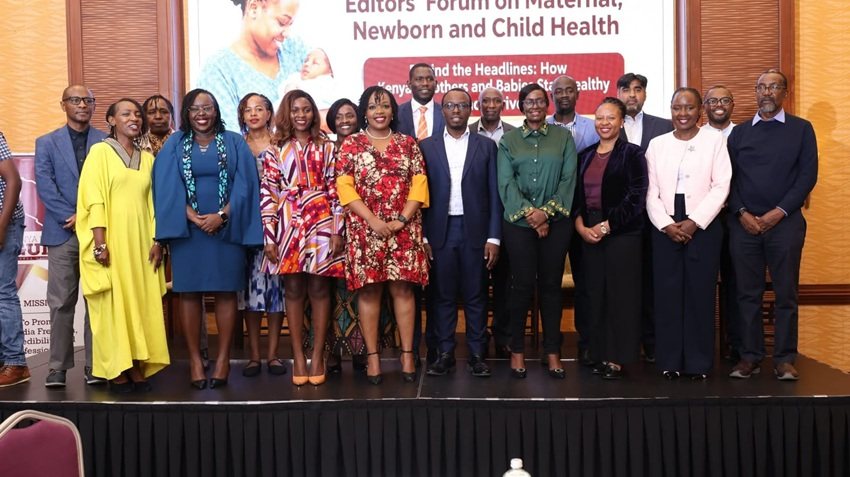
Kenyan media houses have been challenged to give maternal, newborn and child health sustained attention, rather than reporting only on deaths, and to investigate the weaknesses in healthcare delivery behind preventable fatalities.
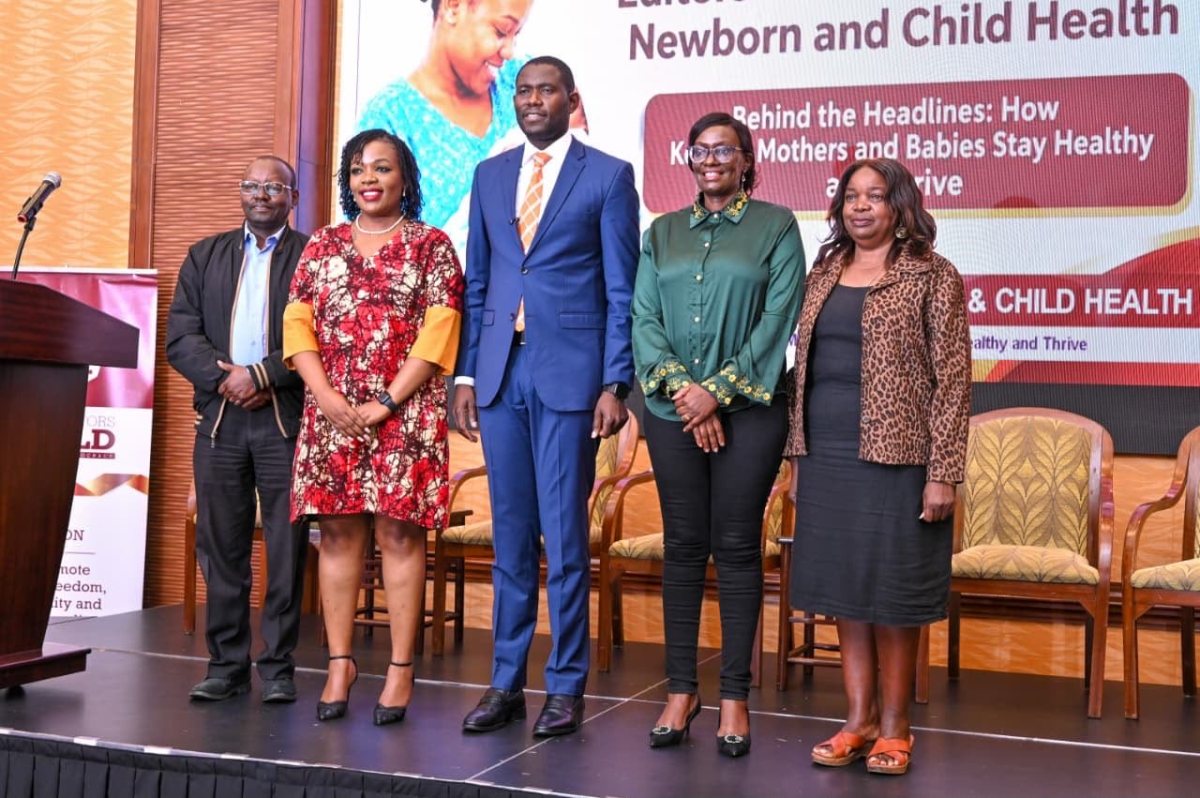
The call came from Medical Services Principal Secretary Dr Ouma Oluga and Kenya Editors' Guild President Zubeidah Kananu during an Editors' Forum on Maternal, Newborn and Child Health in Nairobi, according to KBC.
The forum, organised by the Guild and supported by the Gates Foundation Kenya office, brought together editors, health professionals, researchers and development partners under the theme "Behind the Headlines: How Kenya's Mothers and Babies Stay Healthy and Thrive."
Gaps in emergency care
Dr Oluga said only 37 per cent of health facilities offering delivery services currently provide all seven basic emergency obstetric care functions, a shortfall he said demands targeted investment and closer monitoring.
He asked journalists to probe delays in referrals, inadequate emergency obstetric services and shortages of essential medical supplies and equipment.
The PS outlined several government interventions. Under the Every Woman Every Newborn Everywhere (EWENE) Acceleration Plan, the government is investing in essential commodities and obstetric and neonatal equipment for 635 health facilities. Other measures include:
- Setting up simulation centres and skills laboratories
- Training health workers in emergency obstetric care
- Recruiting an additional 5,000 midwives
- Closing equipment gaps through the National Equipment Service Programme (NESP)
He also said 33.7 million Kenyans had registered with the Social Health Authority (SHA), adding that the data would guide planning, resource allocation and financing. He urged the media to encourage more people to register and to obtain national identity documents to ease access to care.
A minute a day
Dr Oluga proposed that radio and television stations set aside at least one minute every day for information that helps expectant mothers make informed decisions. Such daily awareness, he said, "will speak louder than the headlines."
He stressed the importance of starting antenatal care early, completing the recommended eight antenatal visits and attending postnatal check-ups for both mother and baby.
Beyond the tragedy
Ms Kananu argued that maternal and newborn health should remain a consistent public interest issue, not one that surfaces only when tragedy strikes.
She pointed to the September 2026 case of Mercy Kanini, a Juja mother who lost all five babies she delivered prematurely. The case, she said, raised questions about how high-risk pregnancies are managed, the availability of specialised newborn care and how well referral systems work.
Journalists, she said, have a duty to establish what went wrong, what could have prevented such deaths and whether lessons from earlier cases are improving services.
She described maternal and newborn health as a linked chain of care, running from maternal nutrition, early screening and antenatal services through safe delivery to specialised care for newborns. She also called for fair access to quality maternity services regardless of a woman's income or where she lives.
The Guild president urged reporters to scrutinise government programmes such as Linda Mama, and to test whether funding, policies and public commitments are translating into better services. In her view, the real test of a programme is whether mothers actually receive the care promised and enjoy better outcomes, not the number of women registered or the money allocated.
She further encouraged solutions-oriented reporting that highlights successful interventions, research and innovations that could be sustained and replicated.
Policy briefs on sepsis and hypertension
The forum follows the Ministry of Health's launch on November 10, 2026 of two policy briefs on neonatal sepsis and hypertensive disorders of pregnancy, both identified as major causes of preventable maternal and newborn deaths.
The briefs were developed with the Child Health and Mortality Prevention Surveillance Network (CHAMPS) to turn research findings into practical interventions and strengthen the use of existing policies and clinical guidelines.
Dr Oluga reaffirmed the ministry's commitment to giving journalists timely and accurate information to support informed reporting and accountability in the health sector.
This story was prepared by the Hamasta Newsdesk with AI assistance, based on reporting by KBC. Read the original report. Photo: KBC.



Know what people say about you.
Media monitoring, audience insights and strategic communication for your brand.


More in Health
See all
Doctors, dentists and pharmacists urge tighter antibiotic controls as resistance grows

Doctors to get KSh 76m in salary arrears after KMPDU talks with Health ministry
Baringo medics find hidden second baby minutes after delivering first at Kabartonjo
PS Oluga urges media to help cut maternal and newborn deaths in Kenya
MoH begins distributing 10.8 million mosquito nets across 18 malaria-hit counties
Global Community Remarks
0