
Doctors, dentists and pharmacists urge tighter antibiotic controls as resistance grows
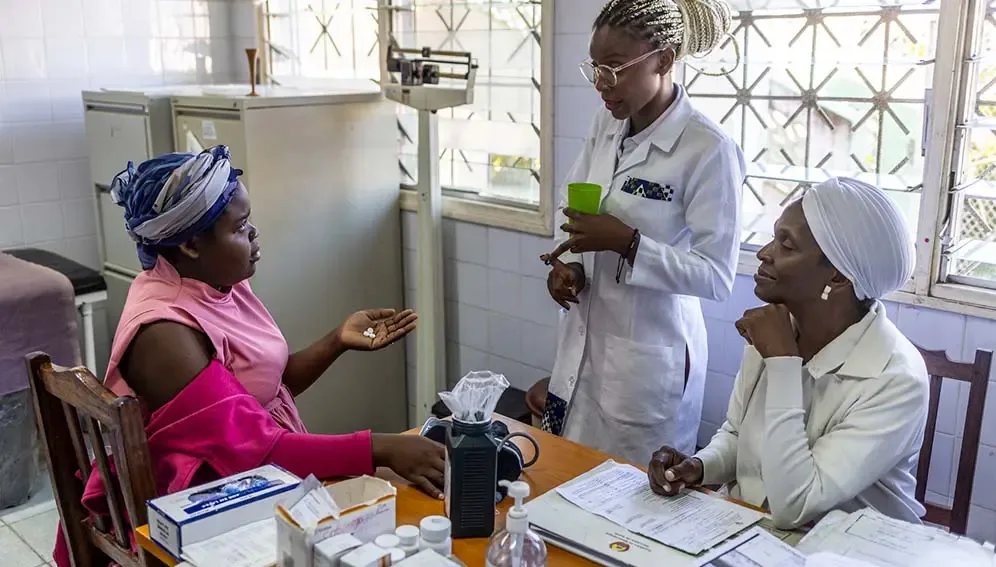
Kenya's leading medical, dental and pharmaceutical associations have called on the government to clamp down on the unregulated sale and prescription of antibiotics, warning that unchecked misuse could leave common infections untreatable and trigger a serious public health crisis.
The Kenya Medical Association (KMA), the Kenya Dental Association (KDA) and the Pharmaceutical Society of Kenya (PSK) made the appeal in a joint statement marking World Antimicrobial Resistance Awareness Week, which runs from November 18 to 24, according to Capital FM Kenya.
The three bodies said inappropriate antibiotic use in hospitals, pharmacies, communities and farms was weakening medicines that have long saved lives, and that the country risked reversing hard-won progress in healthcare without urgent action.
A growing global threat
Citing global estimates, the associations linked bacterial antimicrobial resistance (AMR) to about 4.7 million deaths in 2021. Projections suggest resistance could directly cause 39 million deaths worldwide between 2025 and 2050, with Africa expected to carry a particularly heavy share of the burden.
"AMR is one of the greatest threats to global health," the associations said.
Antimicrobial resistance occurs when bacteria, viruses, fungi and parasites change over time and no longer respond to the drugs meant to treat them. This makes infections harder to cure and raises the risk of disease spreading, severe illness and death.
A One Health response
The professionals want the government to adopt a coordinated One Health approach that links human health, animal health and the environment. Under this model, efforts to fight resistance would reach beyond health facilities into livestock production, agriculture and environmental management.
They pledged support for Kenya's National Action Plan on Antimicrobial Resistance and argued that safeguarding existing medicines should be treated as a national priority.
What the associations are proposing
Their recommendations include:
- Prevention first: more investment in vaccination, better hand hygiene, stronger infection prevention and control in health facilities, and improved oral health services to reduce the need for antibiotics.
- Responsible prescribing: doctors, dentists and pharmacists should prescribe and dispense antibiotics only when clinically justified.
- Stewardship programmes: wider initiatives to help health workers and patients understand when antibiotics are needed and how to use them properly.
- Prescription-only access: enforcement of rules requiring a prescription to obtain antimicrobial medicines, to curb uncontrolled sales and self-medication.
- Better diagnostics: stronger laboratory capacity so infections are correctly identified and treated.
- Surveillance and enforcement: systems to track antibiotic consumption and resistance patterns, and tougher action against substandard and falsified medicines.
At county level, the associations proposed a bigger role for County Antimicrobial Resistance Focal Persons to coordinate national interventions, raise community awareness and improve accountability.
Advice to the public
The bodies also cautioned Kenyans against buying antibiotics without a prescription, sharing medicines with others, or keeping leftover doses for future use when similar symptoms appear.
They urged patients to see a qualified health professional before taking antibiotics and to complete the prescribed dose and duration. Unused medicines, they said, should neither be stored for later illnesses nor thrown away carelessly, but returned to pharmacies for safe disposal.
Describing the protection of antimicrobials as "a shared responsibility", the associations called on government, health workers, farmers and the public to work together.
This year's awareness week is being observed under the theme "One Health, One Action: Prevent AMR Now", underscoring the need for joint action across the human, animal and environmental health sectors.
This story was prepared by the Hamasta Newsdesk with AI assistance, based on reporting by Capital FM Kenya. Read the original report. Photo: Capital FM Kenya.


Take your event live to thousands.
Multi-camera live streams, panel discussions and digital broadcasts with professional crews.




More in Health
See all
Doctors to get KSh 76m in salary arrears after KMPDU talks with Health ministry

Baringo medics find hidden second baby minutes after delivering first at Kabartonjo

PS Oluga urges media to help cut maternal and newborn deaths in Kenya
MoH begins distributing 10.8 million mosquito nets across 18 malaria-hit counties

Most raw chicken sold in Nairobi butcheries carries harmful bacteria, KVA study finds
Global Community Remarks
0