
Kenya-UK Health Alliance shifts focus to local drug research and domestic financing
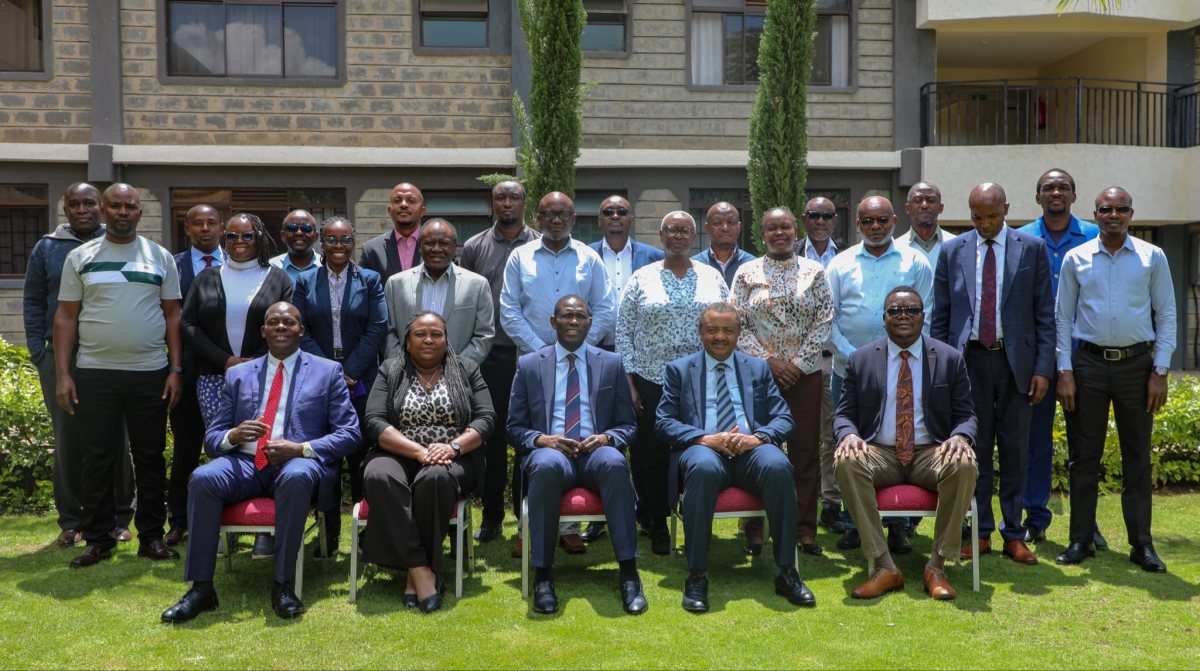
The Kenya-UK Health Alliance will prioritise local pharmaceutical research, home-grown health financing and the development of the health workforce in its next strategic plan, as Kenya seeks to lessen its dependence on foreign drug innovation and external funding, according to KBC.
Principal Secretary for Medical Services Dr Ouma Oluga said the partnership must now concentrate on building Kenya's own capacity to develop medicines and health technologies, while improving the country's ability to pay for its healthcare needs.
He was speaking at a strategic planning seminar in Machakos County held to mark five years of the bilateral partnership.
Pressures on the health system
Dr Oluga pointed to shifting disease patterns, changing models of health financing and growing public expectations as the main challenges shaping healthcare systems today.
To respond, he called for more investment in pharmaceutical research, drug development and the discovery of new molecules, arguing that this would reduce Kenya's reliance on innovations and patents held outside the country.
The PS also stressed the importance of strengthening Primary Health Care so that non-communicable diseases can be detected and managed early. He listed diabetes, hypertension, cardiovascular disease, cancer and mental health conditions among the illnesses requiring closer attention.
He added that health systems need to be better prepared for emerging public health threats linked to climate change, migration and interactions between humans and animals.
Domestic financing through SHA
With global donor priorities continuing to shift, Dr Oluga urged greater mobilisation of domestic resources through the Social Health Authority (SHA).
He identified several pillars he considers critical to a sustainable health system:
- Stronger local financing mechanisms
- Investment in the health workforce
- Local manufacturing of health products
- Digitisation of healthcare services
He also called on health institutions, county governments and academic institutions to coordinate more closely and avoid duplicating investments in service delivery.
Next phase of the partnership
As the alliance moves into its next phase, the PS appealed for deeper collaboration between Kenyan and UK institutions through specialised training, professional exchanges and joint innovation.
He further urged partners to build research into routine clinical practice so that scientific findings lead to better outcomes for patients.
The five-year partnership brings together health institutions, academic bodies and other stakeholders from Kenya and the United Kingdom, with the aim of strengthening healthcare systems through institutional collaboration and the exchange of knowledge, KBC reported.
Details of the new strategic plan, including timelines and funding commitments, were not disclosed in the report.
This story was prepared by the Hamasta Newsdesk with AI assistance, based on reporting by KBC. Read the original report. Photo: KBC.

Tell your story on screen.
Commercials, documentaries, interviews and social video, from script to final cut.





More in Health
See all.jpeg)
PS Oluga Orders Paybills Pulled From Public Hospitals, Says Patients Overburdened
Kenya–US health deal: PS Oluga calls for shared ownership as framework is finalised
Oluga, Kananu urge newsrooms to dig deeper into maternal and newborn deaths

Governors Reject PS Oluga's Order for SHA to Pull Paybills from Public Hospitals
PS Oluga urges media to help cut maternal and newborn deaths in Kenya

Global Community Remarks
0