
Zambia police ban march against bid to scrap presidential term limits
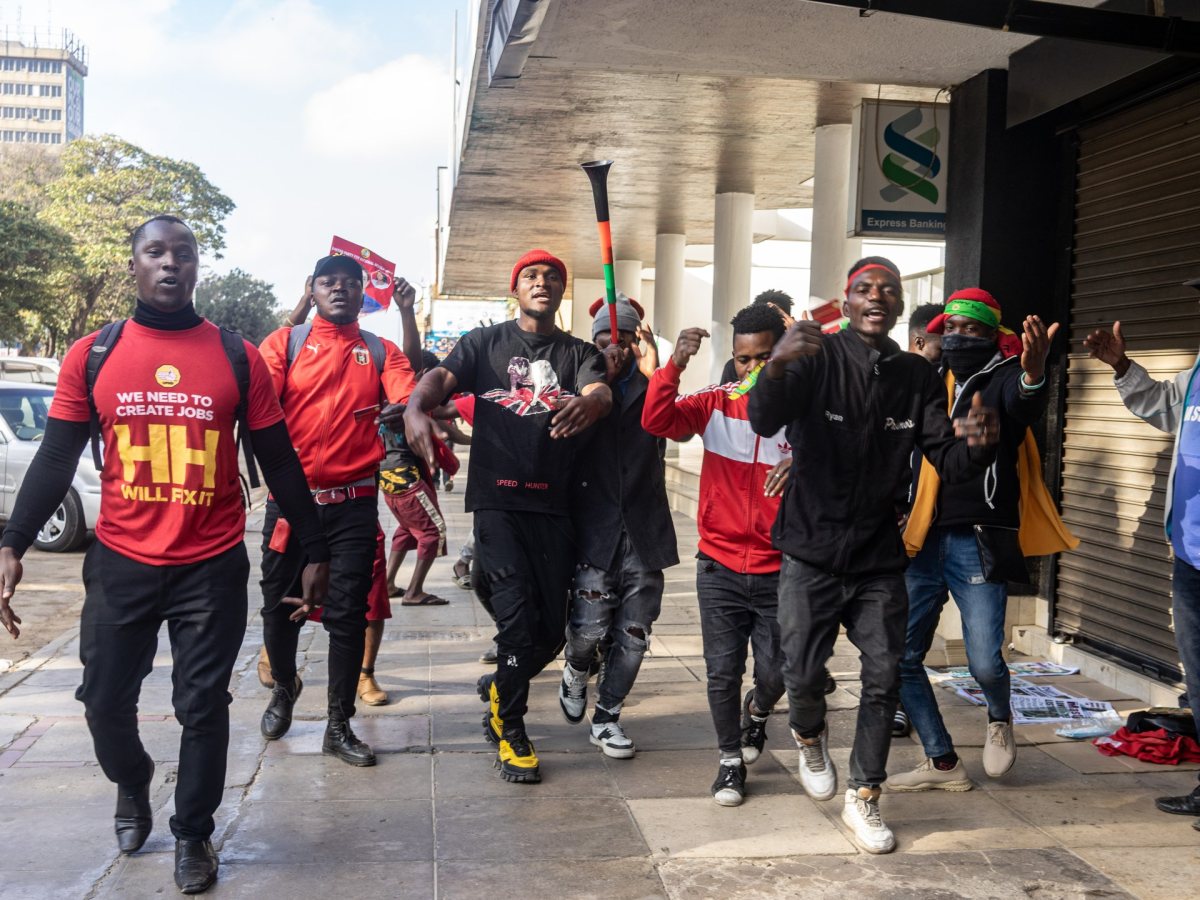
Zambian authorities have blocked a planned demonstration against proposals to scrap presidential term limits, a move that has deepened concern over political freedoms following President Hakainde Hichilema's disputed re-election in August, according to Al Jazeera.
Civil society groups and human rights defenders had planned to march on November 25 to oppose changes that could allow Hichilema to remain in power after 2031, when his second and final five-year term is due to expire.
Police said the protest posed a risk of confrontation after a pro-government youth alliance announced its own march in support of removing the limits.
Petition to parliament
Three organisations aligned with the governing United Party for National Development (UPND) have asked the National Assembly to lift constitutional restrictions on presidential terms, which could open the way for Hichilema to seek a third term.
The push has been opposed by civil society organisations, the Catholic Church and the Law Association of Zambia (LAZ), all of which have urged an end to the debate.
Home Affairs and Internal Security Minister Clement Andeleki defended the cancellation of both marches and told Al Jazeera there was no third term being sought by the president, arguing protesters therefore had nothing to march about.
State House has also tried to calm critics. Presidential communications official Clayson Hamasaka said on November 20 that Hichilema would respect the constitution "at all times" and upheld citizens' freedom of expression.
The ban came days after Justice Minister Jack Mwiimbu promised to protect citizens petitioning parliament for the removal of term limits, adding that the president would respect any constitutional amendments.
Organisers appeal
Linda Kasonde, a former LAZ president and one of the organisers, told Al Jazeera the group had asked police for an alternative date and appealed to the home affairs minister. She said the organisers remained committed to peaceful protest.
Kasonde linked the term-limits campaign to what she described as a loss of legitimacy after a contested election, rather than to any ideological motive.
The UPND's head of media, Mark Simuuwe, rejected claims that the campaign was about a third term for Hichilema, saying the party considered the current limits undemocratic because they prevent voters from choosing the leader they want.
Disputed vote and detained rivals
Hichilema won more than 61 percent of the vote in August, but observers including the European Union Election Observation Mission reported irregularities. These included a six-hour suspension of counting and results announcements, soldiers deployed at polling and tallying centres, and the removal of opposition and independent monitors. Courts were also closed after the vote.
Runner-up Brian Mundubile, who accused Hichilema of fraud, was arrested with his running mate Makebi Zulu in a post-election crackdown. Former minister Mutotwe Kafwaya was fatally wounded by security forces during a raid on a Lusaka house where senior opposition figures were meeting.
Mundubile, Zulu and other opposition figures have been held for more than 100 days. A day before the High Court was due to rule on their detention, prosecutors filed treason charges, a non-bailable offence in Zambia that carries a possible life sentence. Defence lawyer Sakwiba Sikota told Al Jazeera the trial is expected to start in 2027.
Muhabi Lungu, secretary-general of the opposition Tonse Alliance, alleged the prosecutions were designed to weaken the opposition ahead of constitutional changes, and called for a speedy trial and public disclosure of evidence.
Parliamentary hurdle
Amending the constitution requires the backing of at least two-thirds of MPs, and further procedures may apply to changes affecting presidential tenure. The UPND lacks a two-thirds majority but could seek support from independents and other legislators.
Critics warn that scrapping the limits would erode a key safeguard in a country that has seen several peaceful handovers of power since multiparty politics returned in 1991, including Hichilema's own defeat of incumbent Edgar Lungu in 2021.
The debate comes as neighbouring Zimbabwe passed amendments in July extending presidential terms, while in the Democratic Republic of the Congo, President Felix Tshisekedi has approved legislation enabling constitutional changes to go to a referendum.
This story was prepared by the Hamasta Newsdesk with AI assistance, based on reporting by Al Jazeera. Read the original report. Photo: Al Jazeera.
Every moment, captured beautifully.
Events, corporate portraits, products and editorial shoots by our newsroom photographers.






More in International
See all
Zambia opposition leader Brian Mundubile formally indicted on treason charges
'I am not alone in this predicament': African beauty queens locked out of Miss Universe as US visa restrictions bite
Ruto Receives Global PR Lifetime Achievement Award at Ceremony in Abuja
El Salvador's Bukele set to register for third straight presidential term
Tinubu asks Nigerian lawmakers to scrap jail terms for attempted suicide
Global Community Remarks
0