
Young Europeans plan coordinated cost-of-living protests across more than 25 countries
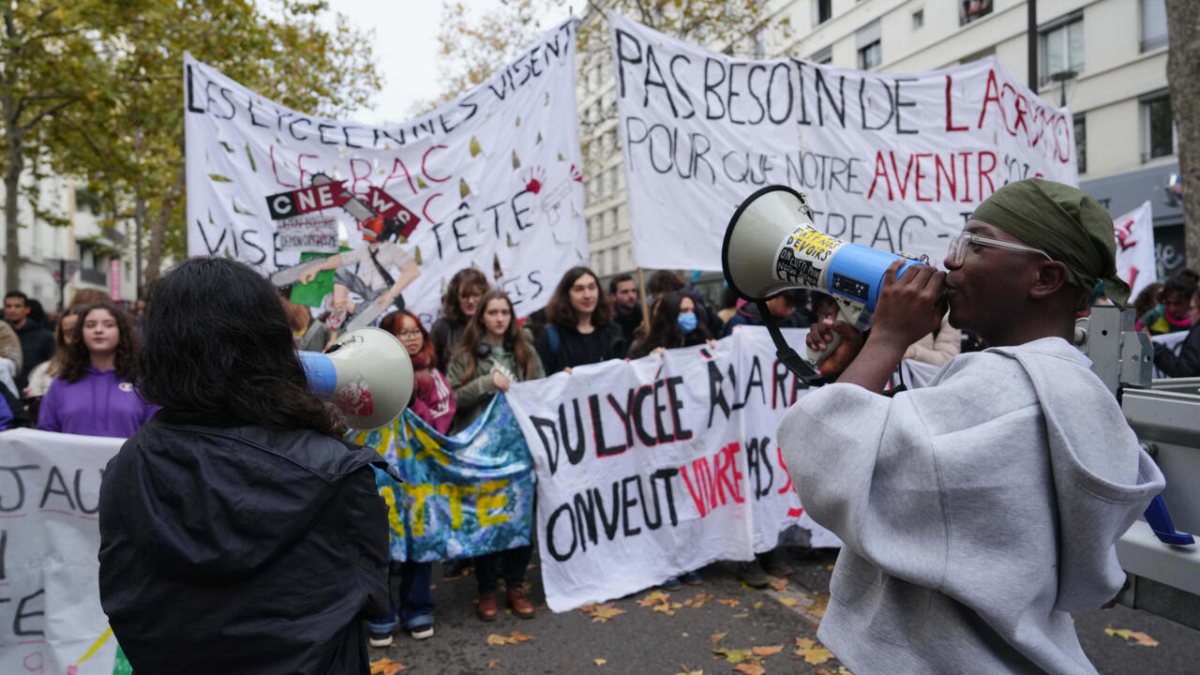
Young people in more than 25 European countries are expected to take to the streets on Friday and over the weekend in coordinated protests against the rising cost of living, militarisation and other grievances, according to France 24.
A youth-led coalition of more than 50 student and youth organisations says the simultaneous rallies are meant to show solidarity across borders and raise pressure on governments. Unions and activists from France, Britain, Belgium, Spain, Italy, Portugal and Greece are among those behind the mobilisation, which follows weeks of demonstrations in several countries.
Shared grievances
Although each national movement has its own local triggers, organisers say they are bound together by common concerns: soaring housing costs, worsening conditions in schools, wages that have failed to keep pace and growing defence budgets. Previous rounds of protest have drawn hundreds of thousands of people, France 24 reported.
Unions and housing rights campaigners have set out six broad demands. These range from a guaranteed right to housing for all to higher taxes on the wealthy and an end to rearmament policies. As the European Union moves to rearm in response to the threat from Russia, organisers argue the money should instead go to education, youth programmes and housing.
The coalition has called for a sweeping overhaul of the current system and urged young people to protest against militarisation and social injustice.
France's Yellow Vests, the movement whose street protests unsettled President Emmanuel Macron in 2018 and 2019, are also among the organisers.
How the protests will unfold
Organisers expect hundreds of protests and strikes, including in Portugal, Croatia and Switzerland, although they concede the final turnout is hard to predict.
- France: The protests fall on the eighth anniversary of the Yellow Vest movement, which started as opposition to fuel tax increases before widening into a cost-of-living revolt.
- Italy: Rallies will coincide with a general strike expected to disrupt transport, schools and hospitals, which the CGIL trade union has framed as a national call for change.
- Spain: Demonstrations mark the anniversary of the death of dictator Francisco Franco, with youth marches at midday and anti-fascist rallies in the evening.
- Germany: The collective "GenZ regelt" expects around 15,000 people in Berlin, with actions in dozens of other cities. Fears that military service could be reintroduced have pushed many young Germans to join.
A German student protester, Hannes Kramer, told France 24 that vast sums were flowing into the military while the welfare state was being dismantled.
In southwest England, 17-year-old student Zennor Tyndale-Biscoe, who planned to march in Truro, said the day was an important chance to give young people a platform and to demand urgent, systemic change.
Roots in French school blockades
The wider movement traces its origins to French secondary school students who began blockading their schools in mid-September to demand better learning conditions. That campaign grew into a nationwide protest against high prices, weak public services and police brutality. Several young people have lost their sight or hands to police weapons, and thousands have reported severe effects from tear gas, according to France 24.
Similar student actions have since spread to Belgium, Italy and Spain, where the French word "blocus", meaning blockade, has become a popular hashtag.
The protests come as Russia's invasion of Ukraine nears its fifth year and ahead of key elections in Spain, France, Italy and Greece.
French historian Sylvain Boulouque noted that youth movements were emerging around the world at the same time.
"What unites almost all of these demonstrations is distrust of law enforcement and political authorities." — Sylvain Boulouque
For Kenyan readers, the European wave echoes the youth-led protests against the 2024 Finance Bill, which showed how young people organising largely online can force economic questions to the top of the political agenda.
This story was prepared by the Hamasta Newsdesk with AI assistance, based on reporting by France 24. Read the original report. Photo: France 24.

Tell your story on screen.
Commercials, documentaries, interviews and social video, from script to final cut.





More in International
See all
Xi hails turnaround in China-Australia ties as Albanese vows constructive engagement
Pakistani minister visits New Delhi for SCO forum, first such trip since 2023
US maritime agency memo flagged Iran blockade's role in soaring Gulf shipping costs
Tinubu asks Nigerian lawmakers to scrap jail terms for attempted suicide
Contaminated petrol batters Yemeni drivers as prices and repair bills climb
Global Community Remarks
0