
UNAIDS warns new HIV infections could rise as international funding falls
The number of people newly infected with HIV could start climbing again after years of steady decline, the United Nations has warned. It blamed shrinking international funding and campaigns against human rights for putting hard-won gains at risk.
In its annual global update released on Tuesday, the UN agency UNAIDS said the world had come closer to bringing the HIV pandemic under control. However, it cautioned that changes in funding, and the disruption to services that has followed, now endanger that progress, according to DW News.
Deaths at a two-decade low
The report shows that AIDS-related deaths have fallen to their lowest level in more than 20 years. UNAIDS credited wider access to treatment and better quality care for the improvement.
About 570,000 people died of AIDS-related causes worldwide in 2025, or nearly 1,600 deaths a day. That compares with 600,000 deaths in 2024 and 1.3 million in 2010.
Drawing on data from 172 countries, the agency estimated that 41 million people were living with HIV in 2025. Of these, 32.1 million were on antiretroviral treatment.
UNAIDS said the wider use of antiretroviral drugs also lowers the chance of the virus being passed on. It estimated that 1.2 million people acquired HIV in 2025, down from 1.3 million the previous year. New infections peaked at 3.5 million in 1994.
The agency noted that life-saving medicines have turned HIV from a death sentence into a manageable condition for millions of people.
Funding squeeze
Despite those gains, UNAIDS said cuts to international support are now hampering the response. International financing for HIV programmes fell by 18 per cent over the past year, it said, adding that the losses had destabilised programmes around the world at a time when official development assistance was already contracting.
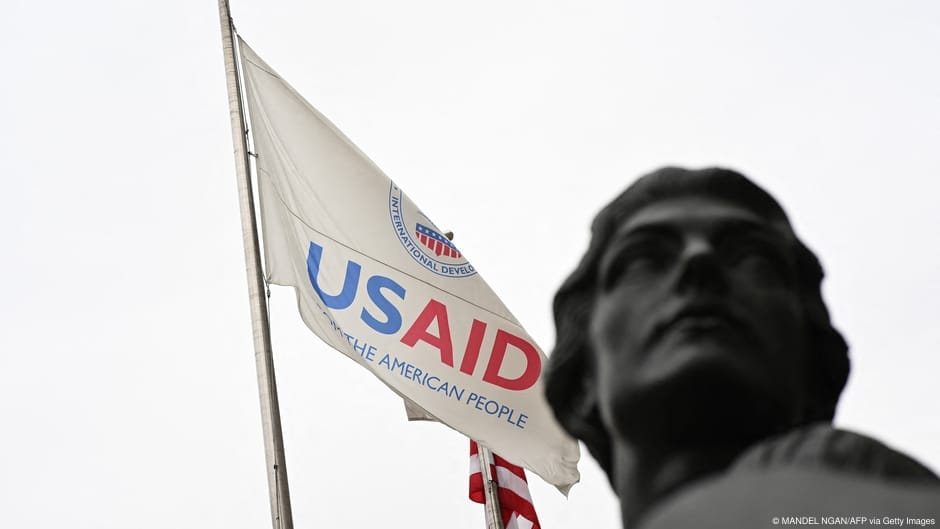
The United States is still the largest international donor to HIV programmes, but its contributions dropped by 26 per cent between 2024 and 2025. Last year, the administration of President Donald Trump dismantled USAID, which was the world's largest foreign aid agency, and has since sought to replace decades of aid with new bilateral agreements.
UNAIDS said the effect of the US cuts had been especially severe because many countries depend on American support for their core HIV programmes.
Disbursements from the Global Fund to Fight AIDS, Tuberculosis and Malaria also fell, dropping by 13 per cent in 2025.
'Signs of reversals'
UNAIDS executive director Winnie Byanyima told Reuters, as reported by DW News, that the world was on the verge of ending AIDS, which she described as one of the greatest achievements in global health. She warned that funding cuts and the rolling back of human rights now threaten to erase those gains.
She said the figures confirming a reversal were not yet available, but that warning signs were already visible.
"We see all the signs of reversals," Byanyima said.
She predicted that data due to be published in 2027 would begin to show an increase in new HIV infections.
The warning carries particular weight for sub-Saharan Africa, the region that bears the heaviest burden of HIV globally and where many national programmes have long relied on international donor support.
This story was prepared by the Hamasta Newsdesk with AI assistance, based on reporting by DW News. Read the original report. Photo: DW News.





Show the impact of your work.
Impact stories, campaign videos and community engagement for NGOs and programmes.

More in Health
See all
Children and youth make up 55% of new HIV cases as Kenya targets paediatric gaps

KeNHA Warns of Mombasa Road Disruption for World AIDS Day Half Marathon

Ageing with HIV: why health systems must prepare for older patients
.jpeg)
Fact-check: Memo claiming HIV surge at Tharaka University is fake
WHO warns testing and funding gaps are weakening global fight against drug resistance
Global Community Remarks
0