
EPRA Proposes Grid Charges of Up to Ksh1.55 per Unit for Firms Buying Power Directly
Businesses that buy electricity directly from independent power producers could pay up to Ksh1.55 for every unit moved across the national grid, under draft rules published by the Energy and Petroleum Regulatory Authority (EPRA).
The charges are set out in a wheeling framework and tariff methodology, part of Kenya's shift towards an open-access electricity market, according to Kenyans.co.ke. Under such a market, eligible firms would be able to source power from producers other than Kenya Power.
How the charges are structured
The proposed fees depend on which part of the grid a transaction uses. The draft sets out three rates:
- Distribution network only: Ksh0.95 per kilowatt-hour (kWh)
- Transmission network only: Ksh0.60 per kWh
- Both networks: a combined Ksh1.55 per kWh
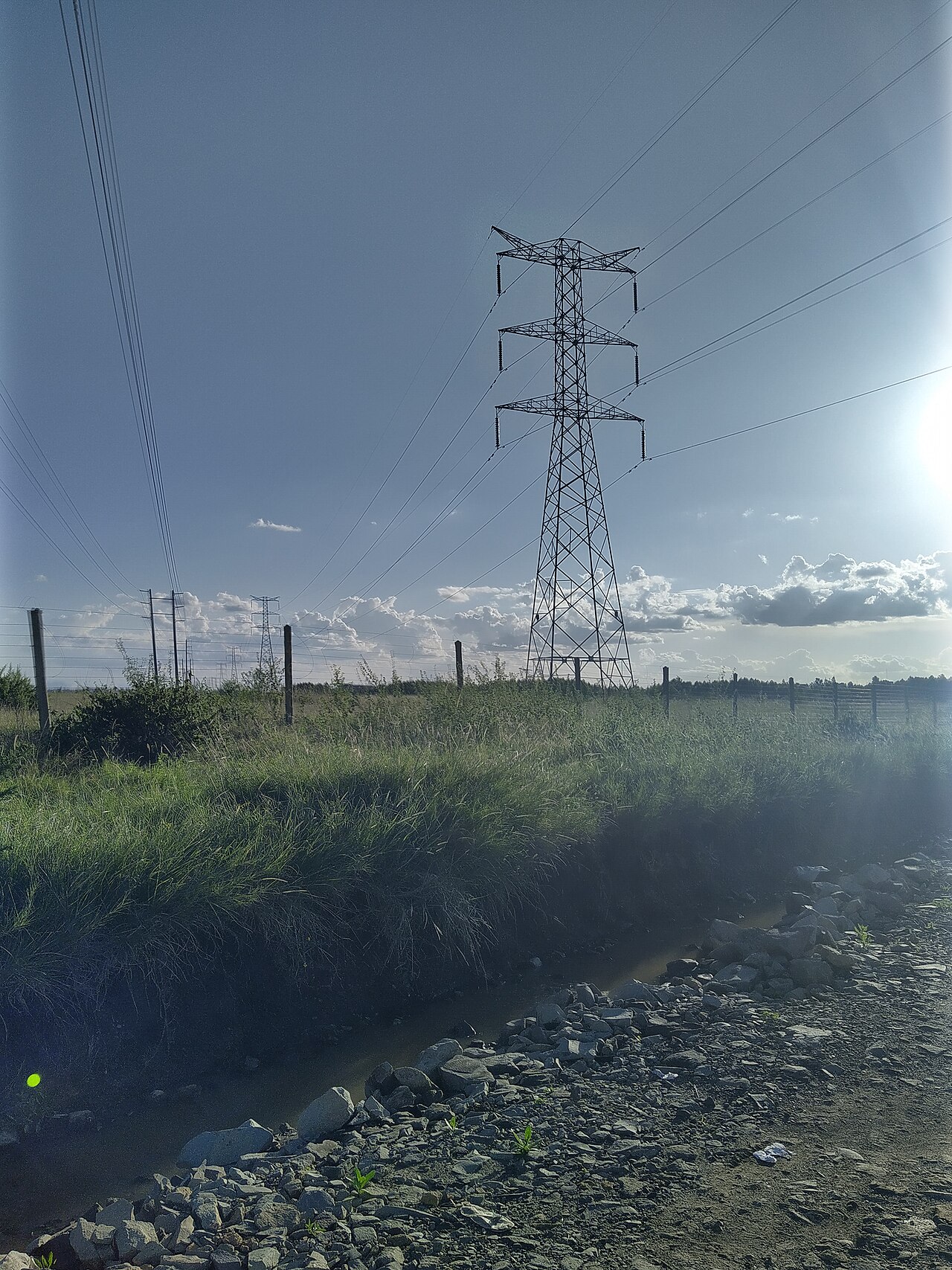
The fees are meant to pay the owners and operators of existing power lines for carrying electricity from a generator to a buyer. In practice, a company that strikes a supply deal with a private producer would not have to build its own lines, but would instead pay to use infrastructure run by Kenya Power and the Kenya Electricity Transmission Company (KETRACO).
As an illustration, a business moving 1,000 units of power through both networks would pay Ksh1,550 in wheeling charges alone.
Additional levies
The wheeling tariffs would not be the only costs. The draft also provides for a Rural Electrification Programme levy equal to 5 per cent of the value of electricity transported, as well as an EPRA levy of Ksh0.08 per kWh.
Network operators would be tasked with collecting these levies and passing them on to the relevant agencies. The framework states that the network service provider or operator "shall be responsible for collection and remitting the above levies."
Revenue sharing between KETRACO and Kenya Power
The proposal also sets out how money from wheeling charges would be divided between the two infrastructure firms, based on their respective network assets.
For transactions that use only the transmission network, KETRACO would take 91 per cent of the revenue and Kenya Power 9 per cent. Where both transmission and distribution lines are used, Kenya Power would receive 57 per cent while KETRACO would get 43 per cent.
Guaranteed network availability
Under firm wheeling contracts, the draft provides for the network to be available at least 90 per cent of the time. Where actual availability falls below that threshold, payments would be adjusted accordingly.
Public participation
The proposals are not yet final. EPRA is currently accepting written submissions from the public and other stakeholders, and is scheduled to hold consultation forums from December 7 to 11, 2026, Kenyans.co.ke reported.
The new charges and changes are expected to take effect next year once the consultation process is concluded.
The move is significant for large electricity users such as manufacturers, who have long relied on Kenya Power as the main supplier. An open-access regime would allow them to negotiate supply directly with generators while still relying on the existing grid to deliver the power.
This story was prepared by the Hamasta Newsdesk with AI assistance, based on reporting by Kenyans.co.ke. Read the original report. Photo: Kenyans.co.ke.



Grow an audience that listens.
Social media management, digital campaigns and online storytelling that converts.



More in Business
See all
KETRACO advertises senior, technical and administrative jobs for Kenyans
EPRA Adds About Ksh4.56 Per Unit to Electricity Bills for November
Fuel shortage looms as independent dealers tell members to stop buying from oil firms charging above EPRA caps
Kenya Power Seeks Partners to Offer Electricity Token Loans to Prepaid Customers
EPRA sets Ksh4.10 per unit in fuel, forex and water charges on October power bills
Global Community Remarks
0