
EPRA Adds About Ksh4.56 Per Unit to Electricity Bills for November
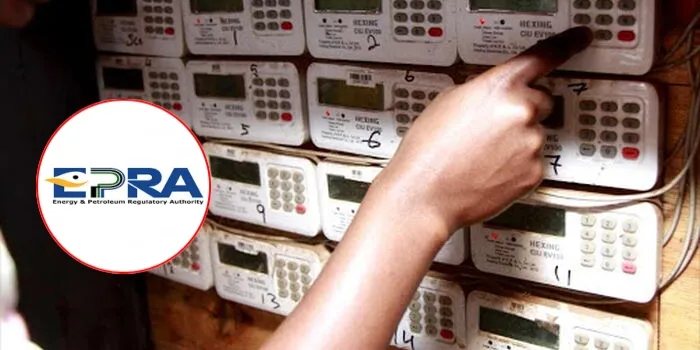
Electricity consumers across Kenya will pay roughly Ksh4.56 more for every unit of power used in November after the Energy and Petroleum Regulatory Authority (EPRA) published three separate adjustments to the monthly billing cycle, according to Kenyans.co.ke.
The charges, contained in a Gazette Notice dated Friday, November 20, apply to all meter readings taken in November 2026. Together they add Ksh4.5567 per kilowatt-hour (kWh) to the base tariff paid by households and businesses.
Breakdown of the charges
The increase is made up of three components:
- Fuel Energy Cost Charge: Ksh3.54 per kWh
- Foreign Exchange Fluctuation Adjustment: Ksh1.0031 per kWh
- Water Resource Management Authority (WRMA) levy: Ksh0.013606 per kWh
The fuel charge, the largest of the three, is designed to recover the money spent on fuel used in power generation, particularly at thermal plants that run on diesel. EPRA based its calculation on generation data from diesel, geothermal, thermal and other power stations, as well as electricity imported into the country.
In its notice, the regulator said prices set out in the tariff schedule would be subject to a fuel energy cost charge of "plus 354 Kenya cents per kWh for all meter readings to be taken in November 2026."
Currency movements and hydropower levy
The foreign exchange adjustment reflects gains and losses that electricity sector players make as a result of shifts in currency values. These players include Kenya Power, the Kenya Electricity Generating Company (KenGen) and independent power producers.
For the November cycle, EPRA reported that the three groups together recorded foreign exchange gains of about Ksh1.16 billion in October 2026.
The WRMA levy, the smallest of the charges, is applied to electricity bought from qualifying hydropower plants with a generating capacity of at least one megawatt. According to the regulator, 314.19 million units of electricity were purchased from such stations in October, and that figure formed the basis for the November levy.
A pattern of monthly increases
The latest adjustments continue a run of additional monthly charges on power bills. EPRA had added Ksh4.1 per unit in the October cycle, Kenyans.co.ke reported.
The publication further noted that additional charges of Ksh4.16 and Ksh4.7 per unit were applied in September and August respectively, steadily pushing up what consumers pay for power.
The increases come as many Kenyans continue to complain about the rising cost of electricity, which feeds directly into household budgets and the operating costs of businesses, adding to wider cost-of-living pressures.
Pass-through charges such as the fuel cost and foreign exchange adjustments are reviewed monthly by the regulator and reflect changing conditions in the power sector, meaning the amount added to bills can vary from one billing cycle to the next.
For November, however, consumers can expect every kilowatt-hour they buy, whether through prepaid tokens or postpaid accounts, to carry an extra charge of about Ksh4.56 on top of the base tariff.
This story was prepared by the Hamasta Newsdesk with AI assistance, based on reporting by Kenyans.co.ke. Read the original report. Photo: Kenyans.co.ke.


Take your event live to thousands.
Multi-camera live streams, panel discussions and digital broadcasts with professional crews.




More in Business
See all
EPRA sets Ksh4.10 per unit in fuel, forex and water charges on October power bills

KenGen pitches Olkaria geothermal power to draw Sh103bn green fertiliser plant
KRA rejects KenGen's Sh6bn tax break claims on power plant investments

KenGen ranked 20th among Africa's top 25 energy companies on the back of geothermal power

EPRA tells MPs no outside hand sets fuel prices as committee demands vernacular radio updates and adulteration crackdown
Global Community Remarks
0