
EPRA tells MPs no outside hand sets fuel prices as committee demands vernacular radio updates and adulteration crackdown

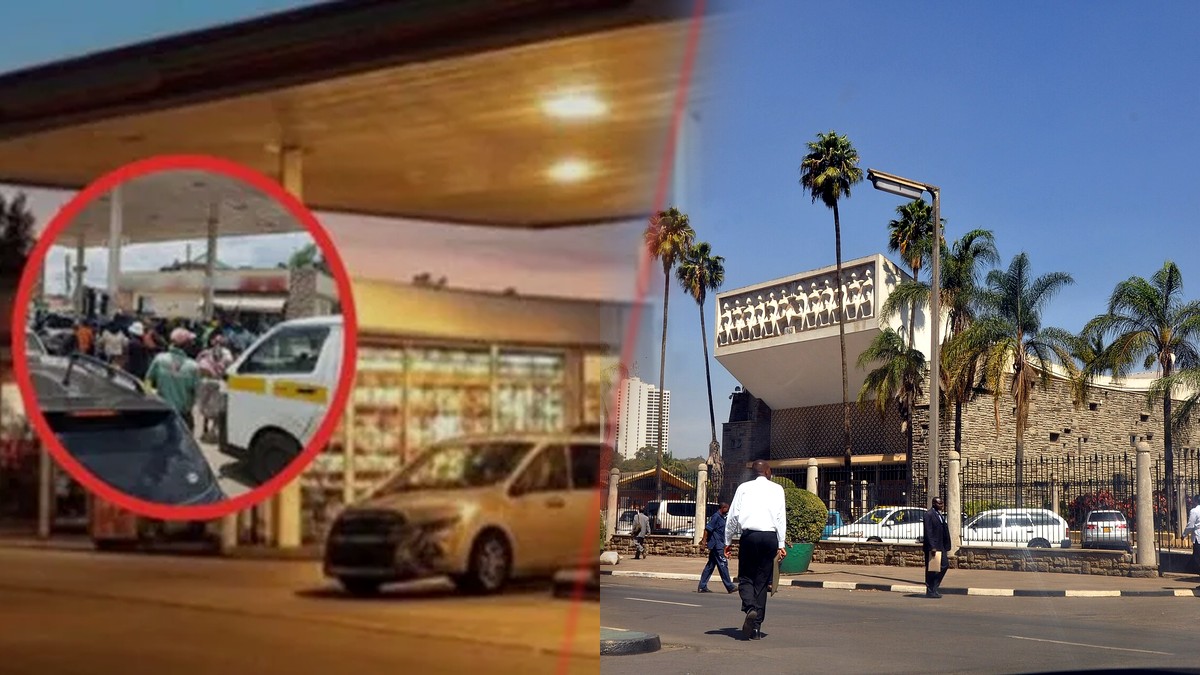
The Energy and Petroleum Regulatory Authority (EPRA) has insisted that no external player influences how fuel prices are set in Kenya, as Members of Parliament pressed the regulator to do a better job of explaining price changes and shortages to ordinary motorists and households.
EPRA Director General Edward Kinyua made the remarks on Wednesday, October 28, when he appeared before the National Assembly Departmental Committee on Energy in Naivasha, Nakuru County. The committee was reviewing how the energy sector spent its budget in the 2025/2026 financial year, with Petroleum Principal Secretary Kello Harsama, KenGen and Nuclear Power and Energy Agency officials also in attendance.
Regulator defends its independence
Kinyua told the lawmakers that the authority runs its pricing formula independently and is not swayed by outside interests. He said EPRA had already begun working with television stations and vernacular media to explain developments in the petroleum sector and the factors that drive prices, and that it would hold public participation whenever it was required.
The session comes about two weeks after EPRA raised pump prices in its mid-October review, citing tensions in the Middle East. Petrol went up by Sh12.93 a litre, diesel by Sh9.90 and kerosene by Sh28.49. In Nairobi, a litre of Super Petrol now retails at Sh226.96, diesel at Sh227.76 and kerosene at Sh219.87.
MPs want simpler messages and tougher enforcement
Committee chairperson David Gikaria, the Nakuru Town East MP, urged the regulator to improve how it communicates on prices and supply, including how global events feed into local costs. He asked EPRA to use vernacular radio stations to reach Kenyans who do not follow mainstream media.
Gikaria also called for firmer action against fuel adulteration, which he said threatened fuel quality and consumer protection. "You need control over this business of petroleum adulteration," he told the officials. He recalled that measures introduced in 2018, when he previously chaired the committee, had sharply reduced the vice.
The concern is not new. The steep rise in kerosene prices in October narrowed the gap between kerosene and diesel, a gap that in the past encouraged unscrupulous traders to mix the cheaper fuel into diesel.
Subsidy claims and stalled projects
The State Department for Petroleum told the committee that delays in procurement and in planned projects, especially the LPG distribution programme, had slowed spending of its allocation. The department said it had absorbed 86 per cent of its subsidy funds, blaming delays by oil marketers in lodging claims with EPRA for the June 15 to July 14, 2026 pricing cycle.
That cycle alone recorded fuel price stabilisation costs of Sh10.3 billion, which were received in July 2026.
PS Harsama also told MPs that the government had opted for a private developer for the proposed oil refinery because the investment was too costly for the State to fund on its own.
The hearing adds to pressure on the fuel sector this week, as independent dealers threaten to stop buying from oil marketers they accuse of charging above EPRA's caps.
Photos: Kenyans.co.ke (EPRA/petrol station); Jorge Láscar via Wikimedia Commons (CC BY-SA 2.0). Thumbnail design: HAMASTA MEDIA.


Grow an audience that listens.
Social media management, digital campaigns and online storytelling that converts.



More in Business
See all
Kindiki launches Karima Kabutu irrigation scheme in Othaya to water 834 acres for 1,668 Nyeri households
US Federal Reserve holds rates at 3.75-4% in split vote as markets bet on December hike
Ruto to break ground on 60km Nairobi-Thika Expressway within two months, Kindiki says
Kenya Railways launches dedicated CMA CGM block train from Mombasa port to Embakasi ICD, first run hauls 108 TEUs

Kenya using only a tenth of its EU export potential despite duty-free deal, manufacturers say as new export catalogue launches
KRA to hold cargo without local marine insurance from November 1 as clearing agents warn of higher costs
Global Community Remarks
0