
KRA to hold cargo without local marine insurance from November 1 as clearing agents warn of higher costs
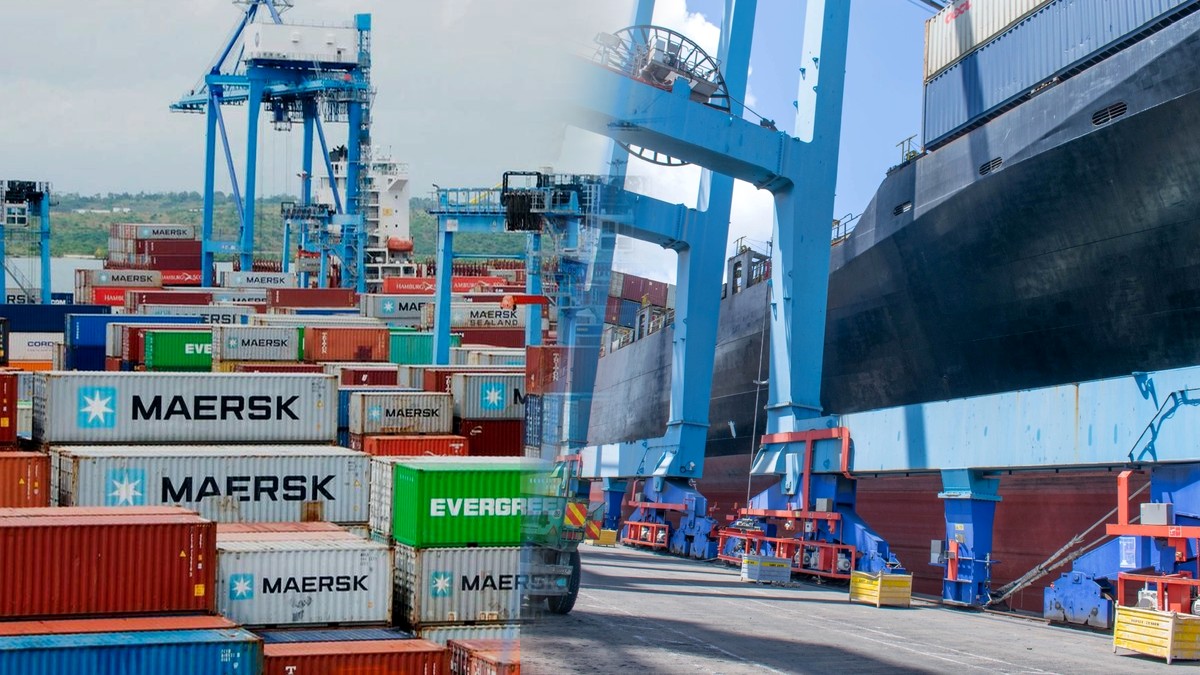
Importers have until the end of this week to switch to locally underwritten marine cover, after the Kenya Revenue Authority (KRA) said it will stop clearing cargo that lacks a digital marine cargo insurance certificate from Sunday, November 1.
The notice, issued with the Insurance Regulatory Authority (IRA), requires a valid digital certificate for every incoming consignment, according to Business Daily and Techweez. Goods without one will be held until the cover is in place.
How the new system works
The cover must come from an insurer licensed by the IRA and must be arranged before the customs declaration is lodged, not afterwards. The process runs as follows:
- The importer obtains an Import Declaration Form (IDF) for the consignment.
- The IDF is used to generate a digital marine cargo insurance certificate through an insurer portal or another platform linked to the IRA system.
- The premium is paid through the eCitizen payment channel.
- The certificate and payment confirmation are transmitted to KRA's Integrated Customs Management System (iCMS), and only then can a declaration be submitted.
The National Treasury directed the IRA to build the platform with KRA and Safaricom. Insurers reported to be on the system include APA, Britam, CIC, Old Mutual, Pacis and Dynamique.
A long-delayed rule
Section 16A of the Marine Insurance Act, introduced through the Finance Act, 2017, has required imports to be insured locally since January 2017. In practice, compliance stayed low because customs kept clearing goods insured abroad, often under Cost, Insurance and Freight (CIF) contracts in which the foreign seller arranges the cover.
The authorities first announced strict enforcement from February 14, 2025, but the plan stalled over technical problems with the digital platform. The IRA later set July 1, 2026 as the start date before the deadline was pushed again to November 1.
The government says the rule will keep premiums in the country and strengthen local underwriters. Industry estimates put the business lost to foreign insurers at more than Sh70 billion a year, although that figure has not been independently verified.
Cost worries at the port
Clearing agents say the extra paperwork and premiums will end up with consumers. "It will come with the cost, and it has to be transferred to the final user; we cannot bear it alone," Mombasa-based clearing agent John Mwashinga told Business Daily.
Importers buying on CIF terms are the most exposed, as they will need to renegotiate with overseas suppliers to avoid paying for cover twice. Manufacturers importing raw materials and machinery, traders and motor vehicle dealers could also face delays if the platform fails while cargo is already at the port.
Techweez notes that the law is narrower than the notice: Section 16A refers to persons with an insurable interest in imported goods and allows the Commissioner to grant exemptions, but the notice does not say how these will be handled.
Photos: Reuters via Business Daily; Techweez. Thumbnail design: HAMASTA MEDIA.




Show the impact of your work.
Impact stories, campaign videos and community engagement for NGOs and programmes.

More in Business
See all
Liquidated KUSCCO puts 42 properties under the hammer in three November auctions

AFA shuts avocado sea exports from Friday over low supply, warns mango shippers against mixing cargo

EPRA promises oil marketers advance compensation for extra fuel volumes as dealers warn of stock-outs

Why a litre of petrol costs Sh227: inside Kenya's fuel price squeeze
Kenya's Sh13.48 trillion debt: Where the money goes and what it costs you

Global Community Remarks
0