
EPRA promises oil marketers advance compensation for extra fuel volumes as dealers warn of stock-outs
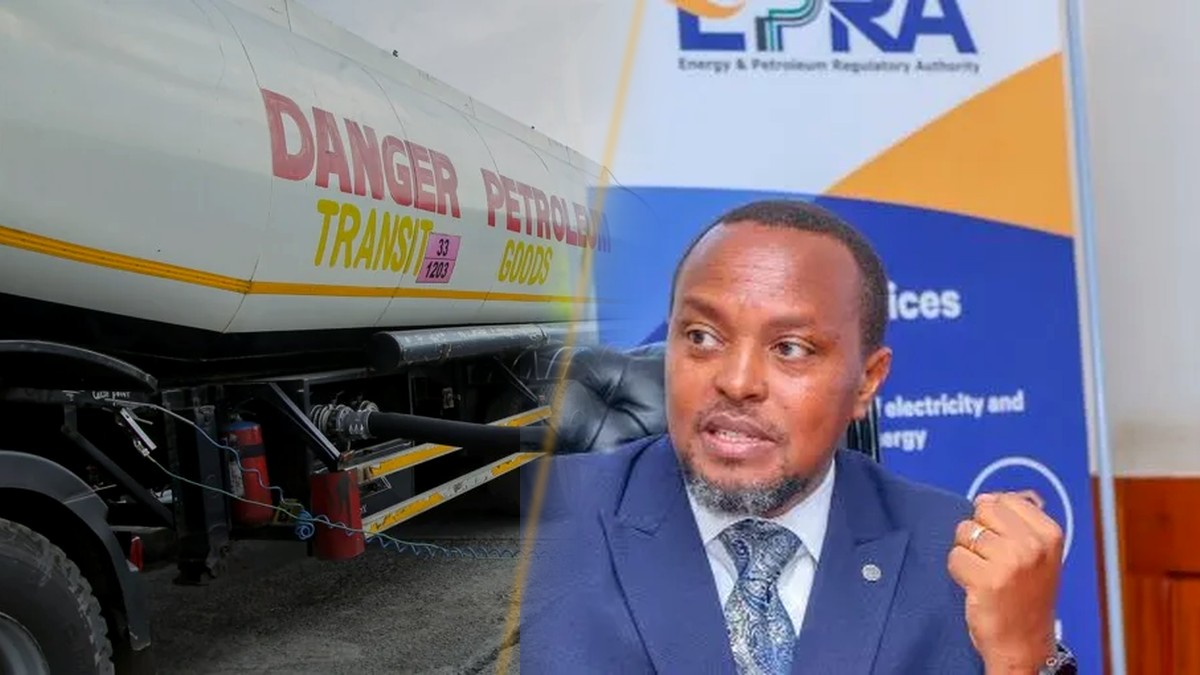
The Energy and Petroleum Regulatory Authority (EPRA) has moved to calm a growing dispute in the fuel supply chain, promising oil marketing companies (OMCs) compensation for any fuel they bring in beyond the volumes assumed in the monthly price calculations.
In a letter dated Tuesday, October 27, addressed to the chief executives of oil marketers, EPRA Director General Edward Kinyua said firms that access volumes above those factored into the current and subsequent pricing cycles would qualify for "advance sales compensation". According to copies of the letter reported by Kenyans.co.ke and The Eastleigh Voice, the aim is "to ensure uninterrupted supply in the country" and to cover the marketers' exposure to the price lag.
How the arrangement will work
Price lag refers to the gap between what marketers actually pay for fuel and the costs used by the regulator when it sets pump prices every month. When international prices move faster than the review cycle, marketers argue they are left carrying the difference.
- Excess volumes and the extra costs attached to them will be handled on a first-in, first-out basis.
- The claims will be verified using Kenya Revenue Authority (KRA) data.
- The letter responds to earlier correspondence from the Principal Secretary in the State Department for Petroleum dated October 1.
Dealers say the caps are being ignored
The letter landed as the Petroleum Outlets Association of Kenya (POAK) and the Kenya Independent Petroleum Dealers Association (KIPEDA) told independent stations to immediately stop buying from suppliers charging above the gazetted wholesale prices.
The two associations claim that some marketers have been selling above the maximum wholesale prices since the October 14 price review, despite complaints to EPRA and the State Department for Petroleum. They say the practice has created what they called "an unsustainable margin squeeze", leaving some outlets facing stock-outs and others weighing closure.
The dealers want the regulator to sanction non-compliant firms and have asked for talks with the Ministry of Energy and Petroleum. The oil marketers have not publicly responded to the allegations.
Prices at the pump
Under the current cycle, which runs from October 15 to November 14, Super Petrol in Nairobi retails at Sh226.96 a litre, diesel at Sh227.76 and kerosene at Sh219.87. The maximum wholesale prices are Sh211.80 for petrol, Sh212.60 for diesel and Sh204.79 for kerosene.
The October review raised petrol by Sh12.93, diesel by Sh9.90 and kerosene by Sh28.49 a litre after the government suspended the price stabilisation mechanism that had cushioned motorists.
Kinyua has linked the pressure to the conflict in the Middle East, saying international petrol prices climbed to about $1,300 a tonne from roughly $600 earlier in the crisis. He has also said part of the steep kerosene increase was meant to narrow its price gap with petrol and diesel, which he argues encourages adulteration of motor fuels with cheaper kerosene.
It remains unclear whether the compensation promise will persuade marketers to keep to the wholesale caps, or whether independent dealers will lift their buying boycott before the next review on November 14.
Photos: Kenyans.co.ke (EPRA Director General Edward Kinyua); Kenya Pipeline Company via The Eastleigh Voice. Thumbnail design: HAMASTA MEDIA.



Know what people say about you.
Media monitoring, audience insights and strategic communication for your brand.


More in Business
See all
KRA to hold cargo without local marine insurance from November 1 as clearing agents warn of higher costs
Liquidated KUSCCO puts 42 properties under the hammer in three November auctions
AFA shuts avocado sea exports from Friday over low supply, warns mango shippers against mixing cargo
Why a litre of petrol costs Sh227: inside Kenya's fuel price squeeze
Kenya's Sh13.48 trillion debt: Where the money goes and what it costs you
Global Community Remarks
0