
Why a litre of petrol costs Sh227: inside Kenya's fuel price squeeze

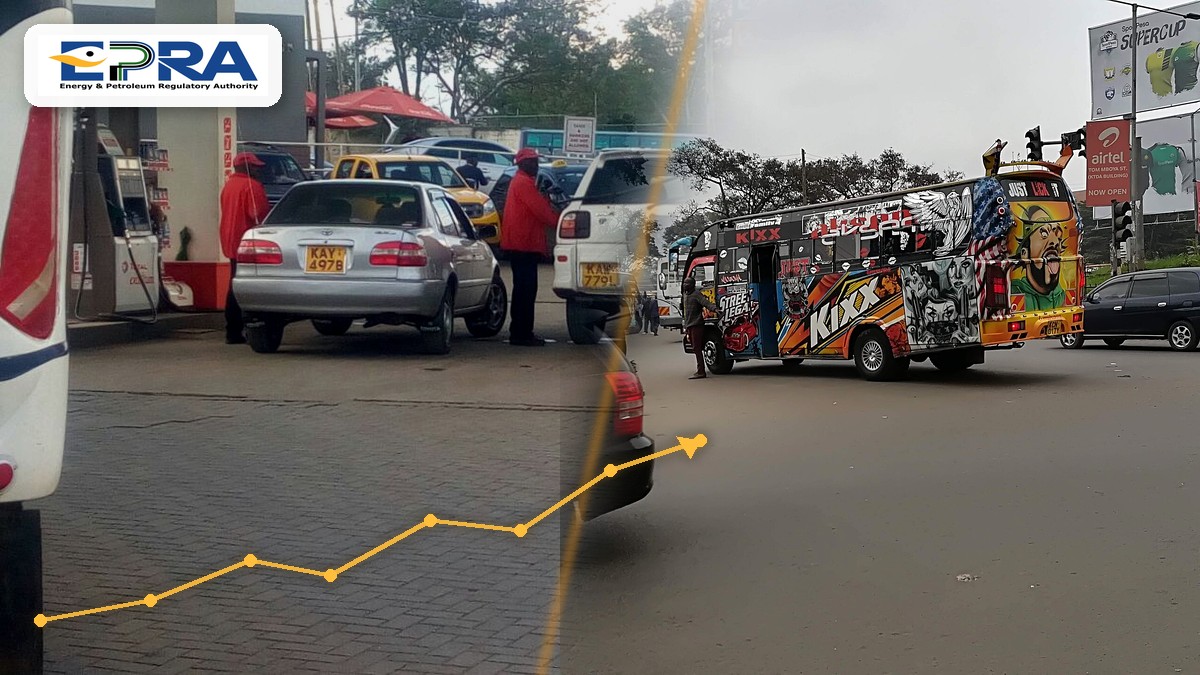
A litre of super petrol in Nairobi now costs up to Sh226.96, and for the first time in months the government has deliberately chosen not to cushion it. Behind that number lies a chain running from drone-hit Gulf refineries, through taxes that take about a third of every litre, to this week's fight between small stations and the oil companies that supply them.
What you need to know
- EPRA raised Nairobi pump prices on 15 October by Sh12.93 for petrol (to Sh226.96), Sh9.90 for diesel (Sh227.76) and Sh28.49 for kerosene (Sh219.87), for the cycle ending 14 November.
- The regulator did not apply the fuel price stabilisation mechanism this month, saying it wants to preserve the fund for possible further increases in November and December.
- Taxes and levies made up about 34.5 per cent of the petrol price in the previous cycle, even with VAT cut to 8 per cent.
- Independent dealers say oil marketers are selling to them above the legal wholesale caps, and on 27 October told their members to stop buying.
- Transport inflation was 15.6 per cent in September, and matatu owners say fare rises are coming.
Where your Sh227 goes
The biggest single part of a litre is the fuel itself. According to EPRA figures reported by Tech-ish and People Daily, the average landed cost of super petrol at Mombasa rose 11.81 per cent in September to US$977.55 per cubic metre, which at the September exchange rate of about Sh129.91 to the dollar works out to roughly Sh127 a litre. Diesel's landed cost rose 11.32 per cent to US$1,065.38 per cubic metre and kerosene's 9.41 per cent to US$1,098.31. The shilling barely moved; this is a dollar price story.
On top of that come the State's charges. EPRA's April price schedule, as reported by Kenyans.co.ke and Africa Check, put excise duty at Sh21.95 a litre on petrol and Sh11.37 on diesel, and the Road Maintenance Levy at Sh25. The Star reports that the Petroleum Development Levy adds about Sh5.40 a litre and raises Sh25 billion to Sh30 billion a year. Several smaller levies follow. Then comes VAT: Tech-ish calculates that at the reduced 8 per cent rate it accounts for about Sh16.81 of today's Nairobi petrol price, and that at the standard 16 per cent the same litre would sell for roughly Sh243.77.
The industry's own cut is smaller than many motorists assume. The April breakdown gave oil marketers a combined margin of Sh17.39 a litre on petrol, split between Sh6.14 for wholesale and Sh11.25 for the retailer, plus Sh4.93 for pipeline transport, storage and delivery. The Rio Times' analysis of the September cycle put the fuel at 53.5 per cent of the petrol price, taxes at 34.5 per cent, margins at 9.1 per cent and distribution at 2.3 per cent. Itemised figures need some caution: Africa Check noted that the levies in EPRA's April addendum did not add up to its stated totals.
The stabilisation fund that went quiet
For much of this year, the pump price was lower than the cost build-up because the government paid the difference. The Star reported in May that diesel was carrying a stabilisation subsidy of Sh23.82 a litre. EPRA Director General Edward Mwirigi Kinyua said, as reported by Pulse, that Sh29.4 billion went into price stabilisation in the 2025/26 financial year, Sh24.3 billion of it between April and June 2026. The June-July cycle alone needed a record Sh10 billion, according to the Star.
That money did not always arrive on time: the Star reported that marketers were owed more than Sh20 billion in subsidy arrears as of June. In March, according to Capital FM, the Auditor-General warned that there was no clear framework guiding the subsidy programme.
This month EPRA stopped using it. Kinyua said the fund was being kept back for possible spikes in November and December, when Western winter demand for heating fuels usually rises. He did not disclose the fund's balance. Kenyans.co.ke described the move as a suspension of the stabilisation mechanism; EPRA's framing is that the money is being preserved.
The Middle East shock and the G-to-G deal
The current crisis began, as the Star reported, with the US and Israeli attack on Iran on 28 February and the effective closure of the Strait of Hormuz, through which AFP says about a fifth of the world's oil normally passes. Brent crude peaked near US$126 a barrel in April before falling below US$70 in June, according to the Star. Diesel jumped Sh40.30 a litre in April, and another steep rise in May triggered a matatu strike that paralysed Nairobi. Treasury Cabinet Secretary John Mbadi told NTV at the time: "This is a war that we have not caused."
The pressure returned in September. Kinyua said the international price of super petrol had climbed to about US$1,300 a tonne from roughly US$600 earlier in the crisis, adding: "September has been the worst month ever since this crisis broke."
Kenya buys most of its fuel through a government-to-government deal with Saudi Aramco, ADNOC and ENOC, on 180 days' credit. Business Daily reported in June 2025 that the three firms earned Sh1.5 trillion in the deal's first two years and that it had been extended to around late 2027 or early 2028. Kinyua argues it is paying off now: he cited a diesel supply premium of US$78 a tonne under the deal, against more than US$250 on the open spot market. Critics are less convinced. The Auditor-General previously found that the deal's initial premiums were higher than under open tendering, and the Motorists Association of Kenya is now demanding an independent audit, saying the arrangement has not shown that it lowers prices.
Dealers versus oil marketers
The newest front is inside the supply chain. On 14 October EPRA also set maximum wholesale prices in Nairobi of Sh211.80 for petrol, Sh212.60 for diesel and Sh204.79 for kerosene. In a joint statement on 27 October, the Petroleum Outlets Association of Kenya (POAK) and the Kenya Independent Petroleum Dealers Association (KIPEDA) accused oil marketing companies of selling to independent stations above those caps since 15 October, creating what they called, according to Citizen Digital, "an unsustainable margin squeeze." They told members to suspend purchases above the limits and warned that "independent stations nationwide are facing critical product stock-outs," Kenyans.co.ke reported.
With only about Sh15 between the wholesale and pump caps on petrol, a few shillings of overcharging can erase a small station's margin. In March, the Star reported similar accusations of rationing against big marketers, noting that independents run up to 68 per cent of fuelling points.
Fares, food and power
Fuel feeds into almost everything else. Kenya's annual inflation rose to 6.8 per cent in September, the highest in a year, with transport up 15.6 per cent and food up 9.5 per cent, according to KNBS data reported by Nairametrics. Wheat flour rose 4.5 per cent in a single month.
Matatu owners raised fares by 25 per cent after April's hike. After this month's review, Matatu Owners Association president Albert Karakacha told the Standard: "We are businessmen; we will pass it on to the consumer," adding that "the mama mboga will have fewer customers." Fuel is about 55 per cent of road freight operating costs, according to the Kenya Transporters Association, which is how pump prices reach shop shelves.
Kerosene's Sh28.49 rise, which EPRA says is meant to close the price gap with diesel and discourage adulteration, lands hardest on poorer households who cook and light with it. Electricity bills also carry fuel: the fuel energy cost charge, which pays for diesel-fired plants backing up the grid, was Sh3.51 per unit on August bills, part of about Sh4.70 in pass-through charges, according to Kenyans.co.ke.
What to watch
- EPRA's next review on or before 14 November, and whether it draws on the stabilisation fund it has been saving.
- Whether the 8 per cent VAT rate holds to January: EPRA says it runs to 14 January 2027 after the National Assembly passed a three-month extension, but outlets have reported the dates differently.
- Any EPRA or ministry sanctions against oil marketers accused of breaching wholesale caps, and whether independent stations run dry.
- Motorists' calls for an audit of the G-to-G deal and of the Petroleum Development Levy Fund.
- October inflation figures from KNBS, due at the end of the month.
Photos: Wikimedia Commons (Kenyans at a Petrol station; KiXX matatu at a busy Nairobi intersection); EPRA logo; Thumbnail design: HAMASTA MEDIA.


Take your event live to thousands.
Multi-camera live streams, panel discussions and digital broadcasts with professional crews.




More in Business
See all
Kenya's Sh13.48 trillion debt: Where the money goes and what it costs you
Equity Bank backs Sh13bn Galana-Kulalu maize expansion as Selu reports yields of 35 bags an acre
Digital farm advice reaching 8.5 million smallholders at risk as donor money dries up, AgriFin forum warns
Muhoroni, Chemelil cane farmers reject Ichung'wah's Crops Bill, say new KADCO lender will bring back cartels
Kenya imports 60% of its potato products, Kagwe tells World Potato Congress as he courts processors
Tea Board stops collecting 0.8% export levy after Machakos court suspends new tea rules
Global Community Remarks
0