
Tea Board stops collecting 0.8% export levy after Machakos court suspends new tea rules


The Tea Board of Kenya (TBK) has stopped collecting a new levy on tea exports and imports after the High Court in Machakos suspended the regulations that created it. A party petitioning the court argues that the charge will eventually come out of smallholder farmers' pockets.
Justice Josephine Mongare issued conservatory orders on Friday halting enforcement of the Tea (Levy) Regulations, 2026, pending the hearing of a constitutional petition filed by the Mazingira Greens Party of Kenya through its chairman John Bunei. The judge certified the matter as urgent and directed that it be mentioned for directions on November 19, 2026.
What the levy charges
Regulation 4 of the rules, introduced through Legal Notice No. 56 of 2026, imposes a levy of 0.8 per cent of the auction value, or the customs value for direct sales, on every export of made tea. Imported bulk tea attracts a far steeper charge. The petition also challenges section 53 of the Tea Act, which anchors the levy.
The court further barred authorities from denying traders export or import permits solely because they have not paid the disputed levy.
In a notice dated Tuesday, October 27, the board told buyers, exporters and importers that it had "suspended the demand and collection of the tea levy on tea exports and imports with immediate effect". It said it had also asked the Kenya Revenue Authority to stop collecting the charge, in line with the court order.
The board reminded the industry that licensing, registration, permits, quality standards and customs procedures still apply.
Why the party went to court
The Mazingira Greens Party argues that although exporters pay the levy, they are likely to recover the cost by paying less for green leaf, which would cut farmers' earnings. It says growers were not given a meaningful chance to take part in drafting the levy or the amendments to the Tea Act.
The petition also questions whether multinational tea firms carry a fair share of the burden. It points to what it calls "unequal and potentially disproportionate treatment" of industry players, and it questions plans to channel part of the money to road projects. The party cites constitutional provisions on equality, property rights, economic and social rights, public finance, taxation and devolution.
The Tea Board, the Agriculture Cabinet Secretary and the Attorney General are named as respondents. The Kenya Tea Development Agency (KTDA), which manages factories owned by smallholders, is listed as an interested party.
Government's defence
The Ministry of Agriculture and the Tea Board have defended the levy. They say the money is needed to market Kenyan tea abroad, implement the Tea Act and stabilise prices at home.
Earlier this year the board said fears that the charge would hurt farmers were misplaced. It said exporters, not producers, would pay it. Farmers, factories, domestic traders, aggregators and value-added tea products are exempt.
The suspension does not settle whether the levy is lawful. That question will be argued once the court gives directions next month. Until then, exporters will ship tea without paying the charge.
Photos: The Eastleigh Voice (tea pickers); Maliqbhai via Wikimedia Commons (CC BY-SA 4.0). Thumbnail design: HAMASTA MEDIA.

Tell your story on screen.
Commercials, documentaries, interviews and social video, from script to final cut.





More in Business
See all
Why a litre of petrol costs Sh227: inside Kenya's fuel price squeeze
Kenya's Sh13.48 trillion debt: Where the money goes and what it costs you
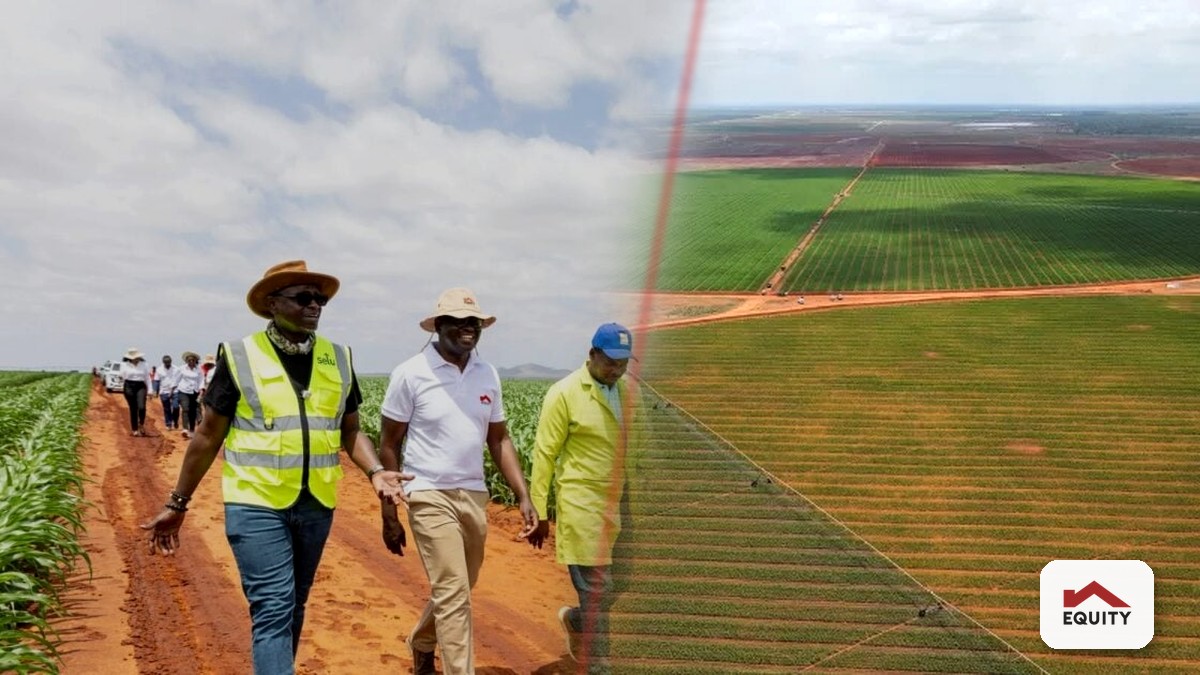
Equity Bank backs Sh13bn Galana-Kulalu maize expansion as Selu reports yields of 35 bags an acre

Digital farm advice reaching 8.5 million smallholders at risk as donor money dries up, AgriFin forum warns
Muhoroni, Chemelil cane farmers reject Ichung'wah's Crops Bill, say new KADCO lender will bring back cartels

Kenya imports 60% of its potato products, Kagwe tells World Potato Congress as he courts processors
Global Community Remarks
0