
Digital farm advice reaching 8.5 million smallholders at risk as donor money dries up, AgriFin forum warns

Digital services that send weather alerts, farming advice and loans to millions of smallholder farmers could falter as donor funding tightens. Stakeholders at a Nairobi forum have urged the services to find ways to pay for themselves.
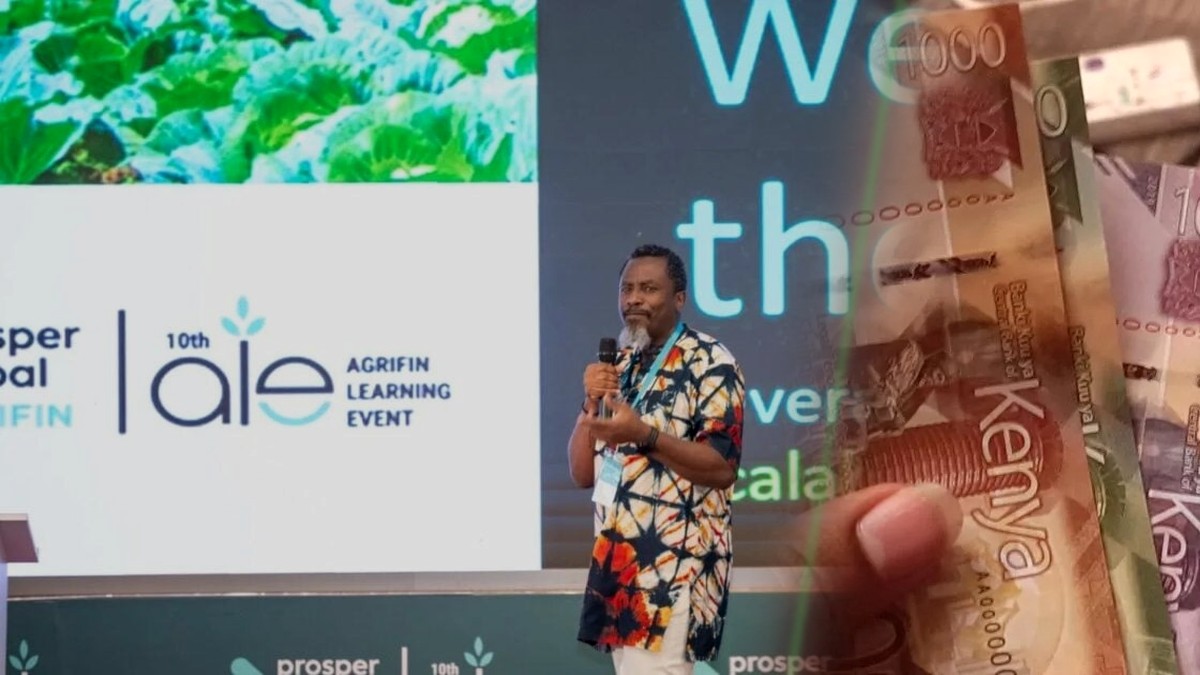
The warning came on Tuesday at the 10th AgriFin Learning Event, hosted by Prosper Global AgriFin, formerly Mercy Corps AgriFin. The theme was "Leveraging Evidence for Connected, Scalable and Inclusive Digital Agriculture".
Reach beats the target
Programme director Sieka Gatabaki said the organisation's digital information services now reach more than 8.5 million smallholder farmers, against an initial target of five million, and that 41 per cent of them are women.
The programme grew out of a 2015 initiative backed by about US$25 million (Sh3.25 billion) from the Mastercard Foundation to speed up digital farm innovation in Kenya, Tanzania and Zambia. AgriFin itself began in 2012 by testing how mobile phones could improve farmers' access to information and financial services.
Of the more than 20 million farmers reached through wider programmes, fewer than 10 per cent are estimated to use artificial intelligence tools directly.
Grants giving way to debt
Jasmina Lipovic, Prosper Global AgriFin's global finance operations and compliance director, said the organisation is working in "a more constrained funding environment". She said it is adjusting its operations and diversifying where its money comes from.
Speakers said funders are moving from outright grants to repayable grants, debt and equity, and that development finance institutions are offering smaller amounts.
The International Finance Corporation estimates the financing gap for agricultural small businesses and smallholders in sub-Saharan Africa at about US$117 billion (Sh15.2 trillion).
What farmers need
Participants said high rural delivery costs, unpredictable weather, weak infrastructure and volatile markets keep investors away from smallholder farming. Lenders also struggle to judge farmers' credit risk.
Gatabaki said digital tools can ease some of those problems through forecasts, agronomic advice and financial products. He warned that climate change is making planning and recovery harder, especially for farmers in remote areas.
Elias Nure, the organisation's global digital climate-smart agriculture director, said public-private partnerships could make farm information more widely available. "There is a tremendous amount of work that still needs to be done," he said.
Speakers urged governments, banks, technology firms and development partners to share the cost of delivering these services. They suggested public-private partnerships, domestic financing and blended funding to reduce reliance on foreign grants. They also said funding decisions should weigh whether farmers find a service useful and can afford to keep using it, not just how many people it reaches.
Innovation ecosystem leader Sheena Raikundalia called for investment in the links between finance, infrastructure, technology and markets, rather than in each one separately. The organisation says it is also exploring ways to cover the cost of running AI services without passing it on to farmers.
Photos: Capital FM (AgriFin Learning Event); The Star (Kenyan banknotes). Thumbnail design: HAMASTA MEDIA.

Tell your story on screen.
Commercials, documentaries, interviews and social video, from script to final cut.





More in Business
See all
Why a litre of petrol costs Sh227: inside Kenya's fuel price squeeze

Kenya's Sh13.48 trillion debt: Where the money goes and what it costs you
Equity Bank backs Sh13bn Galana-Kulalu maize expansion as Selu reports yields of 35 bags an acre
Muhoroni, Chemelil cane farmers reject Ichung'wah's Crops Bill, say new KADCO lender will bring back cartels

Kenya imports 60% of its potato products, Kagwe tells World Potato Congress as he courts processors
Tea Board stops collecting 0.8% export levy after Machakos court suspends new tea rules
Global Community Remarks
0