
Kenya imports 60% of its potato products, Kagwe tells World Potato Congress as he courts processors

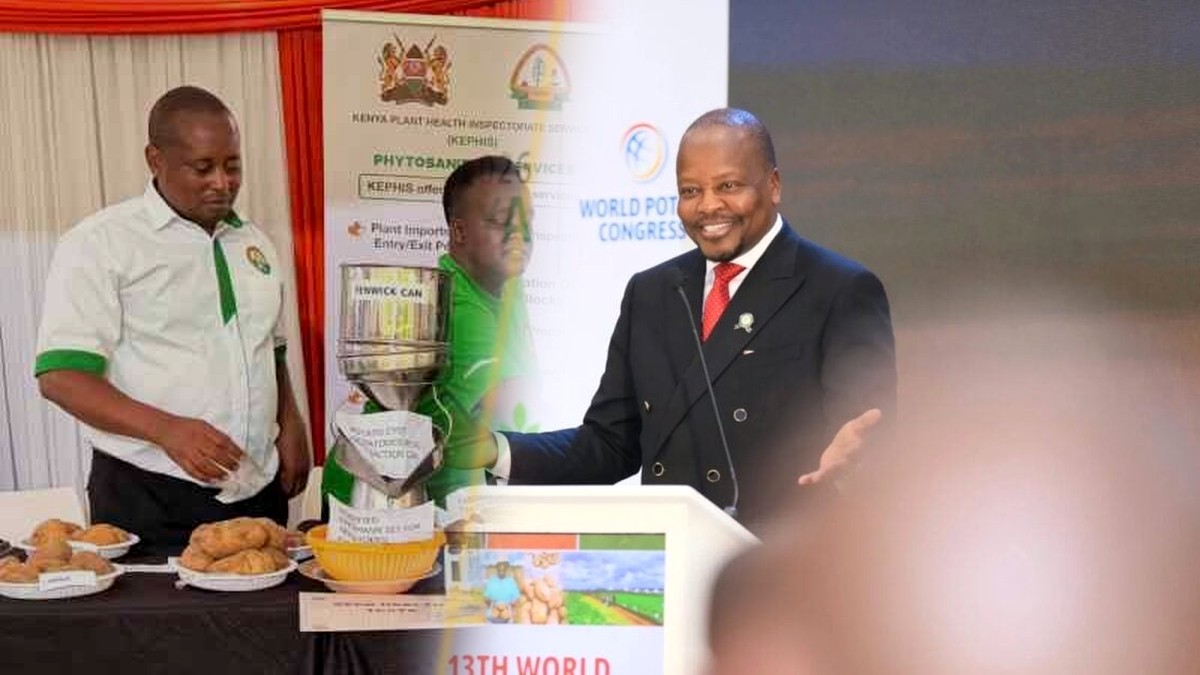
Agriculture Cabinet Secretary Mutahi Kagwe has asked investors to build potato processing plants and lease idle public land for commercial farming. He says Kenya still relies on imports for most of the processed potato products it consumes.
Kagwe was speaking on Tuesday as he opened the 13th World Potato Congress, which runs from October 26 to 30. The congress has drawn about 1,000 delegates from 67 countries, beating organisers' target of 600 participants from 60 countries. It is the first edition held in sub-Saharan Africa.
A 60 per cent import gap
The CS cited estimates showing that local producers meet about 40 per cent of the market, while imports supply the other 60 per cent. He urged investors to close the gap with processing facilities and stronger links between farmers and big buyers such as hotels, restaurants and fast-food chains.
"A food secure, healthier, prosperous farmer is also, in my considered view, a prerequisite for a safer, stable and productive society," Kagwe told delegates.
He described the potato as Kenya's second most important food and cash crop. Citing the Kenya National Bureau of Statistics' National Agriculture Production Report 2025, he said farmers harvested about 2.2 million tonnes in 2024, worth Sh72.5 billion. That was down from about 2.3 million tonnes in 2023. He blamed the drop partly on failed short rains followed by excessive long rains, which encouraged fungal diseases such as late blight.
Idle land and dams
Kagwe used the forum to promote the government's Land Commercialisation Initiative, which leases unused public land to private investors on long terms for farming. He invited investors to develop such land through irrigation, modern technology and value addition.
He also restated the State's irrigation plans of 50 mega dams, 200 medium-sized dams and 1,000 water pans and reservoirs. The aim is to reduce farmers' dependence on erratic rainfall.
New varieties in the pipeline
On research, the CS pointed to work by the Kenya Agricultural and Livestock Research Organization (KALRO) and the International Potato Center on a biotech version of the popular Shangi variety. It carries three late-blight resistance genes and showed complete resistance to the disease in field trials, though it still requires regulatory approval.
He also cited Clone IG-70, a drought- and blight-tolerant variety bred at KALRO's Potato Research Centre in Tigoni, which he said is nearing final verification. A new KALRO potato sub-centre at Marindas in Kuresoi North, Nakuru County, commissioned three months ago, is expected to widen access to certified seed.
The government says it will also tighten seed inspection and certification through the Kenya Plant Health Inspectorate Service (KEPHIS) and improve storage to cut post-harvest losses.
Field day in Mau Narok
Congress delegates are set to join more than 1,500 farmers at a field day in Mau Narok on Thursday, where seed companies and technology providers will show their varieties and machinery.
Photos: Capital FM (CS Mutahi Kagwe); The Standard (KEPHIS stand). Thumbnail design: HAMASTA MEDIA.

Tell your story on screen.
Commercials, documentaries, interviews and social video, from script to final cut.





More in Business
See all
Why a litre of petrol costs Sh227: inside Kenya's fuel price squeeze

Kenya's Sh13.48 trillion debt: Where the money goes and what it costs you
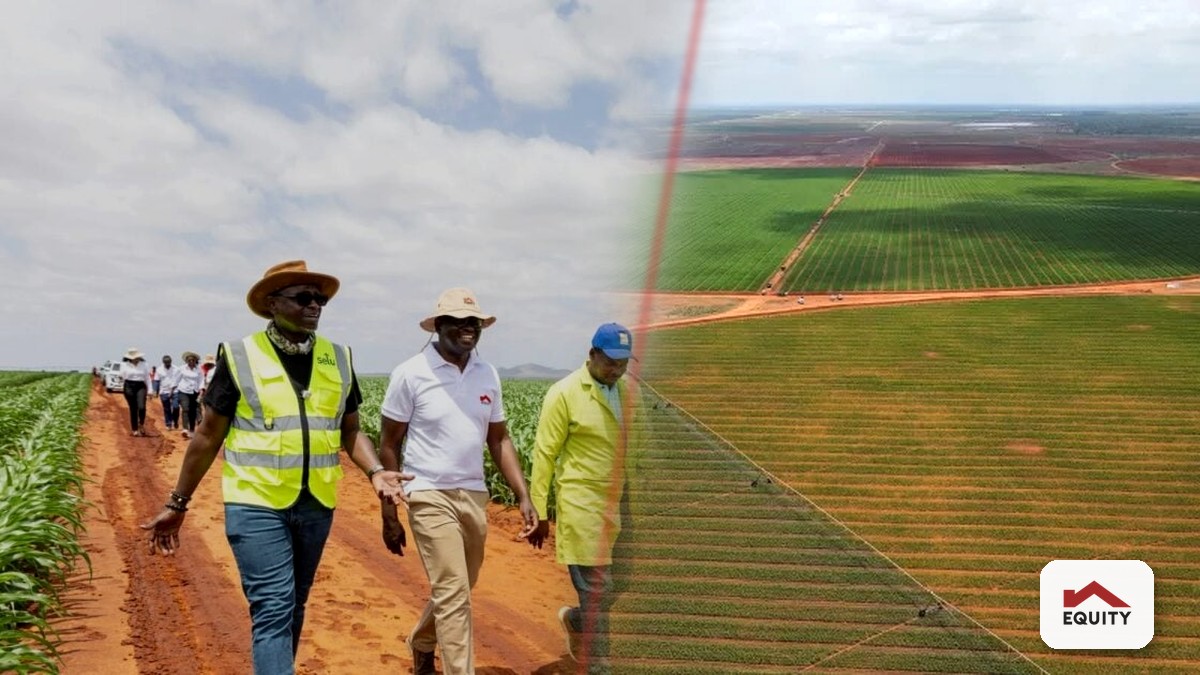
Equity Bank backs Sh13bn Galana-Kulalu maize expansion as Selu reports yields of 35 bags an acre
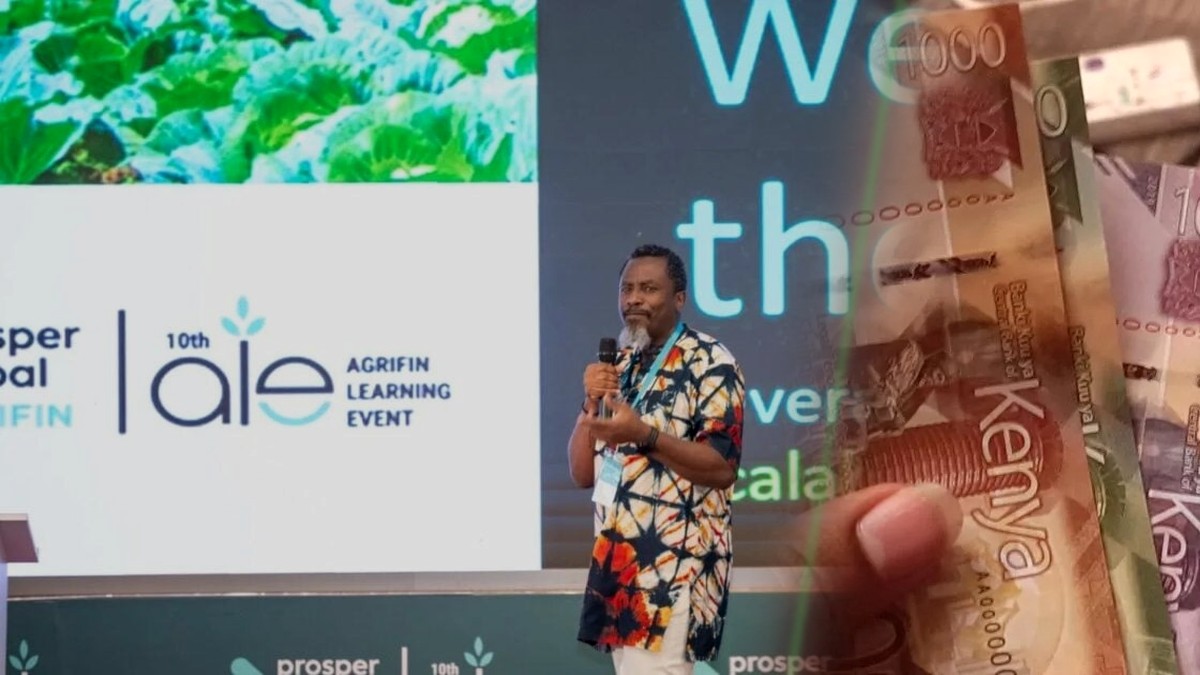
Digital farm advice reaching 8.5 million smallholders at risk as donor money dries up, AgriFin forum warns
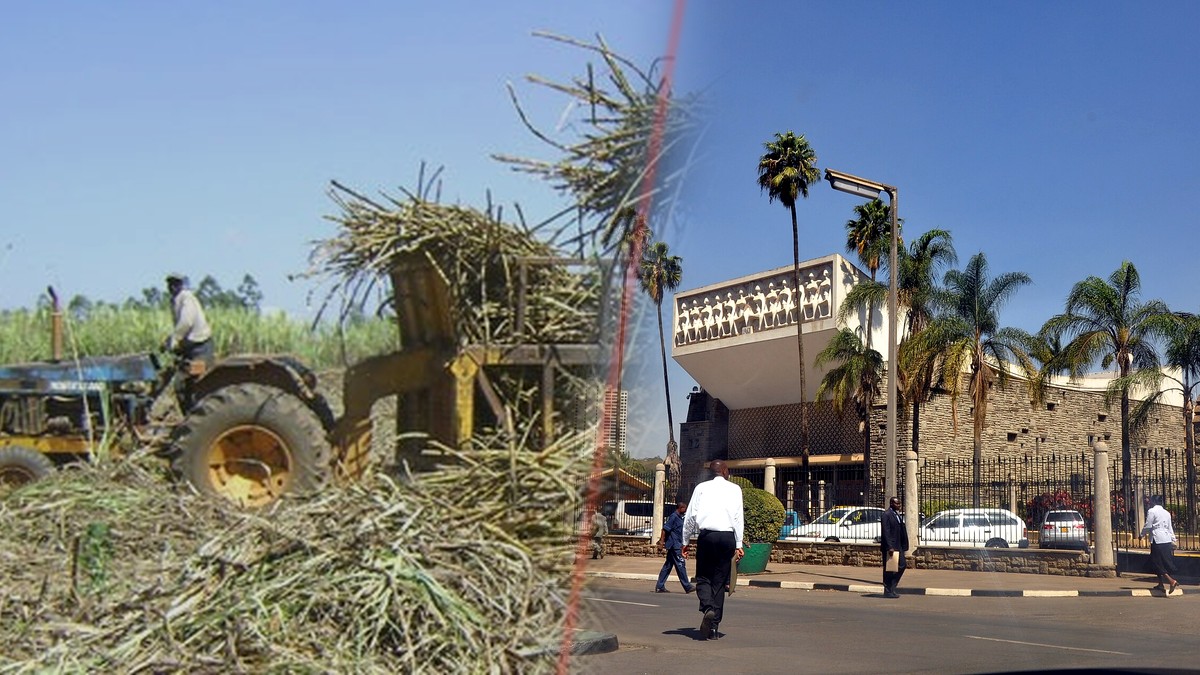
Muhoroni, Chemelil cane farmers reject Ichung'wah's Crops Bill, say new KADCO lender will bring back cartels
Tea Board stops collecting 0.8% export levy after Machakos court suspends new tea rules
Global Community Remarks
0