
KenGen secures Sh91.8m grant to study 200MW Marsabit wind power plant
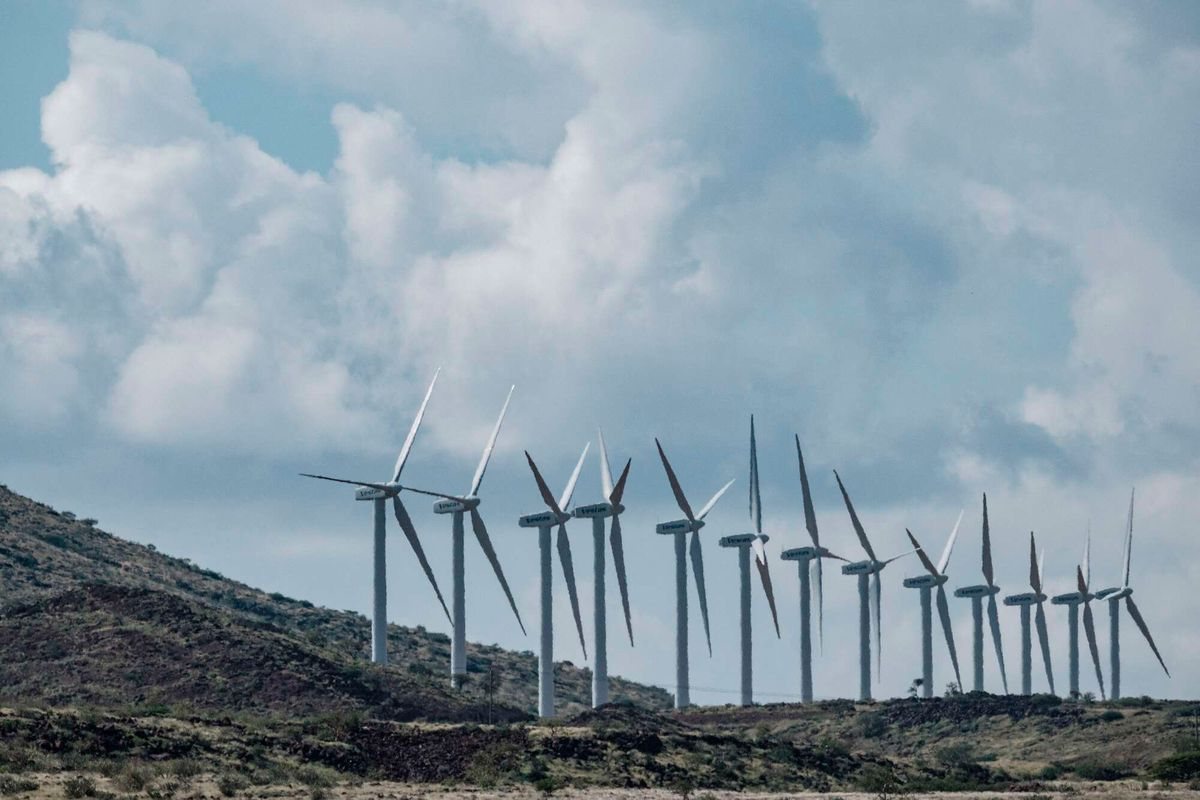
Kenya Electricity Generating Company (KenGen) has received a grant of 642,898 euros (about Sh91.8 million) to fund feasibility studies for a new wind power plant in Marsabit County, according to Business Daily.
The money came from the Agence Française de Développement (AFD), the French development agency. The studies are meant to establish whether the project is commercially viable.
The plant is planned to generate 200 megawatts (MW) in its first phase. At that size, it would share fifth place among Africa's largest wind farms with Morocco's Akhfenir Wind Farm, the report says. KenGen intends to expand the plant in later phases, which could lift it higher up the continental rankings.
Grant disclosed in annual report
KenGen revealed the funding in its annual report, which lists the Marsabit wind feasibility study among grants from donors whose funds were paid directly to consultants rather than to the company.
How Africa's wind farms compare
According to Business Daily, the continent's largest wind installations are:
- Lake Turkana Wind Power, Marsabit, Kenya – 310 MW
- Tarfaya Wind Farm, Morocco – 301 MW
- Ras Ghareb Wind Farm, Egypt – 262.5 MW
- Adama I and II Wind Farms, Ethiopia – 204 MW
- Akhfenir Wind Farm, Morocco – 200 MW
Kenya already hosts the biggest of these at Lake Turkana, also in Marsabit County. KenGen's only wind facility at present is the 25.5 MW Ngong wind farm. Together, Ngong and Lake Turkana supplied 1,859 gigawatt-hours (GWh) of electricity to Kenya Power in the year ended June 2025.
A supply squeeze
The Marsabit project comes as Kenya faces an electricity generation shortfall that has increased dependence on imports from Ethiopia and led to power rationing in some areas during peak demand.
Business Daily attributes the crunch largely to a freeze on new Power Purchase Agreements (PPAs), which stopped Kenya Power from signing up new generators. The freeze was lifted this year, but in the meantime the utility had to lean more heavily on Ethiopian supply.
Imports from Ethiopia reached 1,577.66 GWh in the year to June, a 366.7 per cent jump from the 338 GWh imported in the year to June 2022, the report says. Kenya Power holds a 25-year PPA with Ethiopia Electric Power, which has provided relatively cheap hydropower that has helped avoid rationing, particularly in the evenings.
Even so, Kenya Power has in recent years cut supply to some areas to stop demand from outstripping available generation and causing a grid collapse.
Thin safety margin
The grid's spinning reserves, the spare generation capacity kept available above demand, were below 3.3 per cent in June this year, according to Business Daily. That is well short of the internationally accepted range of 20 to 35 per cent.
Low reserves raise the risk of blackouts because the system cannot absorb sudden spikes in demand, which can trigger a collapse of the grid.
KenGen remains the dominant supplier to the national grid. It accounted for 57.2 per cent of the electricity bought by Kenya Power, or 8,975 GWh, in its most recent financial year, the report says.
No timeline for the completion of the feasibility studies or the start of construction was given in the report.
This story was prepared by the Hamasta Newsdesk with AI assistance, based on reporting by Business Daily. Read the original report. Photo: Business Daily.


Take your event live to thousands.
Multi-camera live streams, panel discussions and digital broadcasts with professional crews.




More in Business
See all
Vehicle Registrations Climb for Second Month as NTSA Tightens Road Crackdown
Nairobi–Thika highway motorists could pay tolls under proposed Sh100bn PPP road deal
EU air safety list keeps 12 African countries under flight bans, Tanzania tops list
SGR Passenger Numbers Fall 28 Per Cent in September as Revenue Drops by Ksh113m
PBO Proposes Three-Year Plan for Counties to Clear Ksh172.5bn Owed to Suppliers

Global Community Remarks
0