
PBO Proposes Three-Year Plan for Counties to Clear Ksh172.5bn Owed to Suppliers
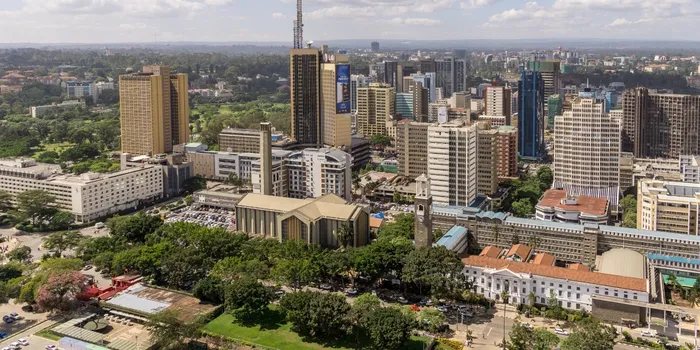
County governments would be required to clear Ksh172.5 billion in unpaid bills owed to suppliers and contractors by 2030 under a three-year repayment plan proposed by the Parliamentary Budget Office (PBO), according to Kenyans.co.ke.
The plan is set out in the PBO's first County Fiscal Policy Perspectives for the 2027/2028 financial year, released on Tuesday, November 17. It forms part of wider efforts to tighten financial management as concern over the country's debt grows.
The document, which Kenyans.co.ke reviewed, calls for a phased payment of outstanding sums to suppliers, contractors and other businesses. It pairs this with measures meant to stop counties from building up fresh arrears. The PBO describes the arrangement as a programme to wipe out county trade payables "while preventing the creation of new obligations".
Bills nearly doubled in five years
The PBO's assessment puts county pending bills at Ksh172.5 billion as of June 2026. That figure is close to double the level recorded at the end of the 2020/2021 financial year.
Many businesses have been waiting a long time for their money. About Ksh71.7 billion, or 41 per cent of the total, had gone unpaid for more than three years. A further Ksh46.7 billion was added in the 2025/2026 financial year alone.
How the repayment would work
The proposed schedule would run over three financial years:
- FY 2027/2028: Counties would focus on clearing outstanding bills of up to Ksh1 billion owed to suppliers and contractors. Small and medium-sized enterprises and small contractors would be paid first.
- FY 2028/2029: Counties with larger debts would pay the next Ksh1 billion or settle whatever eligible balances remain.
- FY 2029/2030: The final phase would target all remaining amounts above Ksh2 billion.
The PBO says county administrations should pay what they owe suppliers and contractors before spending their revenue on other items. It says this is in line with the Public Finance Management (County Governments) Regulations, 2015.
The office also wants money for the exercise set aside in County Integrated Development Plans and Annual Development Plans. It recommends stricter controls on new financial commitments to support the plan.
Special arrangement for Nairobi
Nairobi City County has been singled out for a separate intervention. Its pending bills stand at Ksh86.9 billion, or 50.4 per cent of the national total.
Under the proposal, the national government could put in Ksh1 for every Ksh2 the county pays. Alternatively, it could match Nairobi's payments shilling for shilling.
That support would come with conditions. Nairobi would have to show better revenue collection and stronger management practices. It would also have to commit to stopping any further build-up of unpaid bills.
Impact on businesses
The PBO warned that growing county arrears are squeezing suppliers' cash flow and eroding business confidence. It said they are also limiting the economic gains expected from larger transfers to devolved governments.
The proposal comes as pending bills remain a problem across government more broadly. In October, the Ministry of Roads and Transport reported owing contractors Ksh98.17 billion as of June. The ministry has continued to fund new and ongoing infrastructure projects.
This story was prepared by the Hamasta Newsdesk with AI assistance, based on reporting by Kenyans.co.ke. Read the original report. Photo: Kenyans.co.ke.




Show the impact of your work.
Impact stories, campaign videos and community engagement for NGOs and programmes.

More in Business
See all
KRA explains how factories can issue eTIMS invoices on behalf of small-scale farmers
Oparanya urges Kisii, Nyamira cooperatives to tap climate finance to cut costs
Jambojet cuts fuel costs by 16% using flight data and single-engine taxiing
Stanbic Bank Kenya nine-month profit rises 10pc to Sh10.32bn
US-Linked Consortium Picked for Ksh8 Trillion Mrima Hill Project as Joho Sets Conditions
.jpeg)
Global Community Remarks
0