
KRA asks farmers selling to factories to use eTIMS reverse invoicing
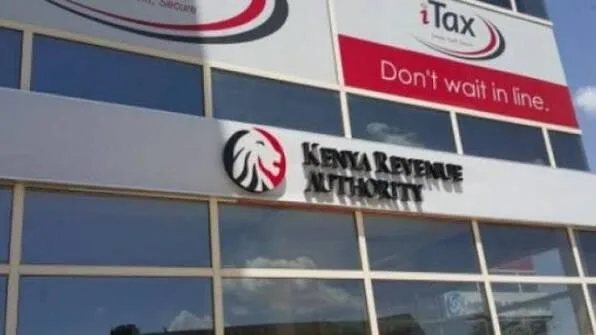
The Kenya Revenue Authority (KRA) is asking farmers who sell agricultural produce to factories and other businesses to embrace reverse invoicing on its electronic tax invoicing platform. Under this method, the buyer generates the tax invoice on the supplier's behalf.
According to Capital FM Business, the arrangement targets small-scale farmers who may not have the technical know-how or resources to run electronic invoicing systems themselves. It also aims to make sure farm transactions are properly recorded.
How reverse invoicing works
Through the Electronic Tax Invoice Management System (eTIMS), a business buying produce can raise an invoice for the farmer. That record then gives the buyer the documentation it needs to back up its expense claims.
George Obell, KRA's Commissioner for Micro and Small Taxpayers, said the system would solve documentation problems for businesses that buy directly from farmers. He said it allows a purchasing business "to support its expense claims with the requisite documentation".
Obell advised farmers who run into problems with the process to get help at KRA offices or through the Authority's official communication channels.
Integration and reconciliation challenges
The call comes as businesses and suppliers continue to adjust to electronic invoicing rules. KRA has acknowledged operational difficulties caused by linking eTIMS with accounting software and other institutional systems.
The Authority said some taxpayers had found inconsistencies when reconciling invoices. Most of these involved transactions processed before the system integrations were finished.
KRA said it was working to improve links between eTIMS, the iTax platform and other government systems. The goal is to give better visibility of transactions and reduce reconciliation problems.
VAT refund delays questioned
These concerns came up at a KRA Citizen Assembly held at Murang'a University on November 17. Taxpayers and businesses at the meeting also raised delays in Value Added Tax (VAT) refunds.
In response, KRA said it can currently process about Sh3 billion in legitimate VAT refund claims every month. It said validation checks remain in place to stop fraudulent claims.
The Authority added that its Green Channel validation mechanism has cut processing time for qualifying refund applications to about five days.
However, KRA said all refund claims must still be verified to protect public revenue. It said faster payments have to be balanced against safeguards against fraud.
Tax education in schools
Separately, KRA Board Chairman Ndiritu Muriithi said the Authority was widening its taxpayer education efforts in schools, colleges and universities.
He said taxation content has been added to the school curriculum from Grade One to Grade Nine. This was done together with the Kenya Institute of Curriculum Development. Other programmes target university students, young people and small businesses.
The Murang'a session is part of KRA's countrywide Citizen Assembly programme. The programme gives taxpayers a forum to raise concerns about tax administration and to engage the Authority on compliance requirements.
This story was prepared by the Hamasta Newsdesk with AI assistance, based on reporting by Capital FM Business. Read the original report. Photo: Capital FM Business.




Show the impact of your work.
Impact stories, campaign videos and community engagement for NGOs and programmes.

More in Business
See all
SGR Passenger Numbers Fall 28 Per Cent in September as Revenue Drops by Ksh113m

PBO Proposes Three-Year Plan for Counties to Clear Ksh172.5bn Owed to Suppliers

Motorists Stranded for Hours as Gridlock Paralyses Nairobi-Mombasa Highway at Tsavo

Kenya Signs Ksh90bn Deal with Greek Firm for Floating LNG Power Plant in Mombasa

Mbadi Rules Out Cancelling CRBC Contracts After World Bank Flags SGR Costs
Global Community Remarks
0