
Nairobi–Thika highway motorists could pay tolls under proposed Sh100bn PPP road deal
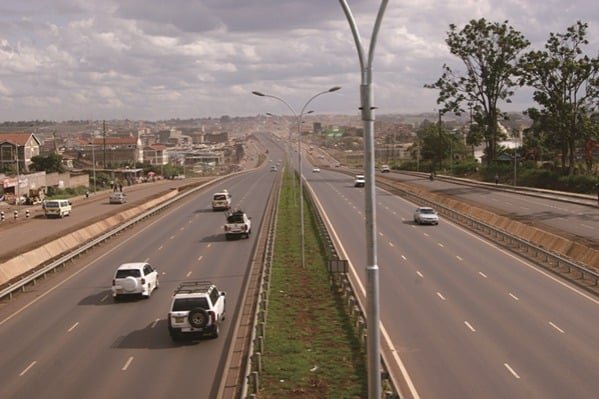
Motorists on the Nairobi–Thika–Juja–Kenol–Sagana–Marua highway may in future have to pay to use the road, after the National Treasury listed it among proposed Public-Private Partnership (PPP) projects to be financed by private investors and recovered through tolls, according to Capital FM Business.
The project is valued at about Sh100 billion and would run under a proposed 30-year contract. The Government is aiming to reach financial close in the 2028/29 financial year, which begins in July 2028.
User-pay model
The 2027 Budget Policy Statement describes the highway as a user-pay investment. Under this arrangement, the private investor would collect toll revenue from road users as its main source of income, and would carry the commercial and demand risks of the venture.
The Treasury explains that in such projects there is no payment from the Government. In its words, the private party takes on the risks and there is "no Government payment or contingent liability to Government."
However, the policy document also attaches an estimated cumulative maximum contingent liability exposure of Sh120 billion to the project for both the 2028/29 and 2029/30 financial years. Capital FM Business notes that this figure is a projected fiscal risk, not a confirmed payment by the State, and not the amount motorists will be charged.
Key details still missing
The Treasury has not said how much motorists will pay, where toll points will be located or when charging will begin. The project is still awaiting approval, and the targeted financial close depends on the required approvals and the completion of contract arrangements.
The Treasury says PPP projects will be assessed for affordability, value for money and any financial obligations that could arise from their contracts.
Growing reliance on tolled roads
The proposal adds the Thika corridor to a widening list of Kenyan infrastructure projects designed to recoup private investment through direct charges on users, rather than relying wholly on taxpayer-funded construction.
The Nairobi Expressway already operates on a similar toll-based model. Other roads in the pipeline include the Mombasa Northern Bypass, also proposed as a toll-funded road, and the Nairobi Southern Bypass, whose proposed arrangement covers operation, maintenance and tolling.
In the budget document, the Treasury maintains that PPPs remain an important way of bringing private capital, expertise and innovation into the delivery of public infrastructure and services.
Affordability concerns
The prospect of tolls on the busy corridor is likely to raise questions over costs for daily commuters, public service vehicle operators and businesses moving goods along the route, Capital FM Business reports.
The highway links Nairobi with Thika, Juja and onward towns including Kenol, Sagana and Marua, making it a key route for both passenger traffic and freight.
Until the Treasury publishes toll rates and a clear timeline, it remains unclear how the charges would affect road users once the arrangement takes effect.
This story was prepared by the Hamasta Newsdesk with AI assistance, based on reporting by Capital FM Business. Read the original report. Photo: Capital FM Business.


Grow an audience that listens.
Social media management, digital campaigns and online storytelling that converts.



More in Business
See all
Vehicle Registrations Climb for Second Month as NTSA Tightens Road Crackdown
EU air safety list keeps 12 African countries under flight bans, Tanzania tops list
SGR Passenger Numbers Fall 28 Per Cent in September as Revenue Drops by Ksh113m
PBO Proposes Three-Year Plan for Counties to Clear Ksh172.5bn Owed to Suppliers
KRA asks farmers selling to factories to use eTIMS reverse invoicing

Global Community Remarks
0